
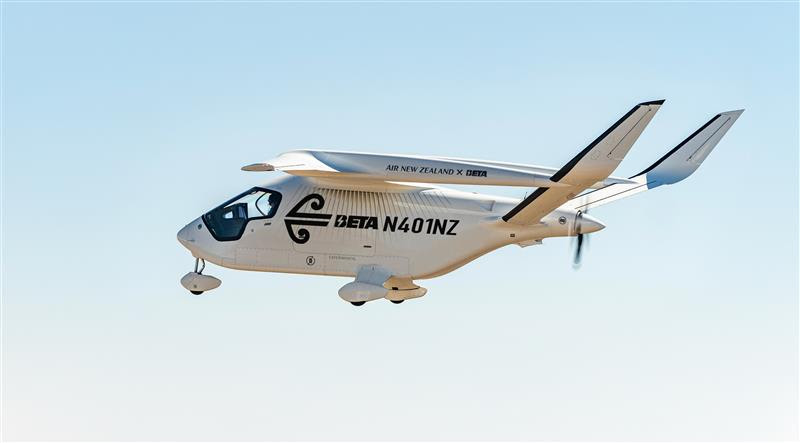

Electric Aviation Takes Flight
The aviation industry is evolving rapidly as environmental concerns steer innovations toward more sustainable modes of travel. Air New Zealand has introduced an electric aircraft, marking a significant step in the journey to greener skies and reshaping how the world approaches air transportation.
Breaking New Ground in Green Aviation
This cutting-edge electric plane is more than a prototype; it symbolizes the airline industry's commitment to reducing carbon footprints. By moving away from traditional fossil fuels, electric propulsion presents a promising way to minimize environmental impact, reduce noise pollution, and potentially lower operational costs.
Why Electric Matters for Aviation
Traditional aircraft engines are notorious for high fuel consumption and emissions, contributing significantly to global pollution levels. Electric aircraft use energy stored in batteries or other sustainable energy sources, making flights cleaner and quieter. Although still in early stages, the technology is rapidly improving and could revolutionize short-haul flights and regional travel, which account for a considerable portion of global air traffic.
Electric Planes and the Future of Travel Transfers
While electric aircraft innovate the skies, the ripple effects reach ground transportation as well. Travelers increasingly seek seamless, environmentally conscious journeys. This growing demand influences taxi and transfer services, which complement air travel in every city and destination.
Understanding these changes can help savvy travelers plan their journeys with sustainability in mind. Companies offering private transfers are now incorporating electric and hybrid vehicles, aligning their services with passengers’ greener expectations.
Impact on Airport Transfers and City Taxi Services
Electric aircraft's introduction potentially lowers airport emissions, which, paired with greener vehicles on the ground, contributes to cleaner airport environments and urban areas. Forward-thinking transfer companies are already adapting by integrating electric cars and offering transparent price and service options to conscious travelers.
| Aspect | Traditional Aviation | Electric Aviation |
|---|---|---|
| Fuel | Jet fuel (fossil-based) | Electric batteries/sustainable sources |
| Emissions | High CO2 and pollutants | Zero emissions during flight |
| Noise | High noise pollution | Significantly quieter flights |
| Range and Usage | Long and short-haul possible | Primarily short-haul and regional for now |
Challenges Remaining in Electric Aviation
Despite exciting progress, challenges such as limited battery capacity, weight considerations, and infrastructure for charging remain. These factors currently limit electric aircraft to shorter distances and smaller passenger capacities compared to traditional models like the Boeing 747 or Airbus A320.
However, continuous advancements aim to overcome these hurdles, and airlines like Air New Zealand leading the charge reflect a shift in priorities that balances growth with responsibility.
Why Travelers Should Mind These Developments
As the aviation sector greets this electric revolution, travelers can expect evolving services not only in the air but on the ground too. With platforms like LocalsRide.com, passengers can select transfer services that match their eco-values while enjoying the flexibility to choose vehicle types, see detailed profiles including driver ratings, and ensure transparent, affordable fares.
Electric Aircraft: A Milestone and Its Broader Impact
This electric aircraft milestone signals the beginning of a new chapter for sustainable travel — one that could reshape how airlines, airports, and local transportation companies operate worldwide.
From the airport taxi to the limousine waiting at the terminal, green technology adoption is expected to gradually transform the entire travel experience. These shifts promise reduced carbon footprints, quieter urban environments, and more efficient use of resources, all while maintaining comfort and convenience.
Key Highlights of This Sustainable Leap
- Electric planes reduce emissions, helping combat climate change.
- They can operate quietly, benefiting communities near airports.
- Innovation in electric aircraft drives demand for eco-friendly ground transfers.
- Promotes integration of electric vehicles in taxi and transfer services.
Yet, no matter the data or reviews, personal experience holds the ultimate truth. On LocalsRide, travelers can hire cars with drivers from verified providers at fair prices, allowing them to navigate their trips with confidence. The platform offers convenience, broad vehicle choices—including electric and hybrid models—and a wide range of additional options to fit different needs. This transparency and user control are unmatched by traditional aggregators, ensuring no surprises in fares or service quality.
Get the best offers LocalsRide.com
Conclusion: What the Future Holds
Air New Zealand’s electric aircraft marks an exciting innovation in sustainable travel, promising lower environmental impact and a quieter, cleaner flying experience. Though this is just the beginning, the ripple effects extend to how transfers and taxi services at airports evolve, encouraging greener options on the ground to match the sky’s revolution.
In a world where seamless, eco-friendly travel is becoming a priority, platforms like LocalsRide.com bring the future within reach. They allow travelers to book precise services by vehicle type, compare prices, and benefit from verified drivers worldwide, uniting convenience with sustainability effortlessly. Whether at the airport or in the city, such services offer a smart way to enjoy every leg of the journey.