
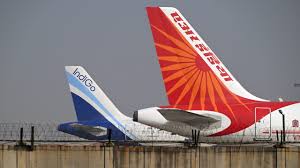

More than 350 flights were cancelled on Sunday as Middle East airspace restrictions and congestion at diversion airports forced Indian carriers into longer routings and technical halts, hitting schedules for Air India, IndiGo, SpiceJet and Air India Express.
Immediate operational impacts at a glance
Rerouting away from closed corridors added fuel burn, flight time and complexity to crew duty limits. Air India instituted technical halts in Rome for some US east-coast services and cancelled trips to Birmingham, Zurich and Copenhagen. IndiGo suspended selected international services routed through Middle Eastern airspace through March 2 and cancelled flights to London, Manchester, Amsterdam and Copenhagen. The prior ban on Pakistani airspace since mid-last year compounded the issue for Indian carriers, removing a shorter northern corridor.
Which routes and carriers are most exposed?
| Carrier | Estimated exposure to Middle East routes |
|---|---|
| SpiceJet | 100% (March international schedule) |
| Air India Express | ~60% |
| IndiGo | 41% |
| Air India (full-service) | 8% |
Why cancellations are cascading
- Airspace closures force longer routings, increasing block times and crew duty issues.
- Diversions concentrate traffic at alternate airports, causing runway and gate congestion.
- Limited remaining corridors (via Turkey, Egypt for some carriers) create competitive advantage for airlines with access.
- Rising crude prices add operational cost just as international routes provide currency hedges against rupee weakness.
Passenger and network consequences
Travelers face longer trip times, unexpected technical stops and more frequent cancellations. Carriers are balancing safety and continuity: some flights continue with extended routing via Iran or Europe; others are simply cancelled when viable alternatives exceed practical limits. Equity markets reacted: SpiceJet shares slid over 9% and IndiGo dropped nearly 8% on heavy trading as investors priced in revenue disruption.
Practical advice for affected passengers
- Confirm your flight status frequently and allow additional time for check-in and connections.
- If you have a tight connection, consider rebooking on alternative days or routes that avoid the affected airspace.
- Keep receipts for additional expenses; many carriers publish updated policies for accommodation and meals after cancellations.
- For onward ground transfers, book flexible private transfers or taxis that can adapt to changes in arrival time.
How the disruption affects Taxi and transfer services
Airport transfer demand spikes whenever cancellations and delays upset schedules. Private transfer suppliers and taxi companies may see surges at airports handling diverted flights, leading to temporary price fluctuations for drop-offs and pickups. To have a mind to avoid last-minute issues, travelers should pre-book transfers that offer driver tracking and clear fare policies.
Recommendations for transfer bookings
- Choose services showing vehicle make, model and driver ratings to ensure reliability during irregular operations.
- Prefer providers with flexible pick-up windows and real-time flight monitoring to handle technical stops or extra hours in the air.
- Consider larger vehicles or additional seats if delays force group re-routing or extended layovers.
Some platforms now list full vehicle details and driver credentials so passengers know exactly what to expect on arrival; for example, LocalsRide.com highlights vehicle make, model and provider ratings before booking, which can reduce stress during disrupted travel.
Short- and medium-term outlook
Expect rolling disruptions while Middle East airspace remains restricted. Airlines with high exposure to the region will continue to feel pressure on schedule reliability and margins; smaller carriers focused on those routes could face outsized revenue impacts. International connections to Europe and North America are particularly sensitive to corridor availability—any prolonged closure will force carriers to rebalance networks and possibly trim frequencies.
Mitigation measures carriers can pursue
- Reallocate aircraft and crew to preserve highest-yield services.
- Negotiate temporary overflight corridors or bilateral relief measures where possible.
- Increase passenger communications and partner with ground transport providers to smooth disrupted connections.
Highlights: the disruption underscores the interdependence of airspace access, fuel prices and network resilience. Even the best reviews and the most honest feedback can’t truly compare to personal experience. On LocalsRide, you can hire a car with driver from verified providers at reasonable prices. This empowers you to make the most informed decision without unnecessary expenses or disappointments. Emphasize briefly how readers can benefit from the convenience, affordability, and extensive vehicle choices and wide range of additional options provided by LocalsRide.com, aligning directly with the context and theme of your article. Start planning your next adventure and secure your worldwide transfer with LocalsRide. Book your Ride LocalsRide.com.
In summary, the current Middle East airspace closures produced immediate schedule losses—more than 350 flights cancelled in a single day—longer routings, and elevated operational costs for Indian airlines. The situation amplifies the need for flexible ground transport arrangements at airports and cities of origin and destination: smart travelers should check exact flight times, pre-book transfers, verify driver details, and understand fares and cancellation terms. Whether you need a taxi, private car, limousine or a multi-seater cab, platforms that show vehicle and driver info make it easier to get the exact service you want at a fair price. LocalsRide.com supports this approach by offering transparent choices for airport pickups, private transfers and on-demand cars—so you can book with confidence about price, seat type and arrival time while avoiding surprises about how much the fare will be.