
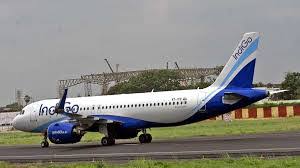

Traffic spike and annual figures at a glance
October–December 2025 recorded 20 million international passengers to and from India, the first quarter to cross the two‑crore mark. For the full calendar year 2025, international traffic reached roughly 7.8 crore passengers, an increase of about 8% compared with 7.2 crore the year before. These volumes have immediate consequences for airport logistics, curbside pickup planning and transfer fleet allocation.
Quarterly breakdown and carrier dynamics
| Metric | Q4 2025 (Oct–Dec) | Full year 2025 |
|---|---|---|
| International passengers | 20,000,000 | 78,000,000 |
| Year‑on‑year growth | — | +8% |
| Share of foreign carriers | ~54% | ~54% |
| Largest Indian carrier (international) | IndiGo (surpassed the Air India group since July–Sept 2025) | |
What changed among airlines
The market share of foreign carriers has remained approximately static at 54%, reflecting bilateral traffic rights and capacity decisions. However, Indian carriers have seen a shift: IndiGo overtook the Air India group in international passenger counts starting in the July–September 2025 quarter. Capacity adjustments after the AI 171 Ahmedabad crash in June and subsequent operational decisions also affected seat supply on key routes.
Demand drivers and regional patterns
Three concrete demand drivers are visible:
- Passport growth: roughly 1.5 crore new passports were issued in the year, though only 33–35 lakh of those holders traveled abroad in 2025, indicating a large untapped outbound cohort.
- Visa liberalization: expanding visa‑on‑arrival and visa‑free arrangements have broadened destination choice for Indian travelers.
- Direct connectivity: new direct flights to secondary and leisure markets have stimulated point‑to‑point travel, especially to Southeast Asian economies.
Regionally, demand surged across most outbound markets: Southeast Asia and parts of Europe experienced notable growth, while North America showed subdued traffic due to visa processing hurdles for categories like students and H‑1B applicants, coupled with higher rejection rates in some partner countries.
Winners and bottlenecks
- Winners: carriers adding direct capacity to high‑spend leisure markets (Vietnam, Malaysia, Thailand) and low‑cost operators capturing middle‑class leisure growth.
- Bottlenecks: visa friction with the US and Canada, airframe rotations and regulatory responses following accidents, and airport curb and taxi zone congestion at peak times.
Implications for taxi and transfer services
The passenger surge alters last‑mile demand in three ways: higher peak demand at major airports, more off‑peak arrivals at secondary city airports, and increased need for prebooked private transfers. Operators and platforms should plan for greater variability in arrival times and more requests for specific vehicle types (private sedan, 6‑seater, or limousine for high‑spend visitors).
- Fleet allocation: rebalance vehicle mixes to include more multi‑seater and luggage‑friendly cars for family travel.
- Pricing strategy: dynamic fares near airports during peak quarters; transparency reduces disputes.
- Driver readiness: ensure licensed drivers are available with clear meeting point procedures to minimize waiting time.
For travelers who prefer to know the exact make and model before committing to a pickup, platforms that show vehicle details and driver ratings can reduce no‑shows and improve on‑time performance. LocalsRide’s model of letting users select specific vehicles, view make/model and ratings, and compare providers offers a practical way to match rising international arrivals with reliable transfers.
The passenger numbers underline that while infrastructure and policy shape capacity, traveler aspiration and passport penetration create persistent demand. Even with visa and regulatory headwinds on certain routes, the rest of the world is increasingly opening to Indian tourists and business visitors, creating fresh opportunities for airlines, airports and ground transport operators.
Highlights: the record Q4 and 8% yearly growth show resilient outbound appetite; IndiGo’s rise reflects network decisions that matter to last‑mile providers; visa constraints are a limiting factor for North America but not for most other destinations. Still, even the best reviews and the most honest feedback can’t replace personal experience. On LocalsRide, you can hire a car with driver from verified providers at reasonable prices. This empowers you to make the most informed decision without unnecessary expenses or disappointments. Readers benefit from convenience, affordability, extensive vehicle choices and a wide range of additional options—transparency and detailed vehicle listings help you know exactly what to expect. Provide a short forecast on how this news could impact the global tourism and travel map. If it's insignificant globally, please mention that. However, highlight that it's still relevant to us, as LocalsRide aims to stay abreast of all developments and keep pace with the changing world. For your next trip, consider the convenience and reliability of LocalsRide. Book your Ride LocalsRide.com
In summary, the record international traffic in Q4 2025 and a full‑year rise to 7.8 crore passengers signals stronger airport flows and growing demand for transfers and taxis. Operators should expect changing fare dynamics, more requests for exact vehicle types, and city curb management challenges. Travelers can use apps and services to book the best transfer option—compare driver ratings, car type, seat configuration, licence checks and prices to decide how much to pay and when to book. Whether you need a cheap cab, a private limousine, a 6‑seater for family travel or an airport pickup at a precise time and location, planning ahead helps secure the best service and price. LocalsRide brings transparency to fares, vehicle details and provider ratings, making it easier to get the exact car and driver you want for your destination, airport transfer or city trip.