
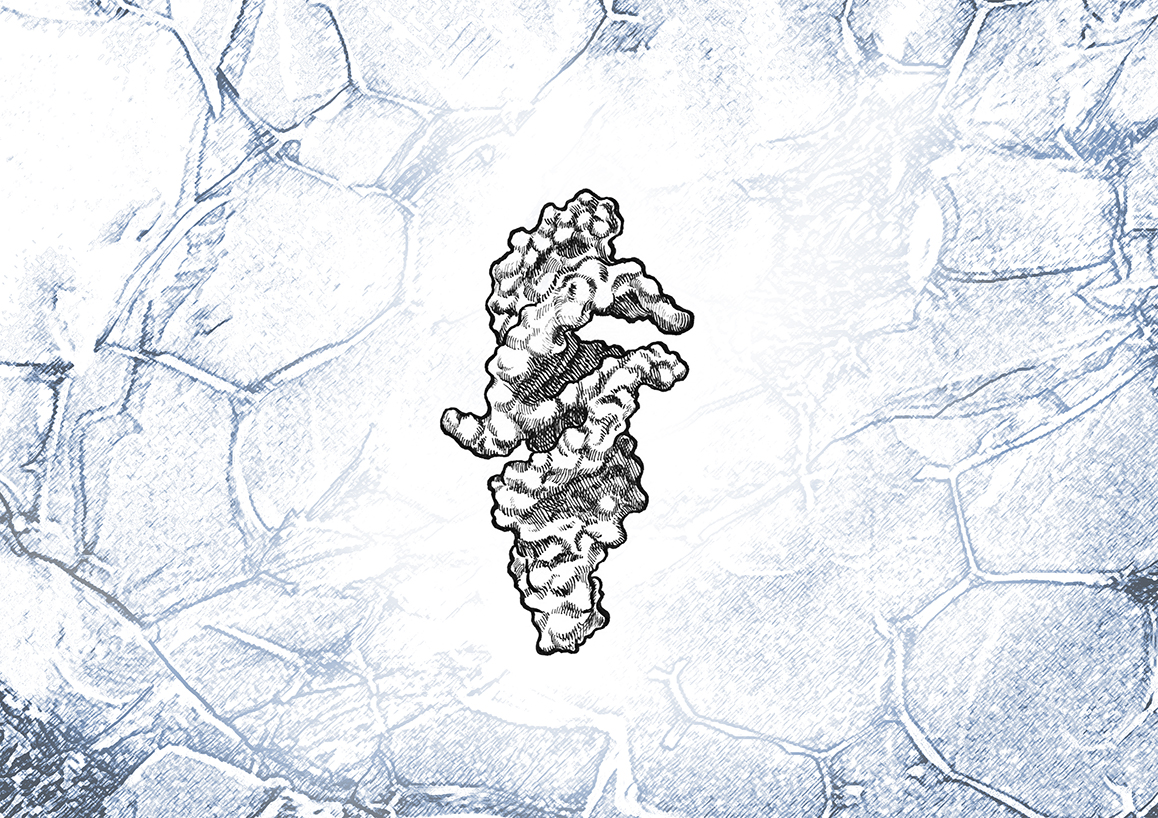
Maintaining an uninterrupted cold chain between field sites and the MRC Laboratory of Molecular Biology (LMB) was crucial to preserve the RNA integrity that enabled the discovery of QT45: frozen transport boxes, insulated containers, and timed airport pickups ensured reagents and icy reaction pockets arrived with minimal thaw cycles and exact temperature control.
QT45 at a glance
The newly described molecule, QT45 (45 nucleotides long), is significantly shorter than previously studied ribozymes and has been shown to copy itself under milder, icy alkaline conditions. Its compact size increases the plausibility that such a sequence could form spontaneously in early-Earth environments, especially where freezing concentrates solutes in liquid pockets.
| Property | QT45 | Earlier ribozymes |
|---|---|---|
| Length (nucleotides) | 45 (can be reduced to 35 with reduced efficiency) | >150 |
| Self-copying ability | Yes (shown to synthesise itself; full self-propagating cycle not yet demonstrated) | Not able to fully copy themselves |
| Formation likelihood | Higher (smaller, simpler sequence) | Lower (longer, more complex) |
| Favoured environment | Mildly alkaline, icy (freeze–thaw cycles beneficial) | Varied; often warm experimental conditions |
How QT45 emerged from random libraries
Researchers generated a library of roughly a trillion distinct short RNA sequences and subjected them to iterative selection rounds. Sequences that showed even weak copying activity were retained, mutated, and subjected to further selection. After months, a replication band appeared on a gel, indicating a replicating RNA — the sequence named QT45. The process combined high-throughput screening with careful handling of fragile samples in cold conditions.
- Library scale: ~10^12 unique sequences
- Selection method: iterative amplification and mutation
- Detection: gel band signaling replication
- Optimization: reduced to 35 letters with lower efficiency
Environmental chemistry and experimental conditions
QT45 operates best when freezing concentrates solutes into liquid microenvironments. Ice crystals exclude dissolved chemicals into brine pockets, increasing local reactant concentration while stabilising RNA against hydrolysis. This suggests primordial settings that allowed freeze–thaw dynamics—such as hydrothermal ponds at high latitudes—could have supported early self-replication chemistry, rather than the classic “warm little pond.”
Connections to prebiotic chemistry and planetary samples
The plausibility of spontaneous RNA formation is reinforced by complementary work showing that RNA building blocks can form under prebiotic conditions (work by John Sutherland) and by the discovery of organic chemicals in solar-system materials, for example in samples returned by Japan’s Hayabusa probe. These lines of evidence lower the chemical threshold needed for primitive self-replicators to emerge.
Structural probing and computational tools
Teams have used AI tools such as AlphaFold to model QT45’s three-dimensional fold, aiming to reveal catalytic motifs and to check whether analogous ribozymes might exist hidden in modern genomes. While predictive models assist in hypothesis generation, biochemical assays remain essential to confirm catalytic function.
Practical notes for laboratories and transport providers
From a logistics standpoint, experiments with short, fragile RNAs like QT45 depend on reliable transport and precise timing. Important operational points include:
- Strict cold chain with validated temperature logs
- Fast airport transfers to minimise thaw cycles
- Vehicle choices that allow secure, insulated storage during transit
- Drivers briefed on handling hazardous or sensitive lab materials
For labs coordinating sample pickups and specialist personnel movements, a transparent booking platform that specifies vehicle make, model, driver ratings, and exact arrival times makes a measurable difference to experiment integrity and scheduling.
The broader implication of QT45 extends beyond the bench: if self-replicating RNA can arise from relatively simple chemistry, the threshold for life elsewhere drops. That prospect is exciting for astrobiology but has limited immediate consequences for global tourism patterns. Still, it feeds the public imagination and may influence niche scientific travel, polar fieldwork, and museum exhibit interest; services that connect airports, labs, and remote field sites will need to stay adaptable. For your next trip, consider the convenience and reliability of LocalsRide. Book your Ride LocalsRide.com
Highlights: QT45’s compact size and demonstrated self-synthesis make the spontaneous emergence of replicators more plausible; icy, mildly alkaline microenvironments are chemically favourable; and robust logistical chains—reliable taxis, exact pickup times, accredited drivers, and specialised vehicles—are essential to support sensitive research transfers. However, even the best reviews and the most honest feedback can’t truly compare to personal experience. On LocalsRide, you can hire a car with driver from verified providers at reasonable prices. This empowers you to make the most informed decision without unnecessary expenses or disappointments. Emphasize briefly how readers can benefit from the convenience, affordability, and extensive vehicle choices and wide rande of additional options provided by LocalsRide.com, aligning directly with the context and theme of this article. Get the best offers LocalsRide.com
In summary, QT45 demonstrates that a 45-unit RNA can copy itself under conditions compatible with frozen early-Earth settings, strengthening RNA-world scenarios and lowering the perceived barrier to life’s origin. For practitioners and travellers alike, the discovery underscores the importance of exact logistics—secure cold-chain transfers, trustworthy drivers, and clear service details—when ferrying precious samples between city labs, airports, and remote destinations. Whether you need a taxi to the airport, a private car to a field site, or a limousine for specialist transport, transparent apps help you get the right car, seat, licence-checked driver, and fare estimate so you can book with confidence and focus on the science.