

Tourism Beyond the Usual: Italy’s Hidden Historic Gems
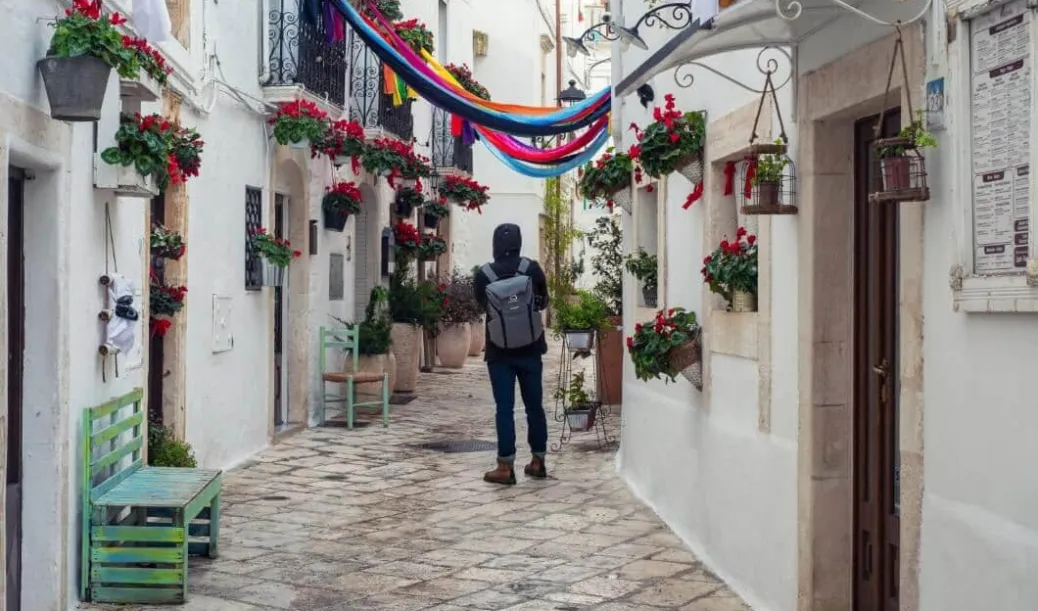
Italy’s historic houses have become a magnet for millions of visitors, revealing a fascinating story of cultural preservation powered largely by private ownership. In 2024, over 35 million people explored Italy’s grand palaces, villas, castles, and stately homes scattered across the country. What’s truly remarkable is that a significant portion of these treasures lie off the beaten path, in municipalities of less than 5,000 inhabitants, breathing new life into small villages that might otherwise fade into the shadows.
Living Heritage: Private Houses As Economic Engines
These are not static museums but living enterprises. Approximately 60% of Italy’s historic residences actively generate income through culture, hospitality, or agri-food production. Far from being sidelined relics, 20% have blossomed into fully-fledged businesses offering rich experiences that blend history with modern amenities.
Visitors today crave immersion rather than quick tours. The rise of overnight stays in these properties—now offered by 35% of them—shows a clear shift in tourist desires. History buffs and casual travellers alike enjoy waking up in centuries-old bedrooms and sipping estate-produced wine, making these historic houses a destination in their own right.
| Aspect | Statistic |
|---|---|
| Total Historic Residences | Approximately 46,000 |
| Residences in Small Municipalities (<5,000 inhabitants) | ~33% |
| Properties Offering Overnight Stays | 35% |
| Short-Term Tourist Rentals Growth (last year) | +46% |
| Properties Regularly Hosting School Groups | 58% |
Cultural Impact and Community Networks
More than 20,000 properties hosted public events in 2024, with over 17,000 offering free or socially oriented initiatives. Such efforts foster vitality not only within the walls of these majestic residences but also across the local economies. They nurture essential connections among farmers, vintners, restaurants, and outdoor service providers—making these houses community hubs where tradition meets entrepreneurship.
Costs and Private Commitment
Maintaining these centuries-old structures is no small feat. An overwhelming 85% of restoration and upkeep costs are covered by private owners. Annually, these caretakers invest upwards of €50,000 each to preserve their heritage, while public contributions remain minimal at around 2%. This devotion underscores a profound personal commitment to safeguarding history and culture.
Agriculture and Viticulture: The Backbone of Many Estates
Traditional farming is still thriving on 17% of these estates, with viticulture taking center stage. About 25% of all historic houses grow grapes, climbing to 36% among those producing and selling wine commercially. Cereals and olive oil each represent roughly 21% of crop production, and for many estates, farming isn’t just a side pursuit—it accounts for more than 75% of annual income.
The fusion of wine culture and tourism is a sweet spot. Every wine-producing historic house extends wine tasting experiences, resulting in an impressive 86% reporting visitor growth over the past year. For a third of these, the increase tops 30%, highlighting the powerful draw of combining heritage with authentic, local products.
Economic Ripple Effects Beyond Big Cities
This network of private historic houses pumps hundreds of millions of euros into Italy’s economy annually, much of it far from the bustling urban hubs and usual tourist trails. By preserving architecture that public funds could scarcely maintain, revitalizing depopulated villages, and providing skilled restoration jobs, these properties keep cultural traditions alive—everything from fresco restoration to age-old vine cultivation techniques.
Key Contributions of Private Historic Houses
- Economic revival of remote villages
- Creation of skilled employment
- Preservation of cultural and architectural heritage
- Promotion of sustainable agritourism and local products
- Strengthening community networks around culture and hospitality
The Fusion of Heritage and Hospitality: What It Means for Transfers and Taxi Services
With more travelers eager to visit and stay in historic houses, transportation logistics gain fresh importance. Whether arriving from the airport or moving between rural estates and local towns, visitors require reliable, comfortable, and often personalized taxi and transfer options. Platforms like LocalsRide.com enable users to book rides with full transparency—choosing specific car models, exact prices, and well-rated drivers—adding convenience to an unparalleled travel experience.
Such journeys contribute to dispersing tourists beyond traditional city centers, supporting the vitality of smaller towns and reducing pressure on usual hotspots. Knowing the rich options available for transfers, guests gain the freedom to explore lesser-known historic sites comfortably, making their trip truly immersive.
A Closer Look: Why Physical Experience Beats Online Reviews
While reviews and ratings help guide traveler choices, nothing compares to the firsthand feeling of stepping into a centuries-old villa or castle or sipping wine at an estate’s premiere cellar. On LocalsRide, travelers can hire cars with drivers from verified providers at reasonable prices, giving them the flexibility to tailor their itinerary without unwanted surprises or extra costs. The platform’s extensive fleet options and extra services ensure smooth transfers, allowing visitors to focus on enjoying every moment of their historic adventure.
The benefits of convenient, affordable, and personalized transportation merge seamlessly with exploring Italy’s private historic heritage, delivering a harmonious blend of culture, comfort, and discovery. Book your ride and experience Italy’s treasures firsthand on LocalsRide.com.
Wrapping It Up: Private Heritage as a Pillar of Italy’s Tourism Future
Italy's private historic houses are not just monuments of the past but dynamic players shaping the country's tourism landscape. Their integration of hospitality, agriculture, and cultural engagement breathes new life into small communities and drives substantial economic contributions. They illustrate the powerful role private owners play in preserving heritage, innovating visitor experiences, and supporting local economies.
In a tourism sector where visitors seek authenticity and connection, the private historic houses provide a unique and enriching experience. For travelers navigating Italy’s cities, destinations, and airports, having access to exact, trustworthy transport services is crucial. LocalsRide stands out by offering transparent pricing, a choice of cars and drivers, and unmatched convenience worldwide.
This private stewardship of history, combined with modern entrepreneurial spirit and effective transportation solutions, ensures that Italy’s timeless charm remains accessible and vibrant for generations to come.