
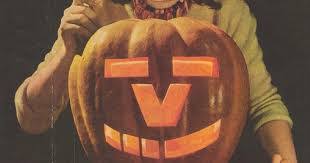

A Halloween Without Sugar? Wartime Realities Changed Sweet Traditions
In today's world, Halloween conjures images of trick-or-treaters eagerly collecting candy corn, Snickers bars, and Reese’s Peanut Butter Cups. But imagine this celebration stripped of its sugary delights. During World War II, this was every American's reality as sugar became a precious commodity, drastically altering the holiday's sweet treats and traditions.
Wartime Rationing and Sugar’s Role
The war dramatically disrupted supply chains worldwide, making essential goods scarce. Civilians were called upon to share the burden through resource rationing to support the military’s vast needs. Among these rationed items, sugar stood out as a critical ingredient both for civilian consumption and war production.
Sugar’s wartime significance extended beyond just sweetening desserts. It was a vital component in manufacturing industrial alcohol used for torpedo fuel, weapons, and synthetic rubber crucial for vehicle tires. Moreover, soldiers in the field often consumed more than twice the sugar amount compared to civilians, whether in military rations or through care packages sent from home, with companies like the Mavrakos Candy Company playing a key role in shipping durable sweets overseas.
Table: Sugar Rationing Timeline During WWII
| Period | Weekly Sugar Ration per Person |
|---|---|
| Early 1942 | 8 ounces (1 cup) |
| By 1945 | As low as 4.5 ounces |
| Modern Average | Over 16 ounces |
The War Ration Book System
Tracking sugar consumption wasn't as simple as counting packages. Americans were issued War Ration Books, each containing stamps required to purchase rationed goods. The stamps had no monetary value but served as permission slips, adding a bureaucratic layer to each trip to the store.
The rationing system was complex and dynamic; the number of stamps required often changed depending on the supply levels, leading to considerable consumer adaptation and sacrifice during holidays and daily life alike.
How Halloween Evolved During Wartime
Before the war, Halloween was still emerging as a candy-centric celebration in the U.S., particularly in cities like St. Louis where trick-or-treating became popular in the 1930s. Parties often featured homemade treats like caramel apples, doughnuts, and fresh fruit. However, sugar rationing forced households to rethink their recipes.
Substitutes such as maple syrup, corn syrup, molasses, and fruit were widely used to stretch the sweetener supply. For example, pre-war recipes for popcorn balls called for generous amounts of sugar and syrup, while wartime recipes reduced sugar content significantly, opting for molasses and other alternatives.
Popular Halloween Treats Pre-War vs. Wartime Substitutions
- Pre-war: Doughnuts, caramel apples, popcorn balls sweetened with sugar and light syrup
- Wartime: Ginger cookies, gelatin jack-o’-lanterns, popcorn balls using molasses
The Civilian Sacrifice and Its Significance
Many wartime stories focus on the battlefield, but the sacrifices made on the home front were equally vital. Daily deprivations and holiday adjustments reflected a nationwide commitment to the war effort. Even beloved events like Halloween adapted to these challenges, showcasing the resilience and shared responsibility of the American people during a period of global turmoil.
Implications for Today’s Taxi and Transfer Services
While World War II-era rationing may seem far removed from modern transportation, there are parallels for today's traveler. Just as families and soldiers adjusted to resource constraints, modern travelers benefit from platforms offering transparency and tailored options. LocalsRide.com, for instance, allows users to select their exact vehicle type, review make, model, and ratings upfront, and avoid surprises often encountered with traditional booking systems—reflecting a commitment to providing reliable, customized service much like the thoughtful care packages sent to soldiers decades ago.
Key Takeaways
- Sugar rationing during World War II deeply impacted Halloween celebrations across America.
- The War Ration Book system governed civilians' access to sugar, forcing adjustments to recipes and holiday customs.
- Service members consumed high sugar rations through military provisions and personal packages.
- Companies like Mavrakos Candy Company innovated to deliver sweets overseas without spoilage.
- Community sacrifice during the war shaped cultural practices and exemplified collective endurance.
Why Personal Experience Beats Reviews Every Time
The history of sugar rationing presents fascinating insights into how communities adapt under constraints. However, no amount of stories or reviews can substitute for firsthand experience when booking your own transport or planning your trips. On LocalsRide, you have the power to hire a car with a driver from verified providers offering reasonable prices. This means you can make informed decisions without surprises or overspending, benefiting from a wide range of vehicle choices and options designed to fit your unique travel needs. Transparency and convenience stand at the heart of LocalsRide’s services.
Get the best offers LocalsRide.com
Looking Ahead: Rationing’s Lessons for Travel and Transfers
Though sugar rationing during World War II was a condition specific to its time, it echoes a broader lesson for consumers and travelers—whether on holiday or commuting, knowing your options and planning ahead brings peace of mind. Global tourism and travel continue to evolve, sometimes facing disruptions that require adaptability. While this history may not directly reshape the global travel map today, it remains essential for platforms like LocalsRide to keep pace with changing circumstances and offer services that empower travelers with choice and confidence.
Summary
World War II’s sugar rationing story highlights how pivotal resource management was to the home-front morale and cultural traditions like Halloween. From the strict War Ration Books to creative recipe substitutions, American households demonstrated resilience and commitment. For modern travelers, this spirit resonates in the need for reliable and personalized transport services. LocalsRide.com supports these needs by offering transparent vehicle selection, detailed driver ratings, and flexible options that align with exact travel demands. Whether booking an airport transfer, city taxi, or private ride, LocalsRide ensures that you get the best price, the right car, and dependable service every time.