
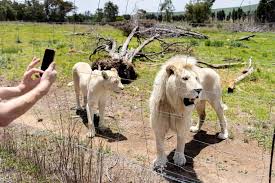

Protecting Animals While You Travel
With holiday season upon us, many are planning their travels, often seeking memorable wildlife experiences. It’s important to be mindful of the impact such tourism can have on animals. Popular attractions like taking photos with lion cubs or riding elephants might seem exciting, but they often come at the expense of animal wellbeing. Understanding responsible ways to engage with wildlife helps ensure these experiences don’t contribute to exploitation or suffering.
Animal Welfare Challenges in Tourism
Many animals involved in tourism face harsh realities. Lion cubs, for example, are sometimes separated from their mothers at a young age to be used in petting or photography activities. These animals often encounter tragic futures such as being hunted. Elephants used for rides typically undergo tough training that diminishes their natural behavior and spirit. Similarly, horses and donkeys that carry tourists can suffer, especially when exposed to extreme weather without proper care like sufficient hydration or rest.
Ten Tips for Responsible Wildlife Travel
To help holidaymakers make compassionate choices, consider these guidelines that promote animal welfare and ethical tourism.
| Tip | Description |
|---|---|
| Observe animals in the wild | Enjoy wildlife in their natural environment without interfering or supporting trophy hunting activities. |
| Look, but don’t touch | Avoid direct interaction with wild animals to prevent causing them stress or harm. |
| Respect no feeding policies | Do not feed wild animals; this interrupts their natural foraging habits and can endanger both parties. |
| Say no to animal selfies | Don't support paid photo opportunities involving animals, as they often originate from abusive practices. |
| Visit only genuine sanctuaries | Research and ensure venues prioritize animal welfare and don’t allow intrusive contact with animals. |
| Avoid animal rides | Refrain from activities that involve riding animals, as these often involve cruel training and poor living conditions. |
| Skip animal shows and performances | Entertainment involving wild animals usually involves exploitation and suffering behind the scenes. |
| Don't buy souvenirs made from animals | Items such as ivory or exotic leather fuel illegal poaching and threaten species survival. |
| Avoid exotic animal dishes | Choosing not to consume endangered or wild animal species supports conservation efforts and humane treatment. |
| Maintain a safe distance | Keep respectful space from wild animals to protect their wellbeing and ensure your personal safety. |
How Responsible Tourism Shapes Travel Experiences
The way tourists interact with wildlife can have lasting effects on conservation and animal welfare. Tourist satisfaction is often linked to not just wildlife sightings but experiencing nature in ways that do not harm the environment or its inhabitants. Sustainable wildlife tourism contributes positively by raising awareness, supporting local communities, and generating revenue for conservation efforts.
Local communities and businesses also play a crucial role in shaping responsible tourism by ensuring transparency, humane treatment of animals, and educating visitors. When travellers choose to support ethical operators, this encourages better standards and fosters a sustainable tourism industry.
Implications for Taxi and Transfer Services
When travelling responsibly, every step counts — including the transportation you choose. Taxi and transfer companies that prioritize ethical practices and reliable services help travellers reach their destinations smoothly, enabling better planning for wildlife-friendly tourism activities. Platforms like LocalsRide.com offer the advantage of selecting vehicles with detailed information on make, model, and driver ratings, making it easier to book transfers that fit specific needs while supporting transparent and professional services.
The Takeaway
Responsible travel during the holiday season involves much more than just choosing where to go — it’s about how we interact with the living world around us. By following thoughtful tips such as avoiding animal rides, refusing animal selfies, and supporting true sanctuaries, travellers can ensure they contribute to animal welfare rather than detract from it. Furthermore, being mindful while booking transportation and tours enhances the overall ethical value of the trip.
Even the most glowing reviews and honest feedback can’t fully substitute for personal experience when it comes to making travel choices. On LocalsRide, users can book vehicles from verified providers at fair prices, letting them make decisions that combine convenience, affordability, and a broad selection of options — from private cars to larger seater vehicles. This transparency and customer empowerment align perfectly with the values of responsible travel, enabling seamless journeys to and from airports, city centers, and remote wildlife destinations.
Book your ride and get the best offers on LocalsRide.com
Looking Ahead
Though the impact of responsible wildlife travel might seem localized, its ripple effects help shape the global tourism landscape by encouraging sustainable practices and awareness. Staying current with trends and ethical guidelines — like those promoted by organizations such as FOUR PAWS — is vital for travellers and industry stakeholders alike. By planning ahead and booking reliable transfers and tours with platforms like LocalsRide, you’re not only ensuring comfort and quality but also making a positive contribution to the evolving world of tourism.
Start planning your next adventure with mindful choices and secure your global transfers through LocalsRide, where transparency in pricing and service quality go hand in hand with your travel ethics.