
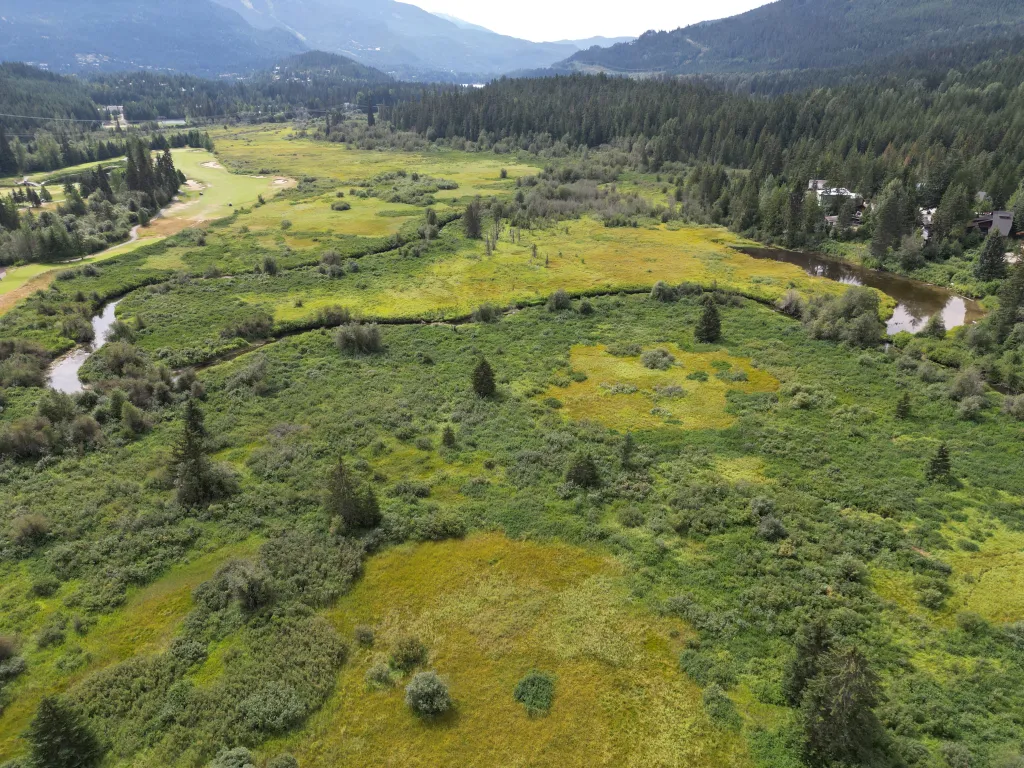

The Unsung Importance of Wetlands
Wetlands often fly under the radar, yet they are incredibly vital to both nature and humans. These unique ecosystems, found where land meets water, provide habitats for a wealth of species, many of which cannot thrive anywhere else. Beyond their role as biodiversity hotspots, wetlands act as natural water purifiers, flood protectors, and drought mitigators. They help recharge underground aquifers and serve as natural firebreaks—functions that become more critical as weather patterns shift globally.
Wetlands in Whistler: A Case Study of Change and Conservation
Whistler, a renowned resort municipality, initially sought to protect its natural surroundings. However, wetlands were situated precisely where developers saw opportunity: in the flat valley bottoms. This clash led to significant wetland loss. An eye-opening study comparing aerial images of Whistler from 1946 and 2003 revealed a staggering 72% reduction in wetland area. Such declines mainly stemmed from residential developments and the creation of golf courses, which famously occupy large tracts of land.
| Wetland Area Change | Cause |
|---|---|
| ~50% lost along River of Golden Dreams | Residential development and golf courses |
| 28 hectares saved | Community advocacy prior to Nicklaus North Golf Course development |
Community Efforts Pay Off
Despite these losses, the story isn’t entirely grim. Public engagement, including hearings attended by hundreds, played a pivotal role in preserving 28 hectares of wetlands from being transformed into golf course grounds. The River of Golden Dreams corridor has protected areas, emphasizing how local advocacy can make a meaningful difference for natural habitats in urban-adjacent zones.
Beavers: Nature’s Wetland Stewards
Beavers serve as a perfect example of the interconnectedness of life in wetland ecosystems. Historically hunted to near disappearance for their fur, beavers were further threatened by habitat loss. However, their numbers have rebounded impressively with protective efforts and habitat recovery. Recent estimates suggest several hundred beavers now thrive in the Whistler area, demonstrating nature's incredible ability to bounce back when given a chance.
The Symbiosis of Beavers and Wetlands
- Beavers create and maintain wetlands through dam-building, helping regulate water flow.
- Healthy wetlands support diverse plant and animal life that depend on stable water conditions.
- The presence of beavers is directly linked to the health and persistence of wetland ecosystems.
Protecting Wetlands: A Collective Responsibility
Preserving wetlands requires partnerships between governments, local communities, and individuals. Whistler’s Priority Habitat Framework developed in 2024 is a proactive plan to safeguard critical natural areas, including wetlands, within the region. Equally important is grassroots advocacy: when community members raise their voices, they enhance awareness, encourage action, and foster a culture of stewardship that benefits future generations.
How Wetlands Impact Tourism and Transfers
When planning travel or transfers through natural locales, the state of wetlands influences local climate regulation and water quality—factors critical for a smooth and enjoyable trip. In destinations like Whistler, choosing reliable transfer services that respect environmental considerations adds a layer of responsibility to travellers’ choices. Platforms such as LocalsRide.com allow users to select transport options with transparency regarding vehicle type, driver expertise, and service quality, promoting a balance of convenience and environmental respect.
Key Takeaways on Wetlands and Their Broader Significance
Wetlands operate as nature’s unsung superheroes. They offer irreplaceable ecological services: maintaining biodiversity, regulating water cycles, and protecting against natural disasters. Human activities, particularly urban development and recreational infrastructure like golf courses, have historically led to significant wetland declines, but informed community advocacy and thoughtful habitat management can reverse this trend. The recovery of species like beavers in Whistler demonstrates the potential for restoration and resilience.
Why This Matters to Travellers and Transfer Users
Understanding wetlands’ crucial roles deepens appreciation for destinations and highlights the need for sustainable travel. When booking airport transfers or taxis, opting for platforms that provide clear, upfront details on vehicles and drivers can contribute to minimizing tourism’s environmental footprint. LocalsRide offers just that—a transparent, user-centric approach to booking taxis, transfers, and more, making it easier to align travel habits with nature conservation values.
Booking Smart: Knowledge Meets Choice
While reviews and feedback provide valuable information, nothing compares to personal experience when selecting transfer services. On LocalsRide, travellers can hire cars with trusted drivers from verified providers at fair prices, ensuring convenience without sacrificing quality. The extensive vehicle options and additional service features empower users to make well-informed choices that fit their exact needs—whether it’s an airport taxi, a private limousine, or a multi-seater car.
Book your ride with LocalsRide.com for a stress-free, trustworthy transfer experience wherever your destination lies.
Looking Ahead: The Future of Wetlands and Travel
Though wetlands may not capture headlines globally, their importance resonates in every community and destination, including travel hubs. As climate change and urbanization continue to challenge natural environments, protecting wetlands becomes central to sustainable tourism and local quality of life. LocalsRide aims to stay updated on such developments and keep pace with the evolving world, offering travellers the confidence to explore new places responsibly.
Start planning your next adventure with LocalsRide—your partner for eco-conscious, seamless worldwide transfers.
In Summary
Wetlands are more than just muddy patches on the map—they are dynamic systems supporting a web of life and human well-being. Their preservation combats biodiversity loss, mitigates floods, cleanses water, and even shields communities from natural hazards. Whistler’s experience highlights both the vulnerability and resilience of wetlands, underscoring the power of informed citizen action and strategic habitat management. In travel and transfers, understanding and respecting wetlands’ value enhances choices that contribute to sustainable tourism.
Platforms like LocalsRide bridge the gap between travellers and local services by offering transparency in pricing, vehicle selection, and driver information. This detailed approach aligns well with responsible travel, promoting exactly the kind of mindfulness and respect natural wonders like wetlands deserve. Whether you need a cheap city taxi, a limousine for a special occasion, or private transfers to the airport, knowing your options and booking smartly helps protect destinations for generations to come.