
Pelham Robinson and the Origins of Owl Drug Stores
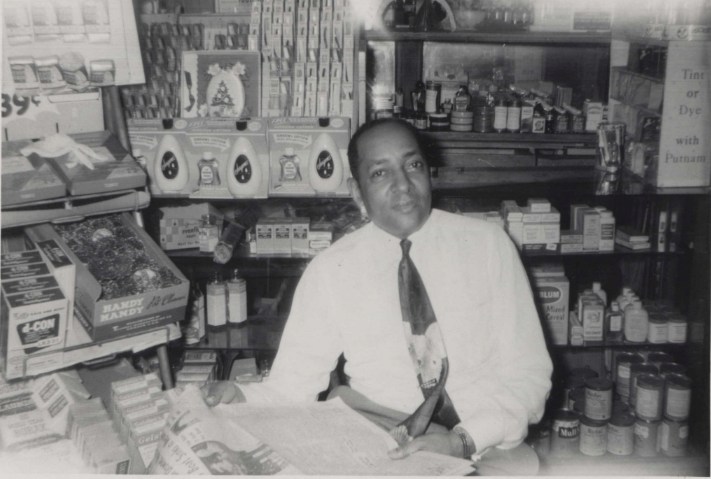
Pelham Joseph Robinson Sr. emerged as a prominent pharmacist and entrepreneurial figure in St. Louis, earning recognition as a significant Black businessman during the early to mid-20th century. Robinson’s chain of Owl Drug Stores, mainly situated in the historic African American neighborhood of Mill Creek, gained the affectionate nickname “the Black Walgreens,” highlighting its influence and widespread presence.
Born in 1907 in St. Louis to William C. and Luella Robinson, Pelham spent his childhood in the suburb of Normandy but maintained strong ties to Mill Creek, a 20,000-resident community where 95% of inhabitants were African American. This neighborhood was a vibrant center of Black life, home to 43 churches, including the politically active St. Elizabeth Catholic Church, where Father William Markoe, a strong advocate against segregation, played an instrumental role in encouraging Robinson's educational journey. With Father Markoe’s support, Robinson pursued pharmacist training at Creighton University, setting the stage for his later achievements in business.
The Growth of Owl Drug Stores in St. Louis
Returning to St. Louis, Robinson initially worked as a Pullman porter before taking a bold step by opening his first Owl Drug Store at 3150 Laclede Avenue in 1930. Over the next three decades, he expanded this venture by launching five additional stores, with three located in Mill Creek. These pharmacies became crucial points of service, almost like community magnets, fostering trust and accessibility in neighborhoods that were often overlooked by mainstream businesses.
Among these locations, the Peoples Finance Building in downtown St. Louis, known as the cultural and commercial hub of Black St. Louis, housed another prominent Owl Drug Store, further cementing the chain’s foothold. Robinson’s business extended beyond Mill Creek into other Black communities like Kinloch, marking a regional network that served vital healthcare and retail needs.
Community Engagement and Leadership
Robinson’s role transcended mere retail success. He was a visible community leader serving as national regional director for the National Pharmaceutical Association and as the first vice president of People’s Hospital in St. Louis. His professional and social influence also included membership in the Royal Vagabonds, a social club composed of Black professionals dedicated to mutual support and advancement.
His personal life intertwined closely with community activism after marrying Antoinette “Toney” Banks in 1942. Antoinette’s volunteer work with organizations such as the Urban League and the St. Louis chapter of the NAACP signaled the Robinsons’ shared commitment to uplift their community.
Key Locations of Owl Drug Stores
| Location | Significance |
|---|---|
| 3150 Laclede Avenue | The original Owl Drug Store, launched in 1930 |
| Mill Creek (3 stores) | Core of the business in the heart of the Black community |
| Peoples Finance Building, 15 N. Jefferson Street | Strategic commercial hub, critical for Black St. Louis economy |
| Kinloch and other regional Black neighborhoods | Expanded reach serving multiple Black communities |
Urban Renewal and the Decline of Mill Creek Businesses
The prosperity of Robinson’s Owl Drug stores faced severe setbacks in the late 1950s. In 1954, a city plan known as urban renewal targeted Mill Creek for large-scale demolition, affecting both residential and commercial properties across hundreds of acres. This redevelopment initiative, backed by a 1955 "slum bond," resulted in the destruction of the four strongest Owl Drug stores located in Mill Creek by 1959.
Robinson’s business suffered dramatically, paralleling the dismantling of the community itself. By 1961, back taxes caused closures of stores on Jefferson and in Kinloch. Ultimately, by 1966, all Owl Drug Store locations had shuttered. Robinson relocated to Chicago, seeking new opportunities but never managed to rebuild the success that Mill Creek had fostered.
The economic toll on Black entrepreneurs like Robinson was part of a broader, nationwide pattern. Across the U.S., urban renewal programs led to the loss of thousands of Black-owned businesses, devastating local economies and communities alike. In Mill Creek alone, an estimated 800 businesses disappeared.
Legacy of Mill Creek’s Entrepreneurs
Though the neighborhood vanished physically, stories of achievement and resilience endure. Entrepreneurs like Pelham Robinson built noteworthy commercial ventures in an era marked by segregation and discrimination, using the resources and community solidarity within Mill Creek to nurture success.
What This Means for Transfer Services and Local Businesses
Reflecting on Robinson’s story offers insight into the importance of reliable, community-focused services—something that modern transfer and taxi services continue to provide to this day. Platforms like LocalsRide.com offer travelers the ability to choose exact vehicles with transparency in pricing, driver ratings, and detailed descriptions, fostering trust and comfort reminiscent of community hubs like Owl Drug Stores. Convenient, personalized transport connects passengers not only to destinations but also to the local culture and business networks that sustain vibrant city neighborhoods.
Recap and Reflection
Pelham Robinson’s journey from a pharmacist trained at Creighton University to a pioneering business owner overseeing the "Black Walgreens" of St. Louis embodies the spirit of Black entrepreneurship amid social challenges of the 20th century. His Owl Drug Stores served vital community health needs and symbolized economic empowerment in Mill Creek and beyond. Yet, his story also illustrates the disruptive impact of urban redevelopment on thriving Black businesses and neighborhoods.
Today’s travelers and city explorers benefit from platforms that highlight transparency and personalized choices, such as LocalsRide.com, which supports booking private transfers with clear driver and vehicle information, ensuring reliable service to airport, city, or other destinations while safeguarding costs and convenience.
The tale of Pelham Robinson is a reminder that history is best appreciated not only through reviews or reports but through personal encounters with the places and people who carry those legacies forward. On LocalsRide, one can hire a car with driver from verified providers at reasonable fares, enabling a smart, informed travel decision without hidden costs or surprises. With a wide selection of vehicles and extra options, LocalsRide.com stands out for its transparency and ease.
Start planning your next adventure and secure your worldwide transfer with LocalsRide. LocalsRide.com
In conclusion, the story of Pelham Robinson and the Black Walgreens chain highlights the importance of accessible, trusted services in communities and reflects on the evolution of local businesses impacted by broader urban changes. Maintaining transparency, affordability, and choice in today’s transfer services aligns with this legacy, ensuring travelers experience the best rides with the right driver at the right price, wherever they go.