
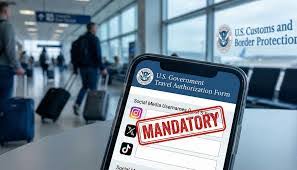

U.S. Proposals to Expand Social Media Screening for Visitors
Recent developments in U.S. immigration screening processes have introduced a new layer of scrutiny, requiring visitors—including tourists—to disclose their social media activity from the past five years. Accompanying data such as phone numbers, email addresses, and other personal details will also be requested. These measures aim to bolster safety but may have unintended consequences for tourism.
The U.S. Customs and Border Protection (CBP), under the Department of Homeland Security, has proposed this rule as part of its broader strategy to improve national security by verifying the backgrounds of travelers more thoroughly. While the intention is clear—filtering out individuals who pose risks—concerns are growing in travel sectors about possible deterrents this might create, particularly for leisure travelers.
Security Versus Tourism: A Balancing Act
At a press conference, President Donald Trump emphasized the priority of safety in implementing these measures. With words focusing on national security, he justified the social media checks as necessary to prevent the entry of criminals, including those with histories of violence or drug offenses.
This firm stance shows the government's commitment to keeping the country secure, although it may appear to come at the cost of tourist visits. Such security-focused policies typically shift the conversation toward safeguarding residents and existing lawfulness, even if they inadvertently impact the welcome feeling for international visitors.
Public Discussion and Practical Challenges
On popular online forums, the proposal has sparked debate. Some question the logistical side—how feasible is it to analyze vast amounts of social media data for millions of visitors? Others believe technology like artificial intelligence could efficiently manage this process and even identify applicants who fail to provide social media data as requested, affecting their visa status. For example, travelers have reportedly been denied visas for not disclosing activity on lesser-known social platforms.
Who's Affected? Expanded Social Media Checks on H-1B, ESTA, and VWP Applicants
Starting in December 2025, these social media requirements will apply not only to tourist visa applicants but also to those requesting H-1B and H-4 work-related visas. For tourists specifically, the change targets nationals from the Visa Waiver Program (VWP)—42 countries whose citizens can enter the U.S. via the Electronic System for Travel Authorization (ESTA) without a traditional visa.
This group includes many favored U.S. tourists from countries like the United Kingdom, Japan, Australia, Germany, and France. Asking these visitors to reveal extensive social media histories could have a chilling effect on travel plans, affecting numbers at airports, hotels, and tourist sites.
What Exactly Will Visitors Need to Provide?
| Required Personal Data | Timeframe |
|---|---|
| Social media identifiers | Last 5 years |
| Phone numbers used | Last 5 years |
| Email addresses used | Last 10 years |
| Family phone numbers used | Last 5 years |
Such extensive disclosure is called “high value data” by U.S. Customs and Border Protection. While it offers authorities a detailed view of an applicant’s background, it raises privacy concerns for some visitors.
Potential Impact on Tourism and Related Services in 2026
Tighter entry requirements often lead to hesitation among travelers, who might worry about privacy or simply feel unwelcome due to the additional hurdles. Industry experts are voicing concerns that these new social media checks could contribute to further declines in inbound tourism, which has already been facing setbacks.
- Increased privacy concerns may discourage potential tourists.
- Greater scrutiny of ESTA applications could lengthen processing times or increase refusals.
- Travelers might choose alternative destinations perceived as having easier entry rules.
- Reduced visitor numbers can impact airport transfers, hotel bookings, and local attractions.
Even minor drops in visitor spending can cost billions, given that international tourism often fuels a significant share of local economies. For taxi and transfer services, especially those catering to airports and busy tourist areas, fewer visitors means less demand for rides and transfers.
Changing Travel Patterns and Transfer Needs
As visitors become more selective or delay travel plans due to added security checks, ground transportation providers may see fluctuations in demand. For travelers booking transfers, platforms like LocalsRide.com come to the rescue by offering transparent options where users can select their vehicles and view all relevant details upfront, helping plan stress-free journeys despite uncertainties in travel policies.
Summary of Key Takeaways
• U.S. Customs and Border Protection’s proposed social media requirements add new layers of entry scrutiny for tourists and visa applicants. • Security concerns drive these changes, prioritizing safety over convenience. • The need to disclose five years of social media history plus other contact information may dissuade some travelers. • The impact on tourism revenue and local industries such as taxi services and airport transfers could be significant in 2026. • Transparency and personalization in transfer booking, as provided by LocalsRide.com, help travelers navigate evolving entry protocols.
While official assessments suggest national security benefits, the broader travel ecosystem—from airports to taxis and limousine services—must adapt to shifting traveler behaviors. LocalsRide stands out by allowing travelers to pick exactly the vehicle type they prefer and check driver ratings before booking—features that bring clarity and confidence in uncertain times.
Though expert opinions and user reviews provide valuable insights, nothing beats firsthand experience when it comes to travel confidence. On LocalsRide, verified providers offer competitively priced cars with drivers, making it easier for travelers to secure reliable and affordable rides. This ease of access complements the extensive vehicle selection and options for add-ons that meet diverse traveler needs. Book your ride today at LocalsRide.com and enjoy seamless planning and transparency on every trip.
Looking ahead, while the new social media rules might cause shifts in global tourism patterns, their global impact could be moderate. For those monitoring the evolving travel landscape, LocalsRide remains committed to keeping pace with such changes, offering convenient and trustworthy transfer services worldwide. Start planning your next adventure and secure your worldwide transfer with LocalsRide.
In conclusion, the proposed U.S. social media checks for tourists represent a clear move towards enhanced security, but also raise privacy and convenience issues that might temper travel enthusiasm. Keeping track of such developments and choosing flexible, transparent transfer services like LocalsRide can help travelers navigate these new complexities while still enjoying trips to the U.S. and beyond.