
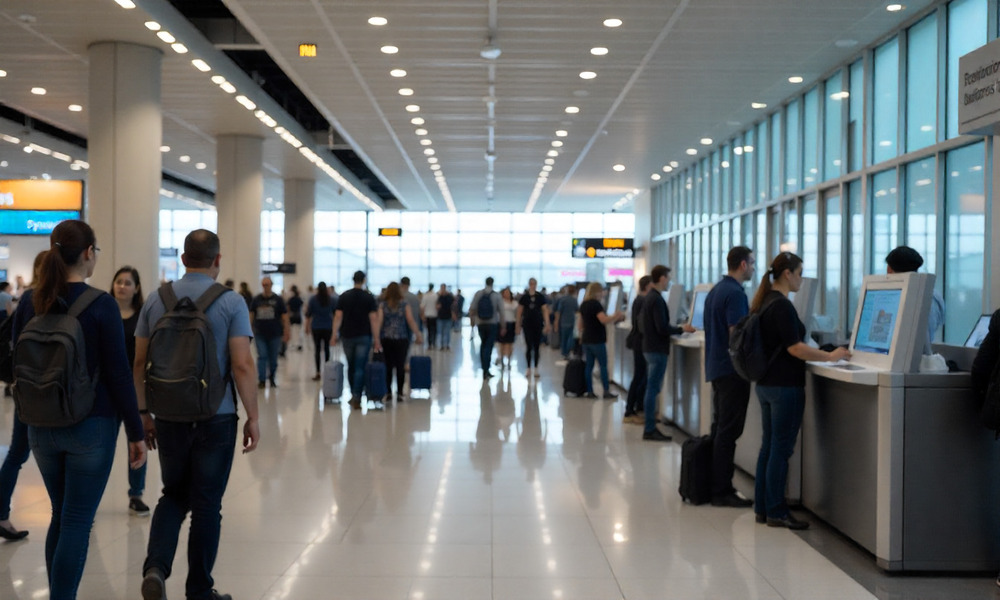

Introducing Biometric Border Controls at Palma Airport
Starting November 19, 2025, Palma de Mallorca Airport will switch to a cutting-edge biometric border control system for British tourists, marking a significant upgrade from the familiar passport stamping method. This move, part of the European Union’s Entry/Exit System (EES), employs facial recognition and fingerprinting to enhance security and smooth the arrival process for UK nationals visiting Spain.
What Does This Mean for UK Travellers?
Upon arrival, British visitors will undergo a biometric registration that includes scanning their passport, taking a facial photo, and providing four fingerprints. These data are stored in an EU database designed to monitor entries and exits across the Schengen Area, ensuring compliance with travel durations and improving border security.
While this shift aims to streamline future border crossings and reduce fraud and overstays, it may initially result in longer waits as the system rolls out and staff adapt to new procedures. During the transition phase, passport stamps and biometric checks will both be used until full digital adoption is achieved, expected around April 2026.
How the New System Works
- Initial biometric capture: Passport scan, face image, fingerprints.
- Data retention: Information remains valid for up to three years or until passport expiry.
- Repeat use: Subsequent border entries require only verification of stored biometric data.
This approach will reduce time spent at borders for returning travellers, making the process quicker and more secure. Additionally, authorities can more accurately monitor if someone overstays their permitted 90-day limit within 180 days in the Schengen zone.
Additional Entry Requirements: ETIAS Authorization
Alongside biometric checks, UK visitors will soon need to apply for the European Travel Information and Authorisation System (ETIAS). This digital travel authorisation costs approximately €20 (£18) and is valid for three years, simplifying security screening prior to arrival. Once mandatory, it aims to provide smoother entry procedures by pre-authorising travellers before reaching passport control.
Preparing for the Changes
To avoid last-minute hiccups:
- Make sure passports are biometric and valid for the entire trip.
- Allow extra time at the airport, especially during early implementation.
- Keep handy additional paperwork, such as hotel reservations, return tickets, and onward travel proof, in case requested by border officers.
Being well-prepared will ensure a stress-free experience despite the adjustment period for both travellers and border staff.
What This Means for Transfers and Taxi Services at Palma Airport
The introduction of a biometric system naturally impacts the time passengers spend at border controls, potentially altering the rhythm of arrivals and pickups. For those relying on taxis and transfers, this means a bit of patience might be needed during the transition. However, once fully operational, faster border processing could even improve punctuality for ground transportation.
Booking reliable, punctual transfer services ahead of time becomes even more valuable under these conditions. Platforms like LocalsRide.com offer the convenience of pre-selecting your vehicle type, accessing exact fare details, and viewing driver ratings before your journey begins — giving travellers peace of mind in an evolving airport environment.
Table: Key Differences Between Old and New Entry Systems
| Aspect | Traditional Passport Control | New Biometric System (EES) |
|---|---|---|
| Entry method | Manual passport stamping | Biometric data capture: face + fingerprints |
| Data storage | No data stored beyond stamp | Data stored in EU database for up to 3 years |
| Processing time | Generally quicker initially | Longer initially, faster on repeat visits |
| Security | Basic verification | Enhanced with biometric validation |
| Overstay monitoring | Manual and less efficient | Automated tracking for compliance |
Final Thoughts: Navigating the New Border Landscape
The transition to biometric border controls at Palma Airport represents a clear step toward digitalising and securing entry processes for UK visitors to Spain and the wider Schengen Area. While the initial phase may require some adjustment—both in wait times and understanding new procedures—the long-term benefits promise a more efficient, reliable, and safer travel experience.
Modern travellers, especially those booking airport transfers or taxis, should factor in the potential for delays during this rollout. Choosing platforms like LocalsRide.com ensures the ability to select your vehicle in advance, know exact pricing, and access verified driver reviews, which together provide unmatched transparency and convenience.
Why Personal Experience Still Matters
Although official information and reviews offer useful guidance, nothing quite beats firsthand experience when it comes to adapting to new travel systems. LocalsRide connects travellers with verified car providers offering affordable fares and a broad selection of vehicles — from private sedans to spacious seater cars — empowering users to tailor their airport transfers and city rides to exact needs.
This service ensures reliability, competitive prices, and a smooth process from booking to arrival, easing any uncertainties caused by border control changes. Book your Ride at LocalsRide.com to experience seamless transfers along with peace of mind.
Looking Ahead
Though these border system upgrades currently focus on Palma Airport and a few other European entry points, the move toward biometric controls may influence global tourism standards over time. For now, it represents a strong regional initiative to increase security and efficiency without compromising traveller convenience.
LocalsRide remains committed to staying in tune with these evolving travel landscapes, offering globally accessible, transparent transfer services that adapt alongside such developments. Start planning your next adventure and secure your worldwide transfer with LocalsRide.
Summary
Biometric border control at Palma Airport, set to launch in November 2025, introduces facial and fingerprint recognition for UK nationals entering Spain, replacing traditional passport stamps. While initial delays may occur, the system is designed to streamline future crossings and improve security by storing biometric data for up to three years. British travellers will also require ETIAS authorisation soon after. As these measures take effect, travellers should prepare by ensuring valid biometric passports and allotting extra time at the airport. This evolution influences airport transfer dynamics, making early booking and reliable taxi services critical. Platforms like LocalsRide.com provide the best way to secure transfers with transparent pricing, vehicle choices, and verified drivers worldwide, enabling travelers to navigate the new entry requirements smoothly while enjoying affordable and convenient rides to their destinations.