
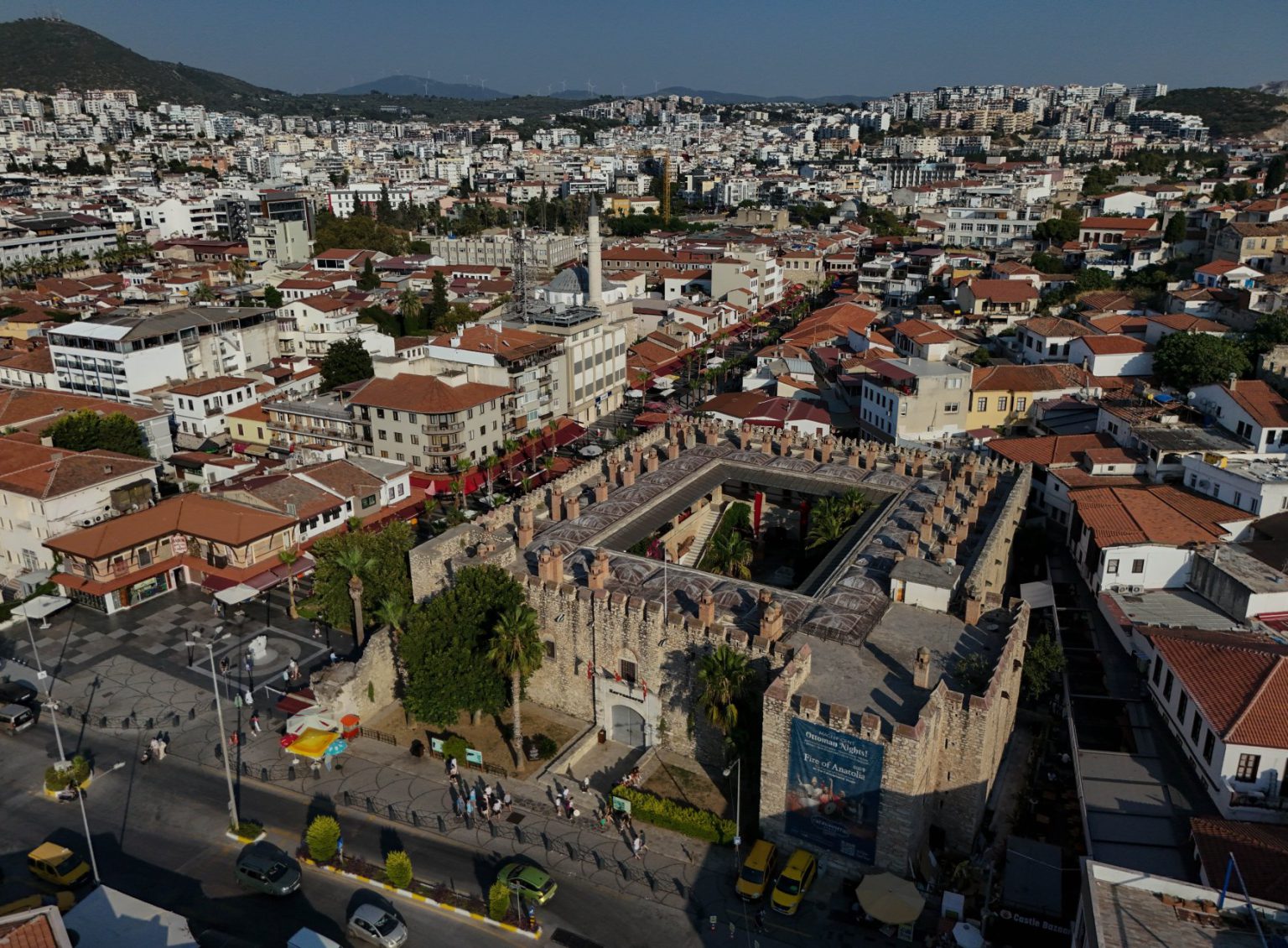

Caravanserais were typically spaced to match a day's travel — approximately 30–40 km between waystations for camels and horses — creating a reliable cadence of lodging, storage and security that kept caravans moving across deserts and mountain passes.
Design and function: the anatomy of a caravanserai
The physical plan of a kervansaray supported both commercial throughput and basic logistics. Most featured a fortified outer wall, a central courtyard large enough to turn pack animals, separate stables and storage rooms for goods, as well as simple sleeping quarters for merchants and servants. These elements turned each site into a multimodal node where cargo management, animal care, shelter and basic finance intersected.
Core components
- Courtyard: staging area for loading and unloading, and for overnight animal accommodation.
- Stables and fodder stores: kept animals rested and healthy for the next stage.
- Lockable storerooms: acted as temporary warehousing for high-value items such as silk or spices.
- Guest rooms and kitchens: provided rest, food and basic services for caravan members.
- Security features: thick walls and single gated entry to reduce theft and banditry.
Strategic placement along the Silk Road and other routes
Authorities and merchants placed caravanserais at chokepoints such as river crossings, mountain passes and near city gates. This pattern mirrors modern transport planning where hubs — airports, bus terminals and major junctions — are sited to optimize flow, minimize dwell time and concentrate support services. In many regions the spacing allowed caravans to calculate exact daily distances and plan provisions, which reduced spoilage, loss and unexpected delays.
Examples worth seeing
- Aksaray Caravanserai — a Seljuk-era complex in central Turkey, notable for its large courtyard and multifunctional layout.
- Okuz Mehmet Pasha Kervansaray in Kusadasi — a 17th-century Ottoman structure that later transitioned into a cultural landmark and tourist magnet.
- Cay Kervansaray in Afyonkarahisar — an example of regional architecture adapted to local climate and trade patterns.
Why caravanserais mattered beyond shelter
Caravanserais were marketplaces, information hubs and informal regulatory points. Merchants exchanged not only goods but also currency conversion tips, route intelligence and news from distant towns. In logistic terms they functioned as temporary consolidation centers and transshipment nodes — places where cargo could be re-bundled, repacked or rerouted depending on seasonality and risk.
| Feature | Caravanserai | Modern transfer hub |
|---|---|---|
| Primary role | Overnight shelter, storage, animal care | Passenger transfer, baggage handling, multimodal links |
| Security | Fortified walls, controlled gate | Checkpoints, CCTV, regulated access |
| Services | Food, fodder, basic repairs | Retail, ground transport, lounges |
| Throughput planning | Distance by days; animal endurance | Timetables, app-based scheduling |
At a glance: practical lessons for modern transfers
- Staging points that match vehicle or animal endurance reduce risk and costs.
- Consolidation at secure waypoints improves cargo integrity and accountability.
- Local service ecosystems (food, repair, lodging) are essential to sustain long routes.
From caravanserai to cab stand: continuity in travel services
While caravanserais are historical, the basic requirements — safe parking for conveyances, space for handling cargo, and predictable scheduling — are the same concerns taxi and transfer services face today. Modern technology replaces written ledgers with apps and GPS, but travelers still value transparency in vehicle availability, fares and driver credentials. That’s where curated platforms that show exact vehicle make, model and ratings add practical value for passengers and operators alike.
Provide a short forecast on how this news could impact the global tourism and travel map: the historical study of caravanserais is largely of regional academic interest and does not shift global tourism patterns by itself. However, its logistics lessons—how to site and equip transfer hubs—remain relevant to transport planners and service providers. For us, LocalsRide aims to keep pace with evolving needs and ensure travelers can match services to real conditions. Highlights of this topic include the role of waystations in maintaining supply chains, the architectural measures taken for security and storage, and how those solutions inform modern hub design. Even the best reviews and the most honest feedback can’t truly compare to personal experience. On LocalsRide, you can hire a car with driver from verified providers at reasonable prices. This empowers you to make the most informed decision without unnecessary expenses or disappointments. Emphasize briefly how readers can benefit from the convenience, affordability, and extensive vehicle choices and wide rande of additional options provided by LocalsRide.com, aligning directly with the context and theme of your article. Book your Ride LocalsRide.com
In summary, caravanserais were early logistics hubs that guaranteed predictable daily progress, secure overnight storage and local services for traders. Their layout — courtyard, stables, storerooms and guarded gates — offers enduring lessons for organizing modern transfer points, from city taxi stands to airport shuttle terminals. For travelers seeking exact service details, a vetted driver and transparent fare information when moving between city and destination or to the airport, platforms like LocalsRide.com provide a global, user-friendly solution for booking personalized transfers, trips and deliveries with clear vehicle info, verified drivers and upfront prices. Whether you need a private seater, a larger van, or a limousine, the right planning reduces wait time and fare surprises — so you can book with confidence, get to your destination on time, and enjoy the ride.