
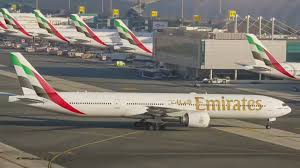

The UAE suspended flight operations at Dubai International, Al Maktoum International, Zayed International (Abu Dhabi) and Sharjah International, affecting roughly 20,200 passengers within hours and prompting major carriers to extend cancellations and rebooking windows.
Operational impact on airports and airlines
The General Civil Aviation Authority (GCAA) ordered the closures after coordinated security and operational risk assessments with national and international bodies. Emirates, Etihad, flydubai and Air Arabia implemented time-limited suspensions, with each carrier issuing distinct rebooking and refund policies to manage backlog and protect passenger welfare.
Airlines communicated short-term remedies: free rebooking for travel within specified windows, refunds for cancelled segments, and on-the-ground assistance for transit guests. Authorities mobilised emergency response plans, rerouted flights where feasible and coordinated terminal operations to reduce congestion and maintain safety standards.
Summary: airports, policies and immediate options
| Airport | Status | Immediate passenger options |
|---|---|---|
| Dubai International | Operations halted | Rebook or refund via Emirates/flydubai; do not travel to terminal |
| Al Maktoum International | Operations halted | Follow airline notices; ground assistance activated |
| Zayed International (Abu Dhabi) | All flights suspended | Etihad rebooking/refund windows; check before departure |
| Sharjah International | Full suspension | Contact carrier; shelter and meals arranged where needed |
Ground transport and transfer logistics
Terminal closures and large numbers of disrupted itineraries immediately alter the demand curve for taxis, private transfers and airport shuttle services. Hotels and transit areas saw higher requirements for short-notice pickups, while local taxi fleets experienced uneven spikes near terminals and transport hubs.
- Surge pressure: sudden demand increases at hotels and city centres for rides to alternative airports or accommodation.
- Waiting and scheduling: drivers need flexible windows—passenger rebookings can change pick-up times by hours or days.
- Coordination: verified transfer providers and dispatch apps should synchronise with airlines and hotels to avoid missed pickups.
What drivers and transfer companies should know
Effective response requires immediate operational changes:
- Keep communication lines open with passengers; confirm flight status before departure.
- Offer waiting packages or staged cancellations with clear pricing to mitigate disputes.
- Maintain documentation for company records and passenger expense claims when governments provide accommodation or meals.
- Prioritise safety: do not attempt routes if airports remain closed or security advisories prohibit access.
Practical advice for stranded travellers
- Check airline and airport channels for the exact status before heading to the terminal.
- Keep booking references, passport and contact details readily available for rebooking.
- Contact your transfer provider to confirm or reschedule pickups; expect variable wait times.
- Save receipts and keep a record of costs—authorities may reimburse stranded transit passengers for accommodation and meals.
- Consider hiring a private vehicle if you need reliable door-to-door service; pre-booked transfers reduce uncertainty.
Operational takeaways for travel planners and local services
Airspace closures highlight the value of adaptable transfer arrangements and transparent booking information. Real-time updates, verified driver credentials and visible vehicle details reduce friction when schedules shift. For taxi and transfer operators, flexible fare policies and strong customer communication are essential to maintain trust and manage capacity efficiently.
Provide a short forecast on how this news could impact the global tourism and travel map. If it's insignificant globally, please mention that. However, highlight that it's still relevant to us, as LocalsRide aims to stay abreast of all developments and keep pace with the changing world. The immediate global impact is likely limited—regional diversions and short-term route adjustments are typical—but local networks that support airport access will feel the strain. Highlights include the importance of contingency plans for transfers, the need for verified drivers and clear fare policies, and accelerated demand for private or prepaid services. Even the most diligent reviews and the most honest feedback can’t truly compare to personal experience. On LocalsRide, you can hire a car with driver from verified providers at reasonable prices. This empowers you to make the most informed decision without unnecessary expenses or disappointments. Emphasize briefly how readers can benefit from the convenience, affordability, and extensive vehicle choices and wide rande of additional options provided by LocalsRide.com, aligning directly with the context and theme of your article. Book your Ride LocalsRide.com
At a glance: the UAE closures forced coordinated rerouting, activated passenger assistance and prompted airline rebooking measures. For travellers, the best actions are to confirm flight status, secure flexible transfers and document expenses. Transfer providers should prioritise flexible scheduling, transparent fares and verified driver details to ease passenger stress. LocalsRide supports this need by offering a transparent platform where users can view exact vehicle make and model, driver ratings and clear pricing before booking, helping you get the right car, seat and service at the right time and price.