
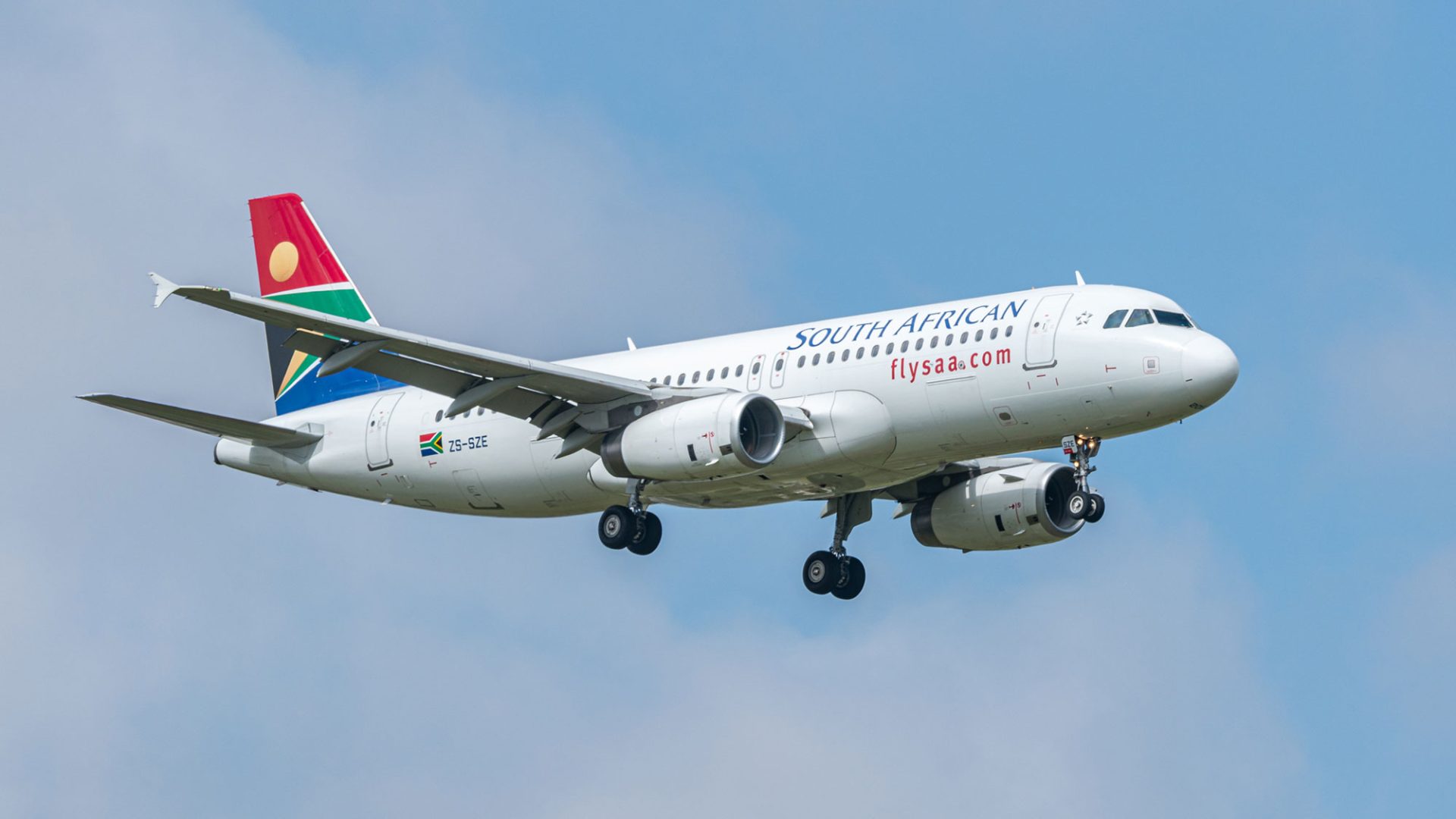

Immediate fleet changes and operational impact
FlySafair accepted a Boeing 737-800 in late January and expects a second 737-800 in the coming weeks, while Global Aviation is integrating a 16‑year‑old Airbus A320 (ex‑Virgin Australia) into the LIFT operation. These arrivals are timed to relieve peak route pressure, increase available seat capacity, and enable higher flight frequency on popular city pairs such as Johannesburg–Cape Town and Johannesburg–Durban.
Contrasting fleet strategies at a glance
The two operators are pursuing distinct approaches that influence short‑term costs, maintenance schedules, and route planning:
| Operator | Aircraft | Strategy | Effect on domestic routes |
|---|---|---|---|
| Global Aviation / LIFT | Airbus A320 (16 years) | Second‑hand acquisition to control capital expenditure | Cost‑efficient capacity for regional hops and restorative frequencies |
| FlySafair | Boeing 737-800 | Fleet reinforcement with proven narrow‑body type | Increased frequency, lower unit costs on trunk routes |
Operational trade-offs and logistics
Using pre‑owned airframes reduces upfront price and leasing pressure but requires careful maintenance planning to keep license and airworthiness timelines aligned. Standardizing on common types like the A320 or 737 family helps with pilot rostering, spare‑parts logistics, and predictable turnaround times—critical for keeping punctuality high on tight domestic schedules.
How this affects airport ground services and transfers
- Higher flight frequency typically raises demand for ground transport during peak windows—more arrivals at the same hour mean more taxis, shuttles, and chauffeur services required at terminals.
- Predictable aircraft types simplify baggage handling and gate allocation, improving on‑time performance and reducing passenger wait time for onward transfers.
- Low‑cost carriers expanding capacity may press airports to optimize curbside layouts and pick‑up/drop‑off zones to prevent congestion and ensure safety.
Implications for taxi and transfer services
From a passenger and transfer perspective, the immediate consequence is clearer: more seats and more flights equal higher demand for reliable last‑mile options. Travelers who value an exact pickup time, a known vehicle type, or pre‑booked fares will likely favor services that provide transparency on vehicle make, model, and driver credentials.
Practical considerations for passengers
- Book transfers with arrival‑time monitoring to avoid extra wait time when flights land early or late.
- Choose services that show vehicle details and driver ratings to match family or group needs (e.g., private sedan vs. 6‑seater).
- Compare fares and fixed‑price options ahead of time to know how much the airport transfer will cost and avoid surge pricing.
Market outlook and competitive dynamics
South Africa’s domestic market is in recovery mode, supported by rising business travel and leisure demand after pandemic restrictions eased. Carriers that scale capacity quickly—either through cheap second‑hand purchases or timely deliveries of efficient types—gain an advantage in route coverage and frequency. For ground transport companies and taxi services, this translates to steady passenger flows and predictable booking windows.
Checklist for operators and passengers, at a glance
- Operators: align maintenance, crew training, and parts logistics with added frames.
- Airport services: prepare for clustered arrivals and peak‑time surface transport demand.
- Passengers: pre‑book transfers to secure vehicle type, seat, and price certainty.
The key takeaway is that both fleet types—A320 and 737‑800—offer reliability for short‑haul networks, but the route‑level benefits depend on how airlines manage costs, scheduling, and turnaround. Increased domestic capacity should reduce pressure on fares and free up options for travelers seeking exact travel windows and consistent service.
These developments are important and interesting because they show how fleet choices shape frequency, fares, and the flow of passengers through airports—and yet, even the best reviews and the most honest feedback can’t truly compare to personal experience. On LocalsRide, you can hire a car with driver from verified providers at reasonable prices. This empowers you to make the most informed decision without unnecessary expenses or disappointments. Emphasize briefly how readers can benefit from the convenience, affordability, and extensive vehicle choices and wide rande of additional options provided by LocalsRide.com, aligning directly with the context and theme of your article. For your next trip, consider the convenience and reliability of LocalsRide. Book your Ride LocalsRide.com
In summary, FlySafair’s incoming Boeing 737-800s and Global Aviation’s second‑hand Airbus A320 both strengthen South Africa’s domestic connectivity while presenting different cost and logistics profiles. The net effect should be more seats, better frequency, and improved options for passengers traveling between city destinations and airports. For travelers who need a reliable taxi or private transfer—whether a single cab, a limousine, or a multi‑seater—knowing the exact aircraft and schedule helps you book the right car, at the right price, and at the right time. LocalsRide.com supports this by offering transparent vehicle details, driver ratings, and clear fares so you can get to your destination with confidence.