
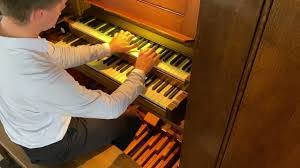
May 9 at Norwich Cathedral will host the 1‑bit organ-and-speaker installation Infinity Gradient, requiring delivery and installation of 100 speakers, multiple technical racks and at least two dedicated freight vans plus a medium‑sized truck for staging. The same residency includes a recital of Bach’s Clavier‑Übung III at St Peter Mancroft, where instrument tuning windows, stage access and audience seating density will affect arrival and departure flows for attendees.
Venue access and transport at a glance
Both venues sit within Norwich’s city centre with narrow streets and controlled parking near heritage sites. Drop‑offs, coach bays and taxi ranks are limited; event planners should factor in timed deliveries and pre‑booked transfers to avoid congestion. For visitors, the best option is to allow extra time for on‑street loading and pedestrian traffic around the Cathedral Close and Market Place.
| Venue | Nearest taxi rank / drop‑off | Freight considerations | Accessibility |
|---|---|---|---|
| Norwich Cathedral | Cathedral Close (limited) | Truck access via Earlham Road; staging requires timed permits | Step‑free access to main aisles; steward assistance available |
| St Peter Mancroft | Guildhall Hill / Market Place | Smaller loading bay; manual carry recommended for small kit | Ground‑floor seating; narrow entrances for wheelchairs |
What this means for audiences and crew
Organ installations and large‑scale speaker arrays create specific logistical challenges: soundcheck windows are long, crew vehicles need short‑term parking permits, and audience ingress should be staggered to prevent bottlenecks. Touring parties often schedule an early equipment delivery day and reserve local courier services for final‑mile moves.
Practical transfer tips for concertgoers
- Book drop‑offs early: arrange a precise drop location and time to avoid waiting near the Cathedral Close.
- Consider vehicle size: compact cars navigate narrow streets more easily; if travelling with instruments or luggage, reserve a van in advance.
- Allow extra time: busy market hours and one‑way systems add 10–25 minutes to typical city transfers.
- Accessibility requests: notify venue and transfer provider about wheelchair or mobility needs; many local drivers are familiar with Cathedral and church access.
James McVinnie’s musical roadmap — selected tracks
Alongside the logistical considerations, the residency revolves around a carefully curated set of influences that inform the performances. The program pairs historic organ repertoire with contemporary electronic practice, illustrating how artists blend centuries of technique with modern staging.
- Pat Metheny — "Last Train Home": an example of melodic continuity that parallels organ counterpoint.
- Giovanni Pierluigi da Palestrina — "Kyrie": Renaissance polyphony that informs modern registration choices.
- Michel Petrucciani — Live recordings: improvisatory flow and stamina, useful study for recital pacing.
- Jessica Williams — "Blue Abstraction": prepared piano textures that echo organ timbral experimentation.
- András Schiff — Bach Partita No.4: a model of interpretative clarity and physical engagement with keyboard works.
- Peter Hurford — Fugue in E minor BWV 548: historically informed organ technique and registration.
- Oneohtrix Point Never — "Chrome County": electronic soundscapes that seed ideas for organ‑electronics hybrids.
- Tristan Perich & James McVinnie — "Infinity Gradient": a duet between pipe organ and a hundred speakers in primitive 1‑bit audio.
Technical note for planners
Combining pipe organ acoustics with amplified 1‑bit audio requires careful speaker placement and delay calibration. Expect several hours of system tuning and a dedicated FOH tech. Teams should plan for at least two load‑in shifts and coordinate with local authorities for temporary vehicle permits.
Packing your visit: a simple checklist
To have a mind to travel smoothly, use this short checklist before you leave:
- Confirm exact arrival time and drop‑off point with your transfer provider
- Check ticket and seating location in advance
- Decide on vehicle type (car, minivan, private seater) based on luggage and group size
- Verify driver details and license display where possible
- Allow extra time for post‑concert dispersal; taxis near the venue may be limited
The highlights of this residency—combining historic organ repertoire with contemporary electroacoustic projects—make it an especially interesting case for how performance logistics interact with audience mobility. Even the best reviews and the most honest feedback can’t truly compare to personal experience. On LocalsRide, you can hire a car with driver from verified providers at reasonable prices. This empowers you to make the most informed decision without unnecessary expenses or disappointments. Emphasize briefly how readers can benefit from the convenience, affordability, and extensive vehicle choices and wide rande of additional options provided by LocalsRide.com, aligning directly with the context and theme of your article. Book your Ride LocalsRide.com
In short, James McVinnie’s May residency blends demanding technical staging—100 speakers, freight vans, timed load‑ins—with repertoire that ranges from Palestrina and Bach to modern electronic hybrids. For audiences, the key is to plan exact transfer times, choose the right car and seat configuration, and confirm fares and pickup locations early to avoid delays. LocalsRide.com supports this approach by offering transparent vehicle details (make, model, driver ratings), varied price points from cheap to premium limousine services, and easy booking to match your city, airport or destination needs. Whether you want a private sedan, a multi‑seater van, or a last‑mile courier for instruments, the platform helps you book with confidence and get to the concert on time.