

Rediscovering Philippine Watercolours at the V&A
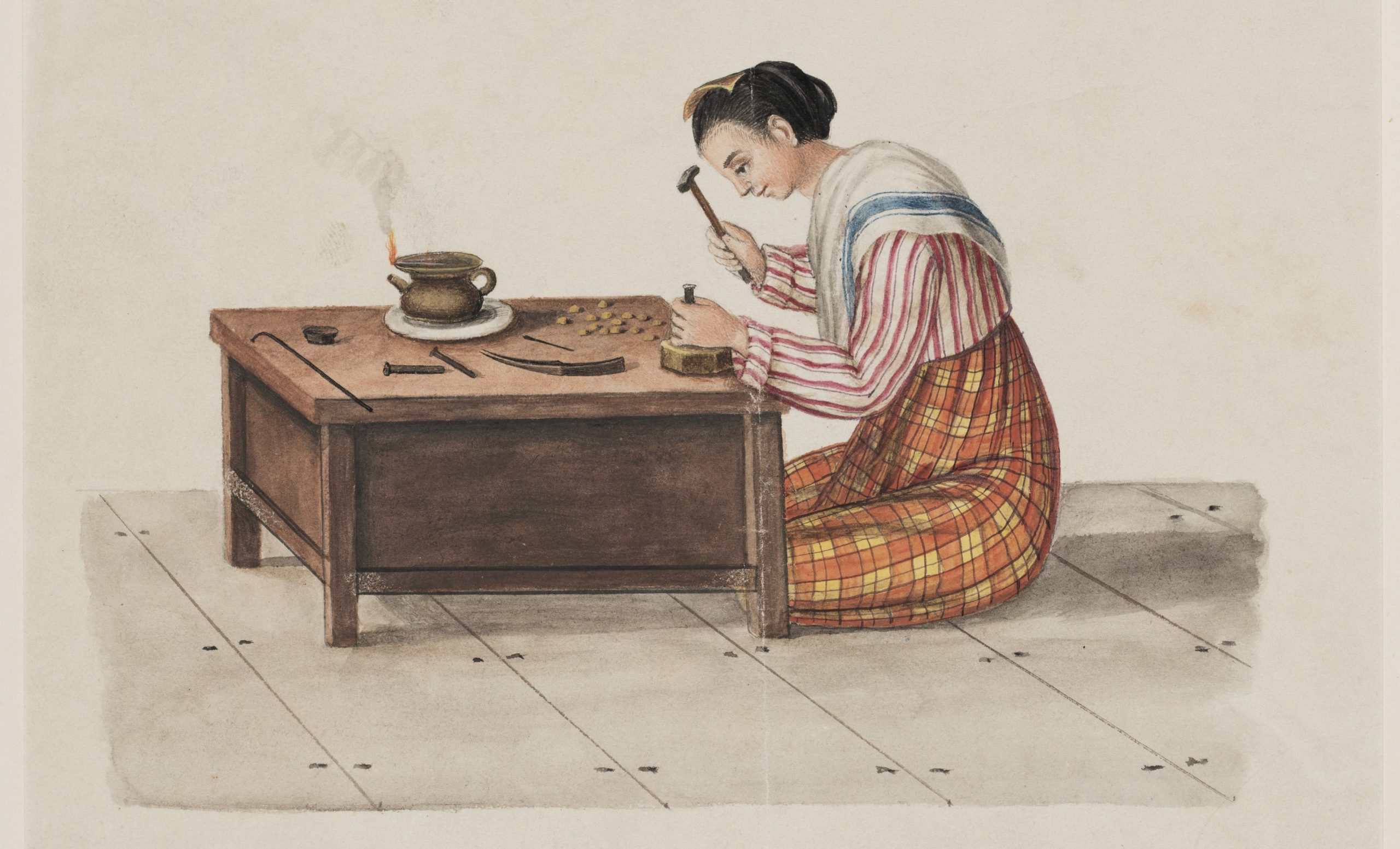
An intriguing collection of eight 19th-century Philippine watercolours at the Victoria and Albert Museum (V&A) offers a fresh glimpse into historical Filipino life, revealing nuances far beyond simple depictions of traditional costumes. These works, inscribed with Tagalog verses, breathe life into the figures portrayed, showcasing a vibrancy that shifts perspectives from the usual colonial gaze.
Historical Context and Origins
These watercolours, dating back to around the 1840s, arrived at the museum with very early accession numbers, suggesting they were among the first Southeast Asian artifacts in the V&A’s collection.
They originated from Manila, painted on British-made paper bearing an 1835 watermark, confirming their period. Interestingly, the set includes two styles: traditional watercolours and another set painted on a red background in a different technique but with identical inscriptions.
Tipos del País: More Than Just Costume Studies
The artworks fit into the “tipos del país” genre, popular in 19th century Manila under Spanish colonial rule. Typically, these ‘types of the country’ featured small, detailed images portraying everyday people in native dress. Foreign textile merchants and overseas travelers often collected these as exotic souvenirs.
However, unlike typical tipos del país that bear Spanish titles categorizing and oversimplifying subjects, these particular watercolours contain lively Tagalog captions. Written largely in first person and with a playful tone, they include rhyming verses that reveal the personalities and daily lives of the subjects—from a young man pretending to study, to a working woman complaining about being rushed.
| Aspect | Typical Tipos del País | V&A 19th Century Watercolours |
|---|---|---|
| Caption Language | Spanish titles, socio-ethnic classification | Tagalog rhyming verses, first-person narrative |
| Artistic Focus | Exotic costume portrayal | Personality, humour, social commentary |
| Purpose | Souvenirs, merchandise | Cultural narration, self-representation |
A Blend of Colonial Influences and Native Identity
These artworks are a testament to Manila’s 19th-century cultural complexity—a fusion of Eastern and Western influences. British-made paper and Spanish-origin inscriptions sit alongside native dress elements and the use of Tagalog language, reflecting layered histories of trade, colonization, and local identity.
Collaborative Cataloguing and the Importance of Many Voices
The task of cataloguing these paintings highlights the value of collaboration across departments and with communities connected to the artworks. For example, familiar objects within the museum’s broader Southeast Asian collection helped identify one subject as a betel-nut seller, correcting earlier inaccurate descriptions.
Support from Tagalog speakers enabled the deciphering of verses that are now included in public records. This kind of multi-vocal approach deepens understanding and respects the communities to which the works are meaningful.
Broader Academic and Public Engagement
All sixteen watercolours are accessible on the Mapping Philippine Material Culture platform, an open-access database for Filipino objects worldwide. This has sparked fresh research and discussions linking the artworks to artists like Justiniano Asunción, a student of celebrated painter Damián Domingo.
One work even depicts a female jeweller, hinting at varied women's occupations in 19th century Manila — a social detail often overlooked in colonial records.
Insights for Modern Cultural Representation and Transfers
These rediscovered watercolours remind us of the importance of authentic cultural representation—much like the growing demand today for personalized and transparent services in the travel world.
Just as these artworks placed Filipino voices front and center in a colonial context, modern platforms in the transportation industry, such as LocalsRide.com, empower travelers to choose their rides with transparency about the exact vehicle, make, model, and driver ratings. This marks a shift toward a more user-centered, honest experience, whether booking a taxi, private limousine, or transfer to the airport.
How Multi-layered Histories Enhance Travel Experiences
Understanding the layered stories behind cultural objects can parallel how travelers appreciate the local nuances of their destinations. Whether it’s selecting a trusted airport transfer or organizing a city tour, embracing the narrative behind the journey enriches the experience.
Why Personal Experience Adds Depth Beyond Reviews
While reviews and expert feedback provide valuable insights, nothing quite compares to firsthand experience. On LocalsRide, users can hire cars with drivers from verified providers offering reasonable prices. This allows for informed choices, avoiding unnecessary costs or disappointments.
With a vast selection of vehicles—from economy to luxury limousines—plus numerous additional amenities, LocalsRide stands out through its transparency and convenience, ensuring travelers worldwide can book their trips confidently. Get the best offers on LocalsRide.com.
Summary
The 19th-century Philippine watercolours at the V&A open a window into Manila’s complex cultural history, blending native voices with colonial influences. Far from mere costume studies, these works narrate lively, personal stories in Tagalog verse, challenging simplified outsider views.
The collaborative approach to cataloguing enriches museum records and connects artifacts to meaningful community narratives. This process of giving voice to diverse perspectives resonates today in sectors like travel, where transparency and user empowerment redefine service models.
Platforms like LocalsRide.com support this modern shift by offering detailed, user-friendly options to select airport transfers, taxis, and private drivers worldwide. They bring convenience, affordability, and detailed vehicle data to ensure seamless experiences from booking to arrival.