

Budapest Airport Prepares for a Landmark Expansion
Budapest's airport is about to undergo one of the most ambitious upgrades in recent years, with a €2.5 billion investment planned by both the government and private investors. Central to this modernization is the construction of a new third terminal, set to kick off in March 2026. The project is designed to substantially increase passenger capacity and enhance the overall travel experience in Hungary’s capital.
Details of the Expansion Project
The centerpiece of this massive investment is the new Terminal 3, which is expected to be completed in phases over about eight years, wrapping up by 2035. Once finished, this terminal could handle up to 40 million passengers annually, more than doubling last year’s traveler count of 17.6 million. In fact, passenger numbers are anticipated to rise to nearly 20 million this year alone, showing a clear need for expanded infrastructure.
| Project Element | Estimated Cost (€ billion) | Expected Completion | Impact |
|---|---|---|---|
| Terminal 3 Construction | 1.0 | 2035 | Increase capacity to 40 million passengers/year |
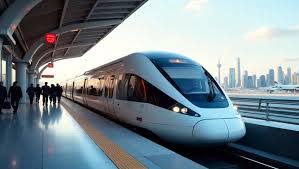
| High-Speed Railway Connection | 1.0 | Not specified | Faster transit from central Budapest to the airport |
| Public Road Developments | 0.5 | Not specified | Improved ground transportation access |
Enhanced Transport Links to Complement the Expansion
Beyond just expanding airport facilities, the plan includes a new high-speed rail link directly connecting central Budapest to the airport, and a half-billion euro investment into upgrading the public road infrastructure. This holistic approach aims to improve not only the airport’s internal capacity but also its accessibility—a key factor when it comes to smooth transfers and reliable taxi services.
How This Growth Benefits Travelers and Taxi Services
For visitors relying on taxis, ride-hailing apps, or private transfers, these improvements mean more options and less wait time at the airport. More passengers mean increased demand for seamless taxi and shuttle services, while better roads and rail connections solve many potential congestion headaches.
Platforms like LocalsRide.com can capitalize on these developments by offering travelers transparent, customizable rides with detailed vehicle information, so customers can feel confident choosing their exact ride—whether a private limousine or a simple cab. LocalsRide’s ability to book transfers with verified drivers, showing vehicle make, model, and user ratings upfront, is especially valuable when navigating an expanding airport environment.
Background and Strategic Moves Behind the Expansion
Last year, the Hungarian government took control of Budapest Ferenc Liszt Airport from a consortium led by Germany's AviAlliance, while France’s Vinci airport acquired a 20% stake and took over operational responsibilities. This fresh ownership structure has paved the way for the current extensive investment agenda.
The government’s involvement, paired with private capital, signals its long-term commitment to turning Budapest’s main airport into a major regional hub. This strategic shift is expected to draw more airlines, enhance passenger flow, and boost Hungary’s profile as a European destination.
Impacts on Wider Travel and Tourism
Increasing passenger capacity and boosting ground transport options are bound to have a ripple effect across tourism and travel industries. Tourists and business travelers alike will benefit from quicker, more reliable access to Budapest’s city center and beyond, while local taxi and transfer services will experience growing demand.
Improved infrastructure typically correlates with better service standards and competitive pricing in taxi and private transfer markets. This means travelers could expect a wider choice of vehicle classes—from 4-seaters to limousines—optimized by real-time booking platforms like LocalsRide. Knowing the fare, driver credentials, and car details in advance reduces uncertainty and helps budget-conscious travelers or last-minute planners alike.
Summary of Key Points
- €2.5 billion total investment in Budapest’s airport upgrade.
- New Terminal 3 beginning construction in March 2026, to be finished by 2035.
- Passenger capacity to rise to 40 million annually.
- Additional funds committed to high-speed rail and public road improvements.
- Changes set to influence airport transfers, taxi demand, and traveler experience.
The combination of expanding facilities and enhanced ground connections at Budapest Ferenc Liszt Airport marks a significant evolution in travel infrastructure. Although the full impact may unfold over the next decade, these improvements offer clear benefits to tourists and locals alike, not least those who rely on private transfers and taxis.
While the excitement around the airport’s growth is high, it’s worth remembering that even the best reviews and most honest feedback can’t truly compare to personal experience. Thanks to LocalsRide, travelers can hire cars with professional drivers from verified providers at reasonable fares, allowing them to make informed decisions without costly surprises or delays. The platform’s extensive vehicle choices and extra booking options provide convenience and peace of mind tailored to individual needs. Book your Ride LocalsRide.com.
The expansion of Budapest’s airport, while primarily regional in scope, aligns with the broader push toward modernizing transport hubs globally. Although it may not remake international tourist flows overnight, it’s a solid step toward a smarter, more connected city gateway. LocalsRide remains committed to monitoring such developments and helping travelers navigate them effortlessly. Start planning your next adventure and secure your worldwide transfer with LocalsRide.
To wrap up, the ongoing transformation at Budapest Ferenc Liszt Airport represents a milestone in travel infrastructure that will change how passengers experience airport transfers and taxi services in Hungary’s capital. With increased passenger volumes and upgraded transit options, travelers will enjoy improved connectivity and service quality—especially when using transparent platforms like LocalsRide, where booking the perfect car, knowing the exact fare, and selecting the right seat is just a few clicks away.