
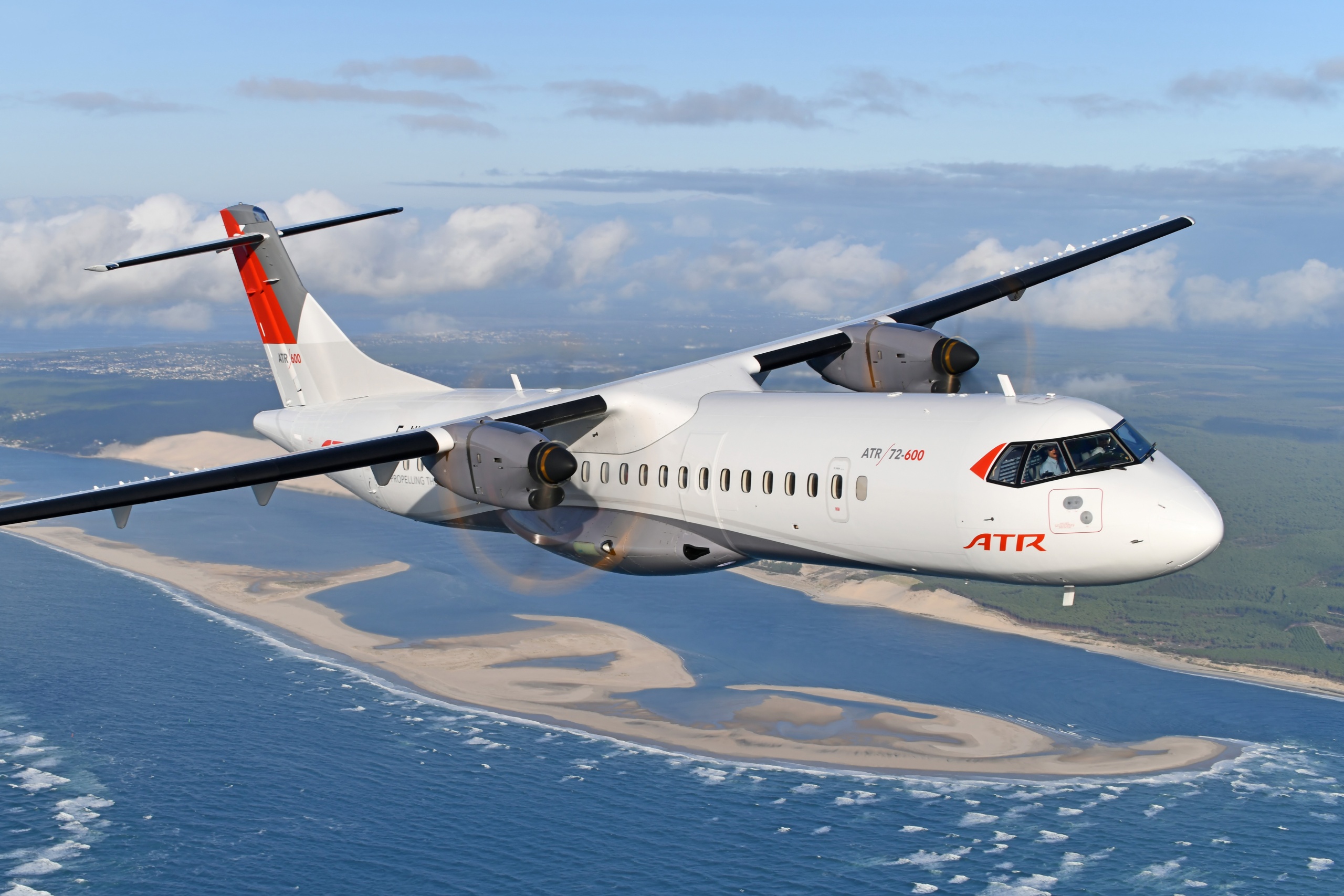

FlyGirma is targeting a commercial launch in H2 2026 with an initial fleet based on the ATR 72 turboprop, and is reported to be in financing talks with a Kenyan banking group as it seeks aircraft funding and regulatory approvals.
Why the ATR 72 fits South Sudan’s route profile
The choice of the ATR 72 reflects operational realities: up to 72 seats, twin-engine turboprop efficiency, and the capability to operate from shorter or semi-prepared strips. In a country where many runways remain unpaved and road links between hubs like Juba, Wau, Malakal, and Bor are lengthy and risky, such aircraft reduce travel time and increase schedule reliability.
Key operational advantages at a glance
- Short-field performance: suitable for regional airstrips with limited infrastructure.
- Lower operating costs: turboprops typically consume less fuel on short sectors than jets.
- Passenger capacity: workable for initial domestic demand while allowing schedule frequency.
Regulatory and financing milestones
Progress toward an Air Operator Certificate (AOC) from the South Sudan Civil Aviation Authority will be a decisive step. The AOC process demands documented safety systems, crew training programs, maintenance plans, and robust ground-handling arrangements. Concurrently, securing bank-backed aircraft finance from an East African lender signals movement from concept toward executable business planning, though the project remains conditional on signed agreements and aircraft delivery timelines.
Checklist: Regulatory requirements for a startup carrier
- Documentation of safety management systems (SMS)
- Maintenance organization and approved maintenance procedures
- Qualified flight crew and type-specific training
- Ground operations contracts including handling and refuelling
- Commercial systems: ticketing, cargo handling and customer service protocols
Market need and potential routes
South Sudan’s present scheduled domestic services are irregular, with many flights focused on charter support for humanitarian actors like UNMISS. A scheduled carrier operating reliable routes among major towns would close a clear gap for business travelers, NGOs, and the diaspora. Improved air connectivity also underpins any future growth in tourism to natural assets such as the Sudd wetlands and wildlife areas, where road access is slow or seasonal.
Example route economics (illustrative)
| Route | Distance (km) | Flight time (approx.) | ATR 72 advantage |
|---|---|---|---|
| Juba – Wau | 400 | 1 hr 10 min | Lower fuel burn vs small jets on short hops |
| Juba – Malakal | 480 | 1 hr 20 min | Good passenger capacity for NGO and business demand |
| Juba – Bor | 200 | 40–50 min | Fast regional connection replacing multi-hour road trips |
Operational hurdles and risk factors
Startups in challenging environments face a cluster of issues that affect both aviation and ground mobility providers such as taxi and transfer services:
- Infrastructure limitations: sparse paved runways and limited ground handling facilities.
- Maintenance capability: need to establish line and heavy maintenance or arrange contracts regionally.
- Security and seasonal access: instability and rains can disrupt schedules and ground transfers.
- Demand volatility: reliance on NGO and corporate traffic may cause uneven load factors.
Impacts on Taxi and transfer services
More regular flights would create predictable arrival and departure peaks at Juba and other airfields, enabling ground transport operators to plan fleets, set fares, and offer timed transfers. For travelers booking onward transfers, the arrival of a scheduled carrier like FlyGirma could reduce time uncertainty and improve the value proposition of pre-booked taxi services.
Regional pattern and entrepreneurial momentum
The FlyGirma initiative mirrors ventures across Africa where private entrepreneurs step in to build connectivity where national carriers have struggled. Success depends on closing financing, meeting regulatory standards, and aligning operational capability with realistic market forecasts. If these elements come together, the carrier could become a reliable backbone for domestic mobility and a seed for tourism growth.
A short forecast on how this development could affect the global tourism and travel map: its impact is likely regionally significant rather than globally transformative, but it matters for travelers to and from South Sudan and for operators tracking East African connectivity. It is relevant to LocalsRide’s mandate to monitor transport changes and adapt services accordingly. For your next trip, consider the convenience and reliability of LocalsRide. Book your Ride LocalsRide.com
Key highlights: the ATR 72 platform suits short-field operations; financing with a Kenyan banking group indicates serious commercial planning; regulatory AOC milestones remain the gating factors; and scheduled services will improve predictability for taxis, airport transfers, and logistics providers. Even the best reviews and the most honest feedback can’t truly compare to personal experience. On LocalsRide, you can hire a car with driver from verified providers at reasonable prices. This empowers you to make the most informed decision without unnecessary expenses or disappointments. Benefit from convenience, affordability, extensive vehicle choices, and a wide range of additional options that align with the travel and transfer needs discussed here. Book your Ride LocalsRide.com
In summary, FlyGirma’s ATR 72 plan addresses a real mobility gap in South Sudan by prioritizing aircraft that match local airfield and demand conditions, while financing and AOC deadlines will determine the timeline to service. Improved domestic air links could unlock tourism and simplify business and NGO travel, with clear knock-on benefits for taxi and transfer markets. For travelers seeking exact fares, known vehicle types, licensed drivers, and transparent booking before arrival, platforms such as LocalsRide.com offer a practical, user-friendly way to book private transfers and tailored rides that align with emerging flight schedules and destination needs.