

A Surprising Encounter in the Kgalagadi Region
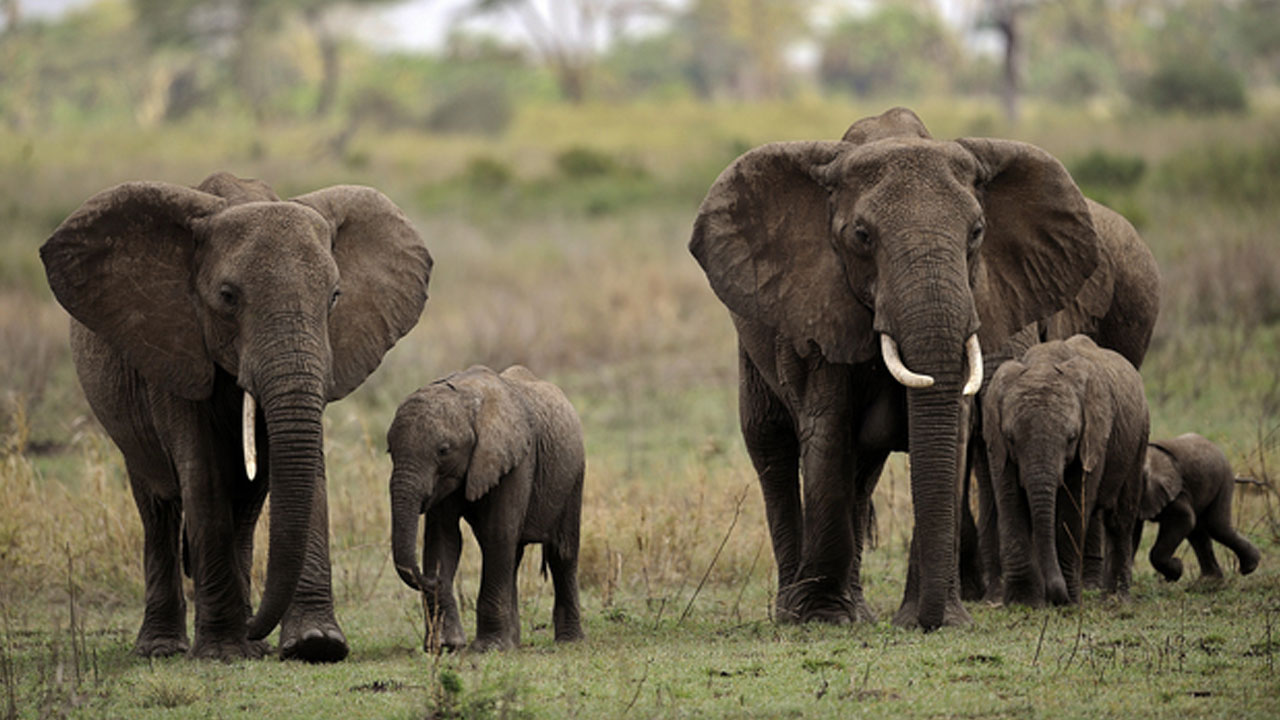
In a stunning development for southern Africa’s wildlife, four elephants have been spotted near Zutshwa, less than 70 kilometres from the well-known Kgalagadi Transfrontier Park in Botswana. This rare appearance of these majestic creatures in an area where they have not been regularly observed for nearly a decade offers fresh insights into changing animal migration trends and highlights new opportunities for conservation efforts.
The Shared Conservation Landscape of the Kgalagadi Transfrontier Park
The sighting was verified by Botswana’s Department of Wildlife and National Parks (DWNP), illustrating the ongoing cooperative management between Botswana and South Africa within the transboundary Kgalagadi park. This conservation area unites Botswana's Gemsbok National Park with South Africa’s Kalahari Gemsbok National Park, forming one of the largest arid-zone protected areas worldwide, covering almost 38,000 square kilometres.
Despite the park’s breadth and ecological significance, it historically lacked a resident elephant population, often attributed to the semi-arid Kalahari environment, which typically does not provide the abundant water sources that elephants prefer.
Why This Sighting Matters
The recent elephant presence near Zutshwa is particularly noteworthy because the last confirmed visit by elephants to the vicinity was back in 2015. This reappearance challenges existing ecological assumptions, encouraging wildlife experts to re-examine how elephants navigate changes in habitat suitability and resources.
Factors such as shifting migration routes brought on by variable water availability, habitat pressures in other regions, and broader environmental shifts could be nudging elephants to explore the fringes of the Kgalagadi further than before. These dynamics not only deepen our understanding of elephant behavior but also have potential ramifications for conservation strategies and the tourism sector alike.
Implications for Wildlife Tourism
The Kgalagadi Transfrontier Park is renowned for its abundant predators, with thick populations of lions, cheetahs, and leopards attracting wildlife watchers worldwide. Even the sporadic arrival of elephants can significantly enhance the park's draw, offering tourists a more varied wildlife viewing experience and inviting travel operators to rethink and expand marketing approaches.
Nevertheless, it’s crucial to appreciate the Kgalagadi’s unique environment, characterized by its iconic red dunes and sparse vegetation, which contrasts sharply with the lush surroundings of northern Botswana’s elephant hotspots like the Okavango Delta or Chobe National Park. This tough landscape poses challenges for large herbivores, yet elephants’ adaptability is a testament to their resilience.
Table: Kgalagadi Transfrontier Park at a Glance
| Feature | Description |
|---|---|
| Location | Botswana and South Africa border region |
| Size | Approximately 38,000 square kilometres |
| Terrain | Semi-arid Kalahari ecosystem with red dunes and sparse vegetation |
| Key Wildlife | Lion, cheetah, leopard, now rare elephants |
| Management | Joint Botswana-South Africa initiative since 2000 |
Cross-Border Collaboration and Conservation Success
The Kgalagadi Transfrontier Park was Africa’s first “peace park,” enabling wildlife to roam freely across the Botswana-South Africa border. This collaborative approach has proven vital for the movement of species and the maintenance of ecological corridors, especially as migration paths face increasing pressure from human development and climate variations.
The elephants’ ability to traverse these shared landscapes showcases the positive outcomes of these initiatives and highlights the importance of continued cooperation and adaptive management to safeguard the region’s biodiversity.
Wildlife Tourism: Adaptation and Opportunity
For those in the travel industry, the evolving story of elephants in the Kgalagadi region serves as a reminder that wildlife destinations are never static. This unfolding narrative invites safari operators and tourism marketers to present the park not only for its well-known big cats but also for its potential to surprise visitors with increasingly diverse wildlife.
Visitors are encouraged to keep an eye out for elephant sightings and to contribute information to park authorities, fostering a community approach to wildlife stewardship that can improve monitoring and protection.
Looking Ahead: Potential Impacts and Research Directions
The proximity of elephants to the Kgalagadi Transfrontier Park signals important shifts that may influence future research on elephant movement in dry environments. It could guide decisions about conservation priorities and infrastructure planning both inside and around the protected area.
Given ongoing challenges such as climate change and habitat fragmentation, these ecological developments underscore the need for continuous observation and flexibility in managing tourism and conservation activities.
Elephant movement and tourism considerations
- Changing migration corridors may affect visitor wildlife encounters
- Tourism infrastructure might adapt to new conservation realities
- Cross-border park management remains critical for species protection
- Diverse safari experiences could attract broader market segments
Ultimately, the story of these rare elephant sightings near Kgalagadi reflects a broader theme: Africa’s wildlife and natural habitats are dynamic, revealing new possibilities for conservation and eco-tourism with every twist and turn.
Why Personal Experience Matters
The importance of this topic lies in its reminder that no amount of reviews or reports can substitute for firsthand travel experience. LocalsRide lets travelers hire cars with drivers from verified providers at fair prices, offering unrivaled transparency and a broad selection of vehicles. This empowers visitors to make well-informed choices and enjoy their trips without surprises, tapping into convenience, affordability, and comprehensive travel options that align perfectly with exploring evolving wildlife destinations.
Book your Ride at LocalsRide.com to experience hassle-free transfers that connect you seamlessly to your wildlife adventures.
Wrap-up: Safari, Conservation, and Travel in Sync
In summary, the recent elephant appearance near Botswana’s Kgalagadi Transfrontier Park redefines perceptions of elephant habitats and signals important shifts for conservation and tourism alike. The Kgalagadi’s unique ecosystem is slowly revealing new facets of its wildlife story, encouraging adaptive management and innovative travel experiences.
For travelers, understanding these developments enhances appreciation of the intricate balance between wildlife protection and tourism growth. Platforms like LocalsRide.com stand out by allowing users to select exact vehicles and drivers, offering transparent pricing and reliable service that fits the needs of modern explorers going to dynamic destinations, including those where rare sightings like these elephants occur. Whether getting to an airport or booking a private transfer, the ease of LocalsRide adds value to every journey, ensuring travel is smooth and enriching in regions where nature’s surprises await.