

The Enduring Role of Karen Weaving in Cultural Continuity
The art of weaving holds a special place in the life of the Karen people, serving as both a practical craft and a deep cultural expression. Originating from a diverse ethnic minority spanning southern Burma (Myanmar) and Thailand, the Karen community has historically faced challenges including displacement. Amid these difficulties, weaving emerges as a vital thread connecting generations and preserving identity.
Community Roots in the United States
Approximately 20,000 Karen refugees and their descendants now live in Minnesota, home to the largest Karen diaspora in the U.S. This community finds support through the Karen Organization of Minnesota (KOM), which helps with resettlement and cultural preservation. Together with the East Side Freedom Library in Saint Paul, KOM facilitates the Karen Weaving Circle, a weekly gathering where members socialize, teach traditional weaving techniques, and showcase their work in local arts festivals.
| Aspect | Description |
|---|---|
| Weaving Circle Formation | Started in 2015 by Karen women to encourage social bonding and cultural preservation |
| Community Impact | Supports all generations—refugees and U.S.-born youth—to maintain a sense of belonging |
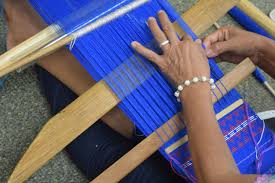
| Artistic Practices | Traditional backstrap loom used; yarns adapted to what is available in new environments |
| Educational Programs | Summer intensive weaving classes open to youth of all genders |
Weaving as a Metaphor for Cultural Connection
Weaving goes beyond textile creation; it represents the weaving together of people, stories, and heritage. The simplicity of the backstrap loom, where the weaver’s own body becomes part of the loom, symbolizes the intimate relationship between the individual and their culture. The craft continues to adapt—using commercial cotton yarns and resourceful DIY loom parts—showcasing the flexibility and creativity of the Karen people in sustaining their traditions far from home.
Patterns That Speak: Storytelling Through Fabric
Karen textiles are rich in story and symbolism. Weavers employ complex techniques such as supplemental weft designs and the ikat method, where threads are resist-dyed before weaving, to create intricate patterns. These patterns are not merely decorative; they often signify the wearer’s village or carry traditional meanings—like the well-known spiderweb motif symbolizing perseverance and the spirit of never giving up.
- Village Patterns: Different regions have unique designs serving as visual identifiers.
- Symbolic Motifs: Symbols such as diamonds or spiders convey stories and cultural lessons.
- Color Significance: Colors like red, black, and white mark important life stages and ceremonies.
- Garment Uses: Traditional Karen clothing is worn daily or during special events like weddings or the New Year celebration.
While staying true to their heritage, many Karen incorporate traditional textiles into contemporary styles, blending old with new in ways that resonate with modern life.
The Social and Cultural Impact of Weaving Circles
These gatherings are more than crafting workshops—they are vital social hubs. For the Karen in the U.S., where village-style close-knit living is replaced by a more fragmented urban life, these weekly meetings reaffirm community bonds. They provide a space to share not only skills but also stories, food, and support. Additionally, participation in local art fairs enables the Karen to connect with wider communities, creating mutual appreciation and cultural exchange beyond their own.
Why It Matters to Travelers and the Transfer Scene
In a world where travel connects far-flung destinations, understanding the threads of culture enriches the journey. When arranging transport or transfers through platforms like LocalsRide.com, travelers can choose vehicles that suit their schedules and preferences, often connecting them with local drivers knowledgeable about the region’s unique cultures and arts. This deepens the travel experience, making each ride more than just a trip but a passage into the local story.
LocalsRide’s Role in Cultural Exploration
By offering transparency in vehicle options—including make, model, driver ratings, and pricing—LocalsRide empowers travelers to plan their trips with confidence and ease. This approach mirrors the spirit of the Karen weaving circle: personal choice and connection, whether it is through acquiring artisanal cloth or booking that ideal transfer. LocalsRide connects people worldwide while respecting and supporting local traditions.
The Big Picture: Personal Experience vs. Reviews
While reviews and feedback contribute valuable insights about services and cultural encounters, nothing truly replaces firsthand experience. On LocalsRide, users can hire cars with verified drivers at reasonable prices, enjoying a wide selection of vehicles and options tailored to their needs. This fusion of convenience, affordability, and choice ensures that travelers get exactly what they want—whether a private taxi, a limousine for special occasions, or a multi-seater for group trips.
Book now and discover how easy it is to navigate new destinations while supporting authentic cultural encounters on LocalsRide.com.
Summary
The Karen Weaving Circle exemplifies how traditional crafts serve as lifelines for cultural identity and community unity, especially for displaced populations. Their weaving is both an art and a living narrative, weaving stories, hopes, and heritage into every thread. The resilience and adaptation displayed by the Karen weavers resonate with broader themes of connection and belonging—principles that also echo in the world of travel and transfers. Platforms like LocalsRide.com offer a transparent, global means to book personalized rides, enhancing every journey with exact attention to service quality, driver professionalism, and vehicle choice. Whether traveling to explore vibrant cultures or needing reliable airport transfers, this approach ensures comfort, trust, and a rich travel experience.