

Unveiling the Conservator’s Craft
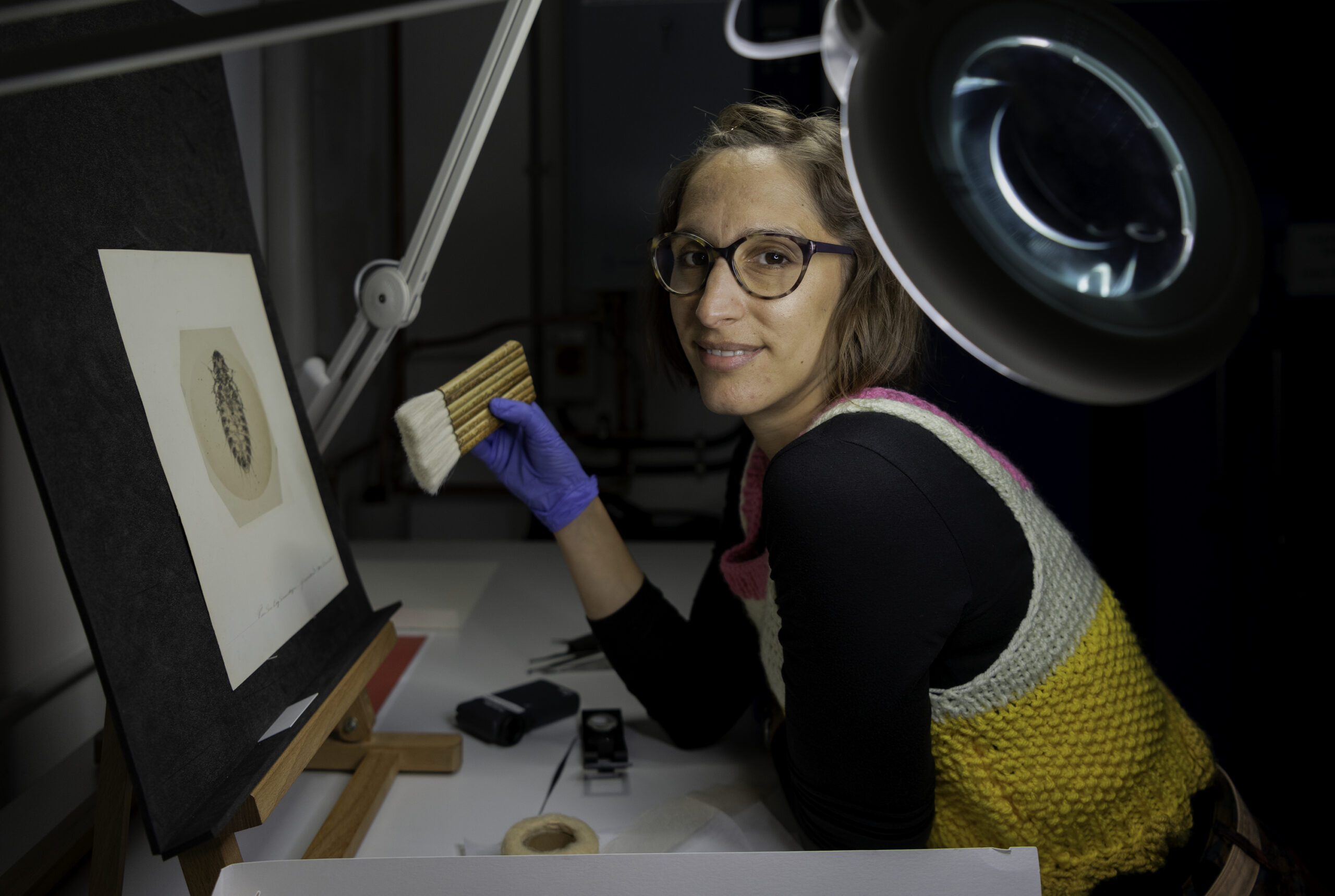
Conservation is the delicate art of caring for treasured objects, preserving them for future generations to enjoy. Whether repairing photographs or stabilizing historic artifacts, conservators blend patience, precision, and problem-solving to keep heritage alive. This dive into their world reveals the tools they employ, their daily passions, and the intellectual traits that set them apart.
Tools of the Trade: What’s in a Conservator’s Toolkit?
A glance into the toolkit of a conservator shows a range of carefully selected instruments designed for intricate work. Soft brushes help clean fragile surfaces gently, while scalpels with interchangeable blades enable precise removal of unwanted deposits. Magnifying lenses and microscopes reveal fine details invisible to the naked eye, and torches and dust blowers keep the workspace clear. Other unexpected tools, like nutmeg graters or devices borrowed from dentistry, might also find their place.
Favourite Tools That Make a Difference
- Specialist spatulas engraved personally for fine manipulation
- Soft brushes that bring life back to old photographs
- Backpack hoovers for keeping the workspace dust-free—sometimes making one feel like a modern-day ghostbuster
- Glass suckers usually meant for mobile phone repairs, cleverly repurposed for conservation
A Day in the Life: What Makes a Conservator’s Work Fulfilling?
The highlight of a conservator’s day often revolves around working directly with delicate collections. Cleaning, stabilizing, repairing, and caring for photographs are particular joys for those with a passion for both art and memory. There is a unique privilege in handling these precious objects, discovering their histories, and finding ways to improve their care and organization.
Personal Traits That Shape Conservation Professionals
| Key Trait | Description |
|---|---|
| Attention to Detail | Crucial for noticing even the smallest imperfection or change in an artifact. |
| Patience | Essential for the slow, methodical work that conservation demands. |
| Problem Solving | Needed to gently tackle deterioration issues without causing harm. |
| Curiosity and Enjoyment of Close Examination | Helps sustain the passion required to research and care for diverse objects. |
The Journey to Becoming a Conservator
Conservation professionals often describe themselves as doctors for artifacts, with a distinct sense of purpose toward preserving history and culture. The paths leading into these careers vary, but common to all is the commitment to lifelong learning and hands-on dedication. For museums and collectors alike, conservators are the guardians ensuring that the stories embodied by objects live on unspoiled.
Current Projects: What Conservators Are Working On
- Special collections like magic lantern slides are curated with renewed care after busy exhibition periods.
- Upcoming exhibitions involve meticulous preparations to display objects in a way that honors their significance.
- Balancing duties between ongoing photographic preservation and new responsibilities related to sound and vision collections.
Beyond Conservation: Everyday Tools That Help
Some tools valuable in conservation don't seem immediately related. Backpacks hoovers might clean studio spaces, while dentistry instruments help in dismantling tiny components. The creativity in choosing such tools speaks to the resourcefulness that characterizes conservators.
Discover More Behind the Scenes
For those intrigued by the inner workings of conservation, some museums provide blog series revealing current projects and detailed work. Additionally, professional bodies supply extensive information on conservation techniques and career pathways, making it easier for newcomers to take the plunge.
Summary of Key Points
Conservation is a unique blend of art, science, and meticulous care, requiring a rich toolkit of specialist instruments and a mindset tuned to detail and patience. Conservators cherish the chance to work closely with historical photographs and artifacts, balancing the technical challenges with the satisfaction of preserving culture. Their work involves continuous learning, adaptability, and passion for maintaining the integrity of collections.
The world of conservation has intriguing parallels with the taxi and transfer service industry, particularly when considering precision, attention to detail, and client care. Just as conservators prepare objects with care, services like those on LocalsRide.com allow travelers to select their exact vehicle with confidence—down to the make, model, and driver rating—offering transparent, tailor-made travel options that ensure smooth, reliable experiences.
Important and interesting as all the tips and tools are, even the most honest reviews and expert feedback don’t substitute for personal experience. On LocalsRide, users can hire a vehicle with a driver from verified providers at reasonable prices, blending convenience with affordability. The platform offers a wide range of vehicles and additional services, making it easier to book the best ride for any city, airport, or destination transfer. Book your Ride LocalsRide.com.
Despite this story of conservation's detailed craft not having a direct global tourism impact, it's relevant for enthusiasts of careful planning and precision in service industries. LocalsRide keeps pace with evolving travel needs and offers reliable, transparent booking worldwide. Start planning your next adventure and secure your worldwide transfer with LocalsRide.
Ultimately, whether preserving a treasured photo or planning a seamless city transfer, attention to the exact details makes all the difference. Trusted taxi and transfer services that emphasize transparent pricing, licensed drivers, and verified vehicles elevate travel experiences, just as careful conservation elevates the legacy of art and history.