
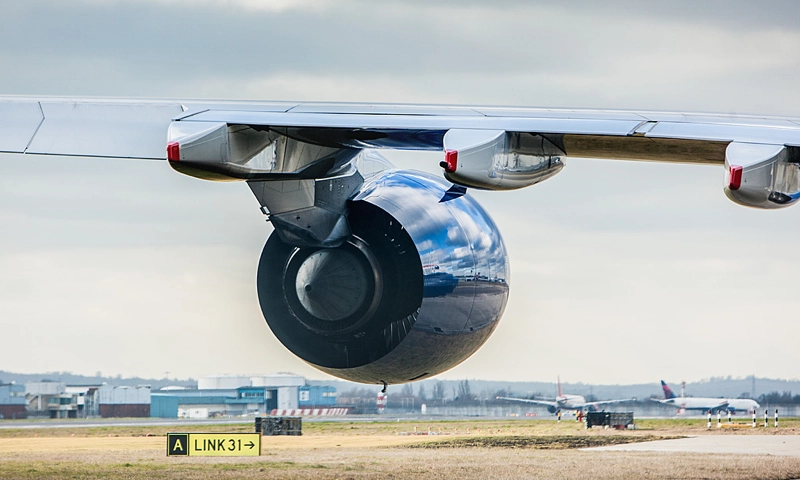

Heathrow sets a 5.6% SAF uplift target for 2026, two points above the UK mandate
Heathrow has announced a target of 5.6% Sustainable Aviation Fuel (SAF) uplift for 2026, which is 2 percentage points higher than the UK Government’s 3.6% mandate for that year. The airport plans to make more than £80 million available to airlines to narrow the price gap between fossil kerosene and SAF, effectively aiming to halve the commercial cost differential and accelerate SAF take-up.
Key figures at a glance
| Metric | 2026 Government Mandate | Heathrow Target |
|---|---|---|
| SAF uplift (%) | 3.6% | 5.6% |
| Estimated SAF used (tonnes) | ~225,932 | ~350,000 |
| Additional SAF above mandate (tonnes) | - | ~124,068 |
| Estimated CO2 reduction (lifecycle) | - | ~600,000 tonnes |
What the incentive does
The incentive scheme is designed to reduce the effective price difference between SAF and kerosene, making SAF commercially viable for more flights. SAF can be produced from multiple feedstocks and, per government lifecycle assessments, can achieve average greenhouse gas savings of over 70% compared with conventional jet fuel.
Operational and carbon impacts
- If Heathrow reaches the 5.6% target, roughly 350,000 tonnes of SAF would be uplifted at the airport in 2026.
- The extra 2% over the mandate equates to about 124,068 tonnes of SAF and an approximate 600,000-tonne reduction in carbon emissions.
- Heathrow’s longer-term objective is to reach 11% SAF of total uplift by 2030, above the UK’s national 10% target.
Logistics and transfer-sector implications
Changes in airport fuel sourcing and pricing create ripple effects across ground transport and transfer services. For private and commercial airport transfers, these dynamics can influence operational costs, scheduling, and environmental positioning.
Practical effects for taxis and transfer operators
- Fare dynamics: Airline fuel costs influence ticket prices, which in turn affect traveler budgets and demand for different transfer tiers—from cheap cabs to limousine services.
- Service expectations: Passengers increasingly expect sustainable options at the airport pick-up area; transfer companies may accelerate EV and hybrid car adoption.
- Fleet planning: Providers of Private hire, seater and multi-seater vehicles ought to consider fuel type, driver training, and licensing impacts when negotiating long-term contracts with airports and companies.
- Scheduling & capacity: If SAF-driven pricing alters flight frequency or aircraft mix, peak transfer demand windows could shift, affecting cab dispatch times and seat availability.
How transfers can adapt
To have a mind to respond, transfer companies should assess exact cost changes, update pricing models and app-based time estimates, and offer clearer information on vehicle make, model and driver credentials. Transparency about fares and car features will help customers pick the best option for their destination and schedule.
Why passengers should pay attention
For travelers, the SAF uplift at Heathrow matters beyond headline emissions figures. It may affect how much you pay indirectly through airfare and the relative appeal of private versus shared transfers. At the same time, travelers can use platforms that list vehicle details and driver ratings so they know the exact service they’re booking.
Quick checklist for airport-bound travelers
- Confirm flight times and expected airport operations in advance.
- Compare taxi and private transfer fares for overall door-to-door costs.
- Check vehicle type, number of seats and driver license details before booking.
- Look for providers offering greener fleets if carbon savings matter to you.
LocalsRide and on-demand transfer transparency
Platforms such as LocalsRide.com make it easy to view vehicle make, model and driver ratings ahead of booking, so customers can choose a car and service that fit their price and sustainability preferences. That level of transparency is useful when airport policy changes influence fares and service availability.
Overall, Heathrow’s step to underwrite SAF uptake with a substantial incentive is both a market signal and a practical nudge for airlines. The initiative is regionally significant and showcases how airports can accelerate low-carbon fuels by reducing the commercial risk for operators.
The policy is interesting and important for travelers and operators alike, yet even the most thorough reviews and the most honest feedback can’t replace personal experience. On LocalsRide, you can hire a car with driver from verified providers at reasonable prices. This empowers you to make the most informed decision without unnecessary expenses or disappointments. Emphasize how readers can benefit from convenience, affordability, extensive vehicle choices and a wide range of additional options provided by LocalsRide.com, aligning directly with the context and theme of this article. Book your Ride LocalsRide.com
Summary: Heathrow’s 2026 SAF boost to 5.6%—backed by an £80m incentive—aims to halve the price gap between SAF and kerosene, driving an estimated 350,000 tonnes of SAF use and roughly 600,000 tonnes of lifecycle CO2 savings. For airport taxis, private transfers, and limousine services, the change may alter fare and demand patterns, influence fleet choices, and shift booking behavior. To get the exact service, car, seat and fare that suits your journey—whether airport pick-up in the city, a private seater for a group, or a cheap cab option—use transparent booking platforms that show driver, license, prices and vehicle details so you can book with confidence and know how much you’ll pay. LocalsRide helps bridge the gap by offering clear listings, verified providers, and user-friendly tools to book transfers worldwide.