

Access and transit to the gallery
Taxi and rideshare transfers from Philadelphia International Airport to the Penn Museum typically take 25–40 minutes depending on traffic; timed-entry crowds for featured exhibitions concentrate passenger drop-off and pick-up at curbside points near the museum’s main entrance. For visitors planning a museum run, these transit details affect arrival windows, luggage handling, and how to transport small purchases or fragile souvenirs back to an airport, hotel, or another destination.
Highlights at a glance
The new Native North America Gallery presents contemporary pieces alongside ancient objects; the following seven works exemplify how living traditions intersect with museum display, conservation, and transit logistics.
| Work | Artist | Materials | Notes for visitors |
|---|---|---|---|
| Emerging from Raven | Preston Singletary (Lingít) | Glass, traditional formline | Fragile; allow extra time if photographing; avoid bulky bags at the display |
| I Am More Than Fluff | Holly Wilson (Delaware Nation/Lenape) | Bronze, glass, feathers | Textured materials requiring careful conservation |
| Halibut Hook | Jonathan Rowan (Lingít) | Alaskan yellow cedar, Pacific yew | Small, carved; good example of functional object on display |
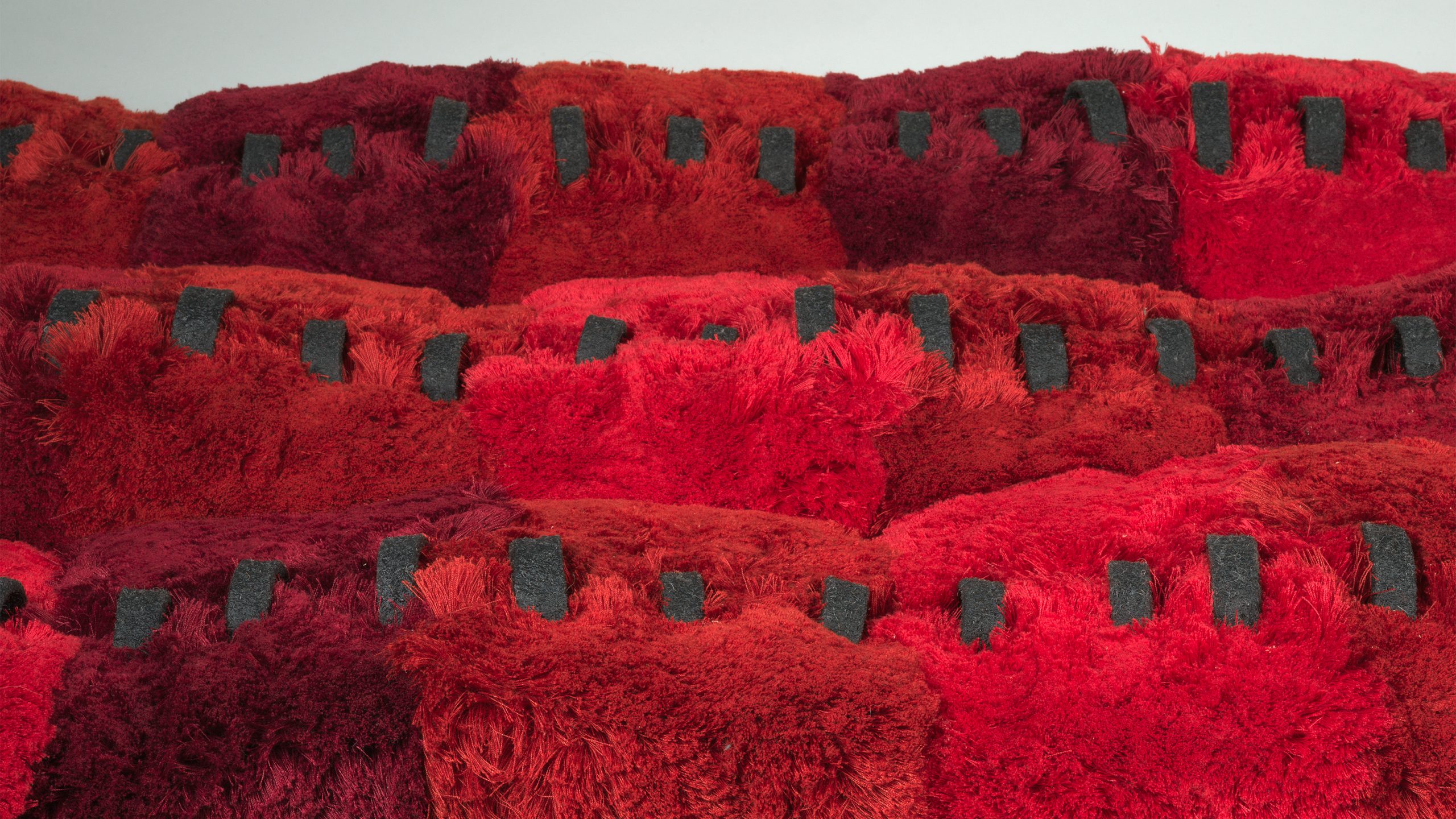
| Parceled Space #2 | Brenda Mallory (Cherokee Nation) | Felt, thread spools, wood panel | Conceptually dense; consider gallery labels for context |
| Pot Ring | Christopher Lewis (Zuni Pueblo) | Yucca, willow | Ethnographic continuity—items once used in daily life |
| Ovoid Earrings | Vina Brown (Haíłzaqv Nation, Nuučaan̓uɫ) | Beadwork, silver (displayed with historic jewelry) | Jewelry highlights identity and scale—easy to miss in crowds |
| Dancing Bears Wood Carving | Charlie Watty (Eastern Band Cherokee) | Walnut, butternut, cherry | Carvings reward close, unhurried viewing |
Artist snapshots
Preston Singletary (Lingít)
Singletary fuses Northwest Indigenous formline design with studio glass techniques he learned working with Dale Chihuly and at Pilchuck. Emerging from Raven places a mythic figure at the center of a modern craft tradition, and its glass surface and scale demand extra care during transport and display.
Holly Wilson (Delaware Nation/Lenape)
Wilson assembles narrative materials—poplar, cedar, steel, nylon—into a patchwork sensibility. Her I Am More Than Fluff uses feathers and metal to challenge static perceptions of Native identity; such mixed media often requires specific microclimate control in galleries.
Practical notes: moving, viewing, and booking
How fragile art affects transfers
- Packaging and seat choice: Small, fragile works travel best in a padded case on the back seat, not in a trunk subject to shocks.
- Vehicle selection: A private car or small van with climate control and flat, stable cargo areas reduces vibration risk for delicate acquisitions or loans.
- Driver briefings: Let the driver know about stops, museum loading zones, and required permits to avoid delays during narrow museum pickup windows.
Visitor tips
- Check timed-entry and arrive early if photographing Emerging from Raven or detailed carvings.
- Travel with a compact, padded tote for small purchases like reproductions or jewelry.
- Request curbside drop-off when booking a transfer to shorten the walk and safeguard fragile items.
Why contemporary Indigenous work matters for travel logistics
Contemporary pieces—from carved halibut hooks to glass formline sculpture—underscore that museums now host objects created under modern production and shipping realities. That shift changes conservation needs, courier requirements, and the way visitors plan transfers to and from exhibitions. Small details—exact location of the drop-off, whether a vehicle has a spare seat for a padded case, or the price and license credentials of a provider—matter when art and travel intersect.
The most important and interesting takeaways are the gallery’s blend of past and present, the range of materials on display, and how transportation logistics influence visitor experience and the care of objects. Even the best reviews and the most honest feedback can’t truly compare to personal experience. On LocalsRide, you can hire a car with driver from verified providers at reasonable prices. This empowers you to make the most informed decision without unnecessary expenses or disappointments. Emphasize briefly how readers can benefit from the convenience, affordability, and extensive vehicle choices and wide rande of additional options provided by LocalsRide.com, aligning directly with the context and theme of this article. Book your Ride LocalsRide.com
In summary, the Native North America Gallery offers seven contemporary works that bridge ancestral practices and modern mediums; their materials and display requirements have practical implications for how visitors plan transfers, choose vehicles, and safeguard purchases. Whether you need a taxi to the museum, an airport transfer, or a private car with space for a fragile piece, having the exact service, verified driver and transparent fare information saves time and worry. LocalsRide.com supports that need by providing a global, user-friendly solution for booking personalized transfers, trips, and deliveries, with clear details about the car, make and model, and provider ratings to help you decide the best option for your next museum visit.