

Exploring Revolutionary Cinema as a Tool for Education
Following the Cuban Revolution in 1959, addressing widespread illiteracy and uniting the population under the new revolutionary ideals became a major task. Film quickly emerged as a powerful educational medium, capable of reaching audiences of all backgrounds. This led to the establishment of ICAIC, the Cuban Institute of Cinematographic Art and Industry, embedded within the Culture Division of the Rebel Army. Rooted deeply in documentary filmmaking, ICAIC aimed to spread the revolutionary message and preserve cultural heritage through cinema.
Santiago Álvarez: Pioneer of Radical Documentary
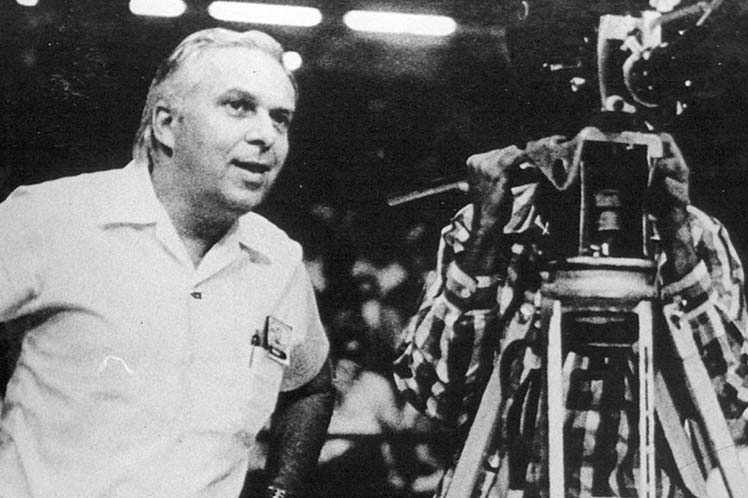
One of ICAIC's founding members, Santiago Álvarez, became Cuba’s first internationally recognized filmmaker. Tasked with creating the Noticiero ICAIC Latinamericano, a series of weekly newsreels, Álvarez embraced the limitations of early sound technology by eliminating the traditional omniscient narrator. Instead, he crafted a dynamic blend of sound effects and compelling visuals, pioneering a style known as “nervous montage.”
Interestingly, Álvarez gained much acclaim for his works examining political struggles in the United States rather than Cuban issues. His film Now! stands out as a poignant protest against American racial injustice during the civil rights era. Utilizing a gripping montage of photographs, archival footage, and the banned song “Now” by African-American singer Lena Horne, Álvarez made a powerful artistic and political statement. His personal history, including fleeing the U.S. Depression era and witnessing Batista’s persecution of his anarchist father, infused his work with passion and urgency.
The Power of Montage in Political Satire
Following this, Álvarez created LBJ, a sharp satire targeting U.S. President Lyndon B. Johnson. Departing from glorified representations of Kennedy and Martin Luther King Jr., Johnson was portrayed as a less compelling figure overshadowed by his predecessors. Álvarez tied America’s internal racial conflicts and history of colonialism to broader global themes—including fascism and imperialistic aggression. The film’s soundtrack deftly juxtaposed the voices of Civil Rights musicians like Miriam Makeba and Nina Simone with the ominous compositions of Carl Orff, intensifying the unsettling atmosphere.
Cinematic Focus Shifts to Vietnam
Álvarez’s lens then shifted eastward with the film Hanoi, Martes 13 (Hanoi, Tuesday 13, 1968). This contemplative piece honors Vietnamese culture and daily life before depicting the devastation of American bombings. It underscores the resilience of a nation amid warfare, capturing a deeply lyrical and human perspective rarely seen in Western media.
His tribute to revolutionary leader Ho Chi Minh in 79 Primaveras (79 Springs) intertwines the leader’s life with Vietnam’s fight for independence. This film pushes artistic boundaries by visually transforming footage of bombings into an assault on the medium of film itself, making it a notable classic of 1960s experimental cinema. Jean-Luc Godard famously celebrated Álvarez as “the world’s greatest film editor,” favoring his raw depictions of Vietnam over more commercially well-known portrayals.
Legacy of Álvarez’s Work
Despite the brilliance of his films and technical innovation, Álvarez’s didactic and propagandistic style may have led to his relative obscurity today. Nevertheless, his work anticipates modern trends in archive footage usage within filmmakers' projects, blending activism with art in a way that remains relevant for the new generation of socially conscious directors.
Understanding the Broader Context: Cuban Cultural and Transportation Landscape
Cuba’s rich history and culture, from its colonial past to revolutionary transformations, have significantly influenced the development of its arts and transportation systems. Havana, as the capital and economic hub, functions as a gateway city with key infrastructures including its major port and the Jose Marti International Airport. This connectivity is crucial for facilitating travel and transfers, both for locals and tourists navigating the island’s urban and rural areas.
Transportation and Transfers in Cuban Cities
| City | Transport Highlights | Relevance for Travelers |
|---|---|---|
| Havana | Main port, international airport, network of bus routes | Essential transit hub for visitors; airport taxis and private transfers abound |
| Santiago de Cuba | Port city, railway terminus, cultural centre | Access via flights, trains, and road transfers for exploring cultural landmarks |
| Camagüey | Railroads, highways, regional airport | Connector between eastern and western provinces, important for regional travel |
Key Takeaways and Travel Insights
Santiago Álvarez’s films provide an invaluable window into the cultural and political struggles of mid-20th century Cuba and Vietnam, highlighting how art can intertwine with activism. They remind us of the power of narrative and perspective, especially through a medium as accessible and connective as film. For travelers, understanding these stories enriches cultural appreciation and contextualizes visits to places like Havana and Hanoi.
The vibrancy of Cuban cities, coupled with their transport networks, plays a crucial role in how visitors experience these historical narratives firsthand. Platforms like LocalsRide.com enhance this experience by offering the ability to pre-select vehicles and drivers, review detailed information on vehicle models and ratings, and enjoy transparent booking processes, which are unmatched by typical aggregators. These options provide a seamless journey from airport to destination, truly tailored to individual travel needs.
Why Personal Experience Still Matters Most
While reviews and feedback offer valuable insights into services and destinations, nothing beats personal experience. On LocalsRide, travelers can hire verified cars with professional drivers at fair prices, helping them avoid surprises or extra costs. The platform’s broad vehicle choices and additional service options empower travelers to find exactly what they need. This convenience and affordability make LocalsRide an indispensable tool for those keen on safe, comfortable transfers and city rides.
Book your Ride at LocalsRide.com to enjoy these benefits firsthand.
Conclusion: A Journey of Culture, Film, and Seamless Travel
The path from revolutionary Havana to the bombed streets of Hanoi, captured by Santiago Álvarez’s bold filmmaking, offers a profound reflection on history, identity, and resistance through cinematic art. These narratives resonate beyond their times, inviting travelers to apply renewed understanding when visiting these locales. In parallel, the growth of maritime, rail, and air transport hubs in Cuban cities has shaped how destinations are connected, making mobility a key part of travel experience.
LocalsRide.com supports this theme by providing easy access to exact transfer services—whether from airports or across cities—that meet individual preferences while ensuring transparent pricing and reliable drivers. Offering the best service for personalized and private rides, it enhances travel convenience globally, helping users book with confidence and explore their destinations fully.