

Unearthing Stories at the V&A: African Heritage in Focus
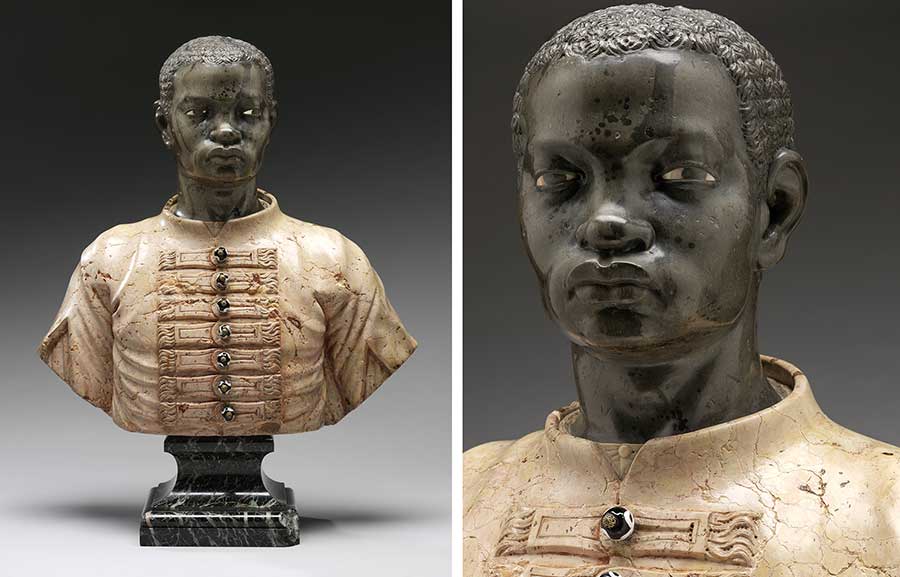
The Victoria and Albert Museum (V&A) has long offered visitors pathways to explore African heritage through carefully curated tours presenting selected objects rich in history and meaning. Two notable pieces—the Bust of a Young Man and the Bust of a Child—have recently been reinterpreted and placed more prominently, inviting fresh perspectives and deeper engagement with their stories.
The Role and Evolution of Interpretation in Museums
Interpretation in museum contexts goes well beyond mere labels; it’s a dynamic process of communicating stories, shaping visitor understanding, and highlighting diverse voices and perspectives. It governs how galleries are organized, what themes receive attention, and what digital or interactive elements support the narrative.
Since museums carry institutional authority, their words and presentations are far from neutral—they reflect ongoing research and changing sensitivities, especially concerning historical subjects linked to complex colonial pasts. Keeping interpretations current and thoughtful ensures accessibility and relevance to contemporary audiences.
Delving into the Sculptures: The Busts at a Glance
The Bust of a Young Man, dating from the late 1600s or early 1700s, likely originated from a grand Venetian palace, Ca’ Rezzonico. Unlike many contemporary European sculptures of African figures, this bust does not depict servitude or bear symbols like shackles or collars, often used to signify enslavement and reinforce racial hierarchies. Instead, it presents a dignified, individual portrait that stands out for its absence of stereotypical markers.
The Bust of a Child, crafted around the 1700s, is attributed potentially to Flemish artist Joannes Claudius de Cock, although multiple similar busts exist, maybe from different artists influenced by his work. Like the Young Man bust, it lacks the common attributes of enslavement, showing instead a more naturalistic and sensitive depiction.
| Detail | Bust of a Young Man | Bust of a Child |
|---|---|---|
| Approximate Date | Late 1600s - Early 1700s | 1700s |
| Possible Artist | Unknown | Joannes Claudius de Cock or inspired artists |
| Location Origin | Ca’ Rezzonico, Venice | Uncertain, Flemish style |
| Depiction Style | Dignified, no signs of servitude | Naturalistic, sensitive likeness |
| Attributes of Enslavement | None present | None present |
The Human Element and Historical Complexity
Both sculptures feature lifelike detail suggesting the figures were modeled on real people, quite possibly enslaved individuals, though their identities remain lost to time. This presents an emotional and intellectual challenge—intimate portraits of unknown lives layered with a history of exploitation.
Writing labels for such objects involves condensing intricate histories and acknowledging knowledge gaps while inviting diverse interpretations. The labels avoid rigid narratives, recognizing that these pieces embody European perspectives on African presence but also offer emotional reminders of often-silenced histories.
How This Shapes Visitor Experience and Broader Reflections
Interpretive texts and exhibition contexts determine the visitor's connection to the objects, potentially evoking empathy and a more nuanced understanding of history. Museums play a crucial role in reframing narratives away from stereotypes and toward more honest, inclusive stories.
Additionally, such storytelling enriches cultural tourism by encouraging travelers to engage thoughtfully with local histories in the cities and destinations they visit, including when booking transfers or taxis to museum venues. Platforms like LocalsRide.com further enhance this experience by offering visitors clear choices for transport service—letting them select a vehicle by make, model, and driver rating, thus ensuring comfortable, reliable access to cultural sites.
Engaging with African Heritage: Tours and Touchpoints
Visitors can explore these stories more deeply by joining the Inspiration Africa: Stories beyond the Artifacts tours led by dedicated volunteers. These tours spotlight not just the physical objects but the powerful narratives they carry—helping bridge the gap between past and present.
Why Updating Interpretation Matters: The Power of Words
Interpretation isn’t static. Regular updates ensure that exhibitions reflect current scholarship and sensitive engagement with complicated histories. This ongoing process respects the evolving understanding of cultural heritage and supports responsible, meaningful tourism experiences.
Summary Highlights: The Essence of African Heritage Interpretation at the V&A
- Bust of a Young Man and Bust of a Child provide rare, dignified portrayals without typical markers of servitude, offering fresh insights into African presence in European art.
- Interpretation shapes how objects are perceived, requiring balance between historical context and personal connection.
- Labels delicately navigate unknowns and potential links to histories of enslavement, inviting visitors to reflect freely.
- Engagement with cultural sites benefits from transparent, accessible transport options like those on LocalsRide.com, which offers vehicle and driver selection tailored to visitor preferences.
While insightful reviews and expert interpretations illuminate many facets of these sculptures’ histories, nothing quite replaces the personal experience of seeing them firsthand. On LocalsRide, travelers have the advantage of hiring cars with professional drivers from verified providers at affordable prices—empowering visitors to explore cultural treasures comfortably and on their own terms.
With a broad selection of cars, vehicles, and options, LocalsRide ensures a seamless ride to your destination, whether heading to renowned museums, city centers, or airports. Transparency in pricing and service quality offers peace of mind every step of the way. Get the best offers LocalsRide.com.
Final Thoughts
Examining African heritage objects at the V&A reveals the importance of thoughtful museum interpretation to tell stories that resonate today, balancing historical facts with sensitivity to complex legacies. These sculptures challenge conventional narratives and invite us to reconsider how history and identity are communicated.
In the wider context of travel, cultural heritage sites significantly enrich the visitor’s journey. Access to such sites hinges on reliable, transparent transport solutions—an area where LocalsRide excels by offering exact vehicle and driver details, competitive fares, and user-friendly booking options. Whether arriving from the airport or heading through the city, having a trusted driver enhances every step of the discovery.