
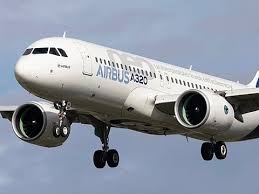

A320 Software Flaw Prompts Swift Response
A recent software glitch affecting thousands of Airbus A320 aircraft has now been largely resolved following a rapid and coordinated global effort. The bug, linked to interference caused by solar flares, led to a temporary grounding and mandated software updates across the fleet. Thanks to proactive action by Airbus and airline operators, the majority of these planes have been updated and are resuming normal operations.
Background: A Space-Related Software Vulnerability
The problem first came to light after an incident on a JetBlue A320, where a vulnerability in the aircraft’s software was exposed by solar flare activity, causing an unexpected drop in altitude. This discovery triggered an urgent directive for software retrofits affecting around 6,000 aircraft worldwide, including many operated by major airlines in Europe, Asia, and the Americas.
Given the vast scale of the A320 family and its prominence in global aviation, this recall stands as one of the most extensive in Airbus’s history. Its timing just before the busy U.S. Thanksgiving weekend initially raised concerns about widespread travel disruptions, though these worries have since eased as modifications progressed briskly.
How the Update Process Worked
The corrective action involves rolling back the aircraft’s flight computer software to a previous, more stable version that better manages nose angle input — critical for maintaining altitude and safe flight path. This update is performed by uploading software through a secure data loader device directly in the cockpit, designed to minimize cybersecurity risks.
Time per update was initially estimated at approximately three hours per plane, but this figure quickly dropped as airlines became more efficient in carrying out the fixes. Some operators, like easyJet and Wizz Air, reportedly completed their updates during weekends without canceling flights, showcasing the industry’s adaptability.
Challenges and Ongoing Delays
Despite the high success rate, a small number of older A320 jets require replacement of hardware components alongside software updates, notably new flight computers. These replacements have been slowed by global semiconductor shortages, complicating the timeline for returning all planes to service. For example, Colombia’s Avianca has suspended bookings up through early December to accommodate repair timelines, while JetBlue continues to cancel some flights.
This hardware dependency signals that a full resolution will take longer for certain aircraft, underscoring the complexities airlines face beyond pure software issues.
Industry Lessons and the Bigger Picture
The swift intervention contrasts sharply with previous industry incidents involving software design, such as those associated with certain competitor models in the past. Airbus’s transparent communication and decisive action reflect a shift in crisis management philosophy, committed to minimizing operational disruption and restoring passenger confidence quickly.
The CEO of Airbus made a public apology acknowledging the challenges, aligning with a broader industry trend toward openness and accountability in aviation safety. This approach is important not only for regulators and airlines but also travelers who rely on trust in aircraft system integrity for their journeys.
Implications for Taxi and Transfer Services
For travelers, the stability and availability of air services directly affect onward transportation choices, including local taxis and airport transfers. As aircraft return to service and schedules normalize, transfer services will see restored demand and smoother operations. Platforms such as LocalsRide.com offer seamless booking options that allow users to select specific vehicles and drivers, ensuring comfortable connections even during periods of air travel volatility.
Being aware of such developments helps travelers better plan their rides to and from airports, precisely choosing vehicles to fit their trip size or luxury preferences—whether it’s a private limousine or a more practical seater vehicle. Transparent pricing and verified driver credentials on platforms like LocalsRide enhance the overall journey, particularly when air travel schedules can be unpredictable.
| Aspect | Details |
|---|---|
| Number of A320 Jets Affected | Approximately 6,000 |
| Software Fix Approach | Rollback to stable version via cockpit data loader |
| Hardware Replacement Needed | On some older models (flight computers) |
| Impact on Airlines | Some flight cancellations and booking suspensions |
| Industry Response | Increased transparency and swift updates |
The Value of Personal Experience and Booking Confidence
Though official updates and reviews provide valuable insight, nothing quite compares to firsthand experience when assessing service quality — whether for air travel or on-the-ground transfers. LocalsRide supports travelers by offering access to verified providers and a variety of vehicles at reasonable fares, allowing users to make informed and budget-friendly choices. This transparency shields passengers from unexpected costs or inconveniences, which is especially comforting when schedules are disrupted or sensitive to external events like aviation safety concerns.
The platform’s extensive fleet options and additional amenities cater to a wide range of traveler needs, reinforcing convenience and confidence across the journey.
Book your Ride LocalsRide.com
Looking Ahead
While the Airbus software bug recall primarily affected the A320 fleet, the swift resolution underscores the aviation sector’s increasing resilience. Globally, the impact on tourism and travel will likely be limited thanks to rapid coordination between manufacturers, regulators, and operators. However, the incident highlights the importance of agility in managing technological challenges and how such events ripple down to affect associated services such as taxi and transfer bookings.
LocalsRide continues to monitor industry developments closely, ensuring travelers worldwide have access to reliable, precise, and transparent transfer options despite evolving airline circumstances. Start planning your next adventure and secure your worldwide transfer with LocalsRide.
Summary
Airbus has completed software modifications on most of its recalled A320 jets after discovering a solar-flare-related computer bug that grounded thousands of planes temporarily. This rapid response limited flight disruptions, although some older A320s still require hardware replacements, extending their downtime. The aviation industry’s transparent handling of the situation reflects lessons learned from past software-related crises, benefiting safety and passenger confidence. For travelers, smoother air operations mean more predictable local transportation needs, highlighting the role of flexible, user-friendly taxi and transfer services. Platforms like LocalsRide.com offer precisely such solutions, giving passengers detailed vehicle choices, verified drivers, and fair prices to bridge air travel with seamless ground transfers around the world.