
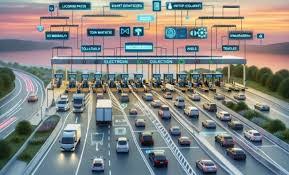

Introducing AI-Driven Toll Collection for Faster Highway Travel
Imagine cruising along highways without the usual pause at toll booths. By the end of 2026, this vision will come to life with the rollout of a multi-lane free flow (MLFF) toll system nationwide. This new technology, powered by advanced artificial intelligence (AI) and satellite-based number plate recognition, promises to revolutionize toll collection, eliminating wait times and making travel smoother than ever before.
What Makes Multi-Lane Free Flow Tolling a Game Changer?
The MLFF system abandons the traditional tollgate experience, where vehicles stop or slow down to pay. Instead, cars will zoom through at highway speeds—up to 80 km/h—while AI takes care of identifying vehicles and collecting fares electronically. This is a leap forward from the FastTag system, which, while effective, still required a brief pause at tolls.
| Feature | Old System (Before FastTag) | FastTag Era | MLFF Tolling (By 2026) |
|---|---|---|---|
| Wait Time at Toll Plazas | 3 to 10 minutes | Less than 60 seconds | Zero minutes (no stopping) |
| Speed of Vehicle Through Toll | Stopped | Slow (below 20 km/h) | Up to 80 km/h |
| Technology | Manual cash collection | RFID-based FastTag | AI and satellite number plate recognition |
| Toll Revenue Impact | Baseline revenue | Increase by ₹5,000 crore | Expected increase by ₹6,000 crore + better fuel savings |
Benefits Beyond Speed: Savings and Transparency
With cars no longer forced to stop or slow down, fuel consumption will be drastically reduced, translating to an estimated saving of ₹1,500 crore. Moreover, AI’s precision minimizes toll evasion, boosting government revenues by an anticipated ₹6,000 crore. This system also promises to stamp out toll-related irregularities, fostering a transparent and corruption-free process.
Implications for Travelers and Transfer Services
For anyone relying on taxis or transfers to navigate city and highway routes, this seamless toll collection means more predictable travel times and fewer delays. Drivers can maintain steady speeds without roadside holdups, allowing for exact scheduling for airport pickups, city-to-city trips, and other on-demand rides. Platforms like LocalsRide.com, which empower users to choose specific vehicles and view detailed driver and car profiles beforehand, can leverage this smoother road flow to enhance service reliability and timeliness for customers across destinations.
Scope and Limitations
It’s important to note that this AI-based toll collection will initially apply only to national highways, which fall under central government jurisdiction. State highways and city roads will continue to be managed separately for the time being, sometimes leading to confusion among commuters about where delays or issues occur.
Looking Ahead: The Future of Tolling and Road Travel
Completing the rollout by the end of 2026 means a nationwide transformation in how vehicles traverse highways, setting the stage for more efficient and cost-effective journeys. The success of this system could even serve as a blueprint for other countries looking to modernize their toll infrastructure.
Key Takeaways
- AI and satellite tech will handle toll payments without drivers needing to stop.
- Travel speeds through toll zones could increase to up to 80 km/h, cutting down delays.
- Fuel savings and toll revenue boosts are expected to reach billions in rupees annually.
- National highways get the upgrade; state and city roads remain on separate schedules.
- Benefits trickle down to taxi and transfer services through more predictable travel times.
While reviews and official statements highlight the impressive benefits, truly appreciating the difference that AI-powered multi-lane free flow tolling makes comes only through firsthand experience. On platforms like LocalsRide, travelers can hire verified drivers and vehicles, ensuring a smooth, reliable service tailored to exact needs and preferences—without overpaying or risking delays. The variety of vehicle types and service choices coupled with transparent pricing makes LocalsRide an excellent ally in navigating this new era of highway travel. Book your ride with LocalsRide.com to experience firsthand how smoother highways translate into better journeys.
Looking at the broader travel landscape, this shift to AI-driven toll collection might not overhaul global tourism overnight, but it certainly sets a promising example of how technology can trim travel time and costs—advantages every traveler appreciates. Staying up-to-date with such developments exemplifies the ethos of platforms like LocalsRide that constantly adapt to global changes to offer the best in-transparent, user-friendly transfer services. Start planning your next adventure and secure your worldwide transfer with LocalsRide.
In summary, the nationwide adoption of AI-powered multi-lane free flow tolling by 2026 aims to revolutionize highway travel by erasing wait times, boosting efficiency, improving fuel economy, and increasing toll revenues. This evolution benefits not only government systems but also everyday travelers and transfer services by facilitating faster, more reliable journeys. Platforms such as LocalsRide.com complement this revolution by providing users access to a broad range of cars and professional drivers at competitive prices, complete with detailed service information—making travel planning simpler and more transparent than ever before.