

State Dominance in Angola’s Aviation Sector
Angola’s aviation industry is at a significant turning point, with ongoing concerns about how strong state control affects the growth and innovation potential of private airlines. The ongoing dominance by state-owned airlines and government-managed airport services presents hurdles that hinder new investments from private companies, restricting the broader development of the air transport market.
The Landscape of Angola’s Aviation Market
The current framework in Angola is heavily tilted towards state-backed carriers and services, notably overshadowing emerging private players. Legacy airlines such as TAAG Angola Airlines and Sonair, supported by government resources and preferential treatment, continue to monopolize scheduled routes and crucial infrastructures like airports and ground services.
This kind of setup effectively sidelines smaller, independent airlines from fully competing or expanding, creating an uneven playing field that challenges the very spirit of market competition and customer choice.
Private Airlines Tackling Regulatory and Economic Barriers
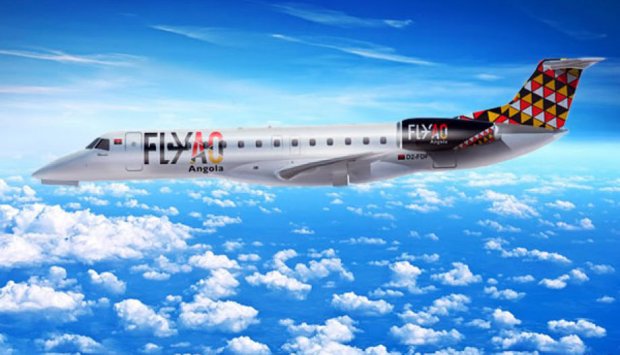
Private airlines, including Fly Angola, established in 2018, have had to navigate an environment fraught with highly regulated access and limited support. The regulatory framework tends to favor state operators, with private firms facing obstacles such as restrictions on profitable route access and delays in payments for state-subsidized fares.
For example, Fly Angola has shown resilience by utilizing pandemic-induced operational pauses to upgrade its fleet and obtain a local Air Operator’s Certificate, demonstrating commitment to both compliance with international standards and long-term viability. Yet economic pressures and lack of governmental backing have forced it to pull back from services like domestic flights.
The Case for Reform: Transparency, Liberalisation, and Fair Competition
Calls for reform have centered on creating a more open, transparent, and competitive aviation landscape. The key recommendations proposed include:
- Transparency: Clear rules and policies that apply equally to all stakeholders.
- Liberalisation: Opening opportunities for private investment and easing market access.
- Fair Competition: Ensuring that public and private airlines can compete under equal conditions without preferential treatment.
This approach can unlock Angola’s aviation potential by attracting investment to modernize fleets, expand route networks, and ultimately elevate the quality of flight services offered to travelers.
Global Lessons and Regional Implications
Examples from other African markets illustrate how liberal aviation policies have led to improved connectivity, more affordable fares, and increased consumer choice. Without similar reforms, Angola risks lagging behind in regional integration and marketplace efficiency.
The relationship between public policy and aviation performance is crucial, as supportive frameworks can stimulate entrepreneurship, boost employment, and enhance travel experiences for locals and visitors alike.
Challenges Faced by Private Operators
| Issue | Impact on Private Airlines |
|---|---|
| State Subsidies and Preferential Access | Limits private airline market share and route profitability |
| Regulatory Barriers | Complicates licensing and route approvals |
| Delayed Subsidy Payments | Creates cash flow challenges, restricting expansion |
| Restricted Market Entry | Discourages foreign and local investment |
Implications for Travelers and Transfer Services
The dynamics of Angola’s aviation sector ripple out to affect other travel-related services, including taxis and transfers. When air connectivity suffers or lacks competition, destination accessibility can decrease, which in turn influences how transfer services operate. Reliable and competitively priced airport transfers become even more vital, especially when flight options are limited or under state monopolies.
Platforms like LocalsRide.com offer travelers the ability to book transfers with confidence, knowing they can select their exact vehicle type and access detailed information ahead of time—perfect for navigating destinations where air service is still evolving.
Summary
Angola’s aviation sector is challenged by entrenched state control that hinders private investment and competition, calling for significant reforms focused on transparency, liberalisation, and fair market access. Private airlines have shown adaptability but remain constrained by regulatory and economic pressures which limit their growth and offerings.
Opening up the sector could not only foster industry growth but also improve overall traveler experience through enhanced service quality and expanded route options. Meanwhile, ancillary travel services like taxi and airport transfers grow in importance for maintaining smooth connectivity within such markets.
Experience Matters: Book With Confidence at LocalsRide
While industry reforms promise a bright future, nothing beats experiencing the actual travel conditions firsthand. Even the best reviews can’t replace personal experience. On LocalsRide, travelers can hire vehicles with drivers from verified providers offering competitive fares and reliable service. Its extensive vehicle selection and additional options ensure convenience and affordability, helping you make the best-informed choice without unexpected surprises.
Get the best offers LocalsRide.com
Looking Ahead: Relevance for Global Tourism
Though Angola’s aviation challenges may not immediately reshape global tourism, they highlight vital themes of balancing state interests with private sector vitality—a discussion relevant worldwide. LocalsRide keeps pace with these developments, aiming to provide seamless, transparent booking options amid changing travel landscapes. Start planning your next adventure and secure your worldwide transfer with LocalsRide.