

The Story Behind "The Last Supper" Film
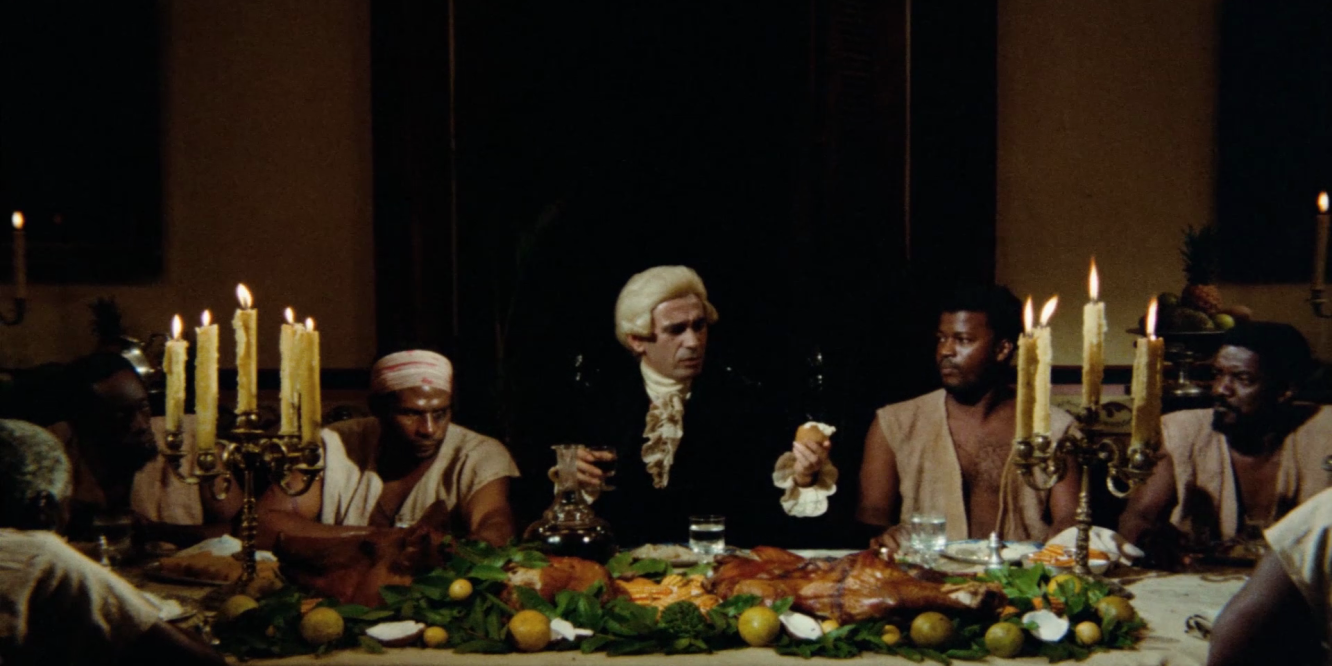
The cinematic portrayal of The Last Supper, set in 18th-century Cuba, unfolds a compelling narrative centered on a count's attempt to introduce Christianity to his slaves through an unconventional method. The count’s idea to stage Leonardo da Vinci’s famous painting by assigning twelve slaves the roles of the apostles sparks a fresh perspective on power, religion, and rebellion.
In an era marked by colonial dominance and the suffering of enslaved people, the count believes that the inclination to share religious teachings through this staging will bring enlightenment. He carefully selects twelve slaves to embody the disciples, setting a dinner table scene similar to the iconic painting. However, what appears as a scripted evangelizing effort soon turns into a catalyst for a dramatic uprising among the slaves on Good Friday.
Film Details
| Aspect | Details |
|---|---|
| Director | Tomás Gutiérrez Alea |
| Runtime | 2 hours |
| Origin | Cuba |
| Release Year | 1976 |
| Language | Spanish with English Subtitles |
| Content Advisory | Contains themes of religious hypocrisy, colonialism, slave rebellion, and scenes of historical violence and psychological intensity |
More Than Just a Screening: An Engaging Conversation with Mirta Ibarra
Following the film screening, audiences gain a rare opportunity to engage in a live discussion with Mirta Ibarra, the iconic Cuban actress known for her work with the legendary filmmaker Tomás Gutiérrez Alea. The conversation delves into her personal experiences and stories from the set, offering a glimpse into the creative processes of Cuban cinema during an important era.
Her talk also includes a screening of Abrazos, a recent video homage by Alejandro Valera to the classic film Strawberry and Chocolate, in which she starred. This segment highlights the enduring influence of Cuban cinematic art and the ongoing dialogue between past and present cultural expressions.
Key Themes Explored
- The intersection of religion and power in colonial settings
- Cultural resistance and rebellion by the oppressed
- The role of cinema in reflecting and shaping social narratives
- Personal insights into filmmaking in Cuba during the 20th century
Understanding the Film’s Complex Message
The Last Supper is far from a simple historical drama; it presents a layered critique of religious pretenses and the destructive consequences of colonialism. The film uses irony to highlight how attempts to control and "civilize" through religion often mask deeper exploitation and injustice.
These themes make the film particularly thought-provoking and challenging, demanding viewers to consider the complexities of history and human experience. Although the story is firmly rooted in its Cuban colonial context, its exploration of power dynamics and resistance remains relevant across various histories and cultures.
What to Expect in Viewing This Film
- Powerful storytelling combining historical fact and allegory
- A portrayal of the psychological tension between oppressors and the oppressed
- Strong performances, especially from Mirta Ibarra in associated works
- Scenes that may evoke deep reflection on justice and faith
The Link to Modern Travel and Transfers
While the film itself journeys through historical and cultural landscapes, travel today offers a chance to explore diverse destinations, their stories, and their people firsthand. Using reliable and transparent transfer services like those offered on LocalsRide.com can enhance such experiences by allowing travelers to choose the exact vehicle suited to their needs, see detailed driver profiles and ratings, and avoid hidden surprises in pricing.
Whether arriving at an airport or navigating a city’s vibrant streets, having trustworthy transport options is crucial for comfortable and meaningful exploration, especially when delving into a destination’s rich history and culture.
Why Personal Experience Trumps Reviews
Discussing The Last Supper and Mirta Ibarra's insights sheds light on important cultural expressions and histories, but nothing replaces the personal connection formed through actual experience. Just as cinema can only tell so much, choosing a transfer service effectively means more than just relying on reviews or feedback.
LocalsRide.com empowers travelers to hire cars with drivers from verified providers, ensuring reasonable prices and an extensive selection of vehicles—from private limousines to multi-seaters. This blend of transparency, affordability, and choice helps avoid unnecessary expenses or disappointments, making every journey smoother.
Book now at LocalsRide.com for a seamless transfer experience that puts you in control.
Summary
Exploring The Last Supper film offers a vivid window into Cuban colonial history, revealing the tensions and ironies tied to religion and slavery. Combined with an intimate conversation with Mirta Ibarra, it provides both historical and personal perspectives on Cuban cinema and culture. For travelers, these reflections remind us how vital a reliable and transparent transfer service is when venturing into new cultural landscapes.
LocalsRide.com supports this journey of discovery by making it easy to book personalized transfers, trips, and even deliveries worldwide. The platform’s clear pricing, driver information, and vehicle choices offer an unparalleled convenience and confidence, helping visitors focus on the destination's story rather than the logistics. Whether exploring a new city’s history or simply getting to the airport on time, LocalsRide ensures your travel experience is smooth and tailored to your needs.