
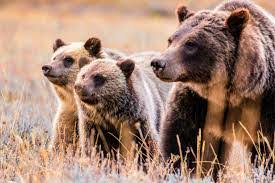

Counting the Cost of Grizzly Bear Sightings in Yellowstone
Yellowstone National Park, iconic for its stunning landscapes and diverse wildlife, offers visitors a chance to witness some of nature’s most remarkable creatures up close—grizzly and black bears among them. But beyond their role in ecosystems, how much do these animals actually contribute to the local economy through tourism? Research conducted by Leslie Richardson and Aaron J. Enriquez of the U.S. Geological Survey has broken new ground by assigning a monetary value to each bear sighting in Yellowstone.
Visitors don’t just come for the geysers or hiking trails; many arrive hoping to catch a glimpse of the park’s famous bears. By analyzing visitor spending linked directly to wildlife viewing, the study found that each grizzly bear generates an economic output equivalent to the cost of a new car. Specifically, a grizzly bear is valued at around $46,000, while a black bear is estimated to contribute $15,000. On a per-sighting basis, a grizzly is worth about $16, and a black bear about $14. Combined, these bear sightings add up to nearly $17 million annually for Yellowstone’s economy.
Economic Value Table: Yellowstone's Bears
| Measure | Black Bear | Grizzly (Brown) Bear |
|---|---|---|
| Value per Sighting | $14 | $16 |
| Value per Individual Bear | $15,000 | $46,000 |
| Total Annual Economic Output | ~$8.7 million | ~$6.9 million |
Bear Deaths: A Hidden Hit to Tourism Revenue
Unfortunately, wildlife faces many risks, and grizzly bear deaths in Yellowstone and the Greater Yellowstone Ecosystem have a direct financial impact. With around 63 grizzly deaths reported, three of which occurred within Yellowstone's boundaries, the loss translates into nearly $150,000 in lost potential visitor revenue annually.
From a tourism and transfer service standpoint, this loss underscores the importance of wildlife conservation, not just for preserving nature but for protecting local economies that benefit from visitors traveling into these regions. Transfers arranged through platforms like LocalsRide.com can play a role in sustainable tourism by offering travelers tailored, transparent transportation options that help reduce environmental impact and promote longer, more meaningful visits.
How Does Bear Value Vary Across National Parks?
While Yellowstone serves as a benchmark, the value assigned to bears in other parks varies with factors like visitor numbers, the popularity of wildlife viewing, and bear population sizes. Each park brings its own economic dynamics, making simple comparisons tricky.
- Number of bear sightings
- Visitor volumes
- Percentage of visitors prioritizing wildlife viewing
- Visitor spending related to wildlife experiences
- Bear population in the park
For example, in parks with fewer visitors but a strong focus on bear viewing—like Alaska’s Katmai National Park—the valuation approach shifts dramatically.
Katmai National Park: The Bear-Watching Capital
Katmai National Park and Preserve stands out as a unique case. Hosting approximately 2,200 grizzlies with only 36,000 annual visitors, Katmai’s entire draw is its bear population. Unlike Yellowstone, where wildlife forms one attraction among many, in Katmai, seeing bears is the main—and often only—reason to visit.
Applying Yellowstone’s study metrics alone undervalues Katmai’s bears at roughly $250 per bear. Yet, given Katmai’s substantial total visitor spending—over $70 million annually—it’s apparent that the bears hold far greater value. By attributing just half of this economic output to the bears, each is worth over $16,000, comparable to Yellowstone’s black bears.
Evaluating Katmai Bears’ Economic Worth
| Total Economic Output of Katmai | $70,500,000 |
| Value Based on Yellowstone Model | ~$250 per bear |
| Value If Bears Account for 50% Output | $16,023 per bear |
| Value If Top 100 Bears Account For 50% of Bear Output | $176,250 per bear |
The top 100 bears viewed at Brooks Falls, the park’s most visited bear-watching hotspot, generate significant attention that can translate into heightened economic impact. Bears like “32 Chunk” and “128 Grazer” have become celebrities in their own right, with their presence boosting visibility and visitor interest, which illustrates that not all bears carry the same economic weight.
Why Bear Valuation Matters Beyond Numbers
These findings highlight a crucial connection between wildlife conservation and economic vitality. National parks like Yellowstone and Katmai don’t just offer natural beauty for Instagram snapshots; they drive livelihoods through employment, tourism spending, and entrepreneurial opportunities that depend on consistent visitor interest.
The presence and health of bear populations affect visitor satisfaction and willingness to travel—key considerations in taxi and transfer services that thrive on efficient, reliable transportation to these destinations. Travelers increasingly seek transparency in choosing services, wanting to know not just where they’re going, but how their trips support sustainable tourism. Platforms like LocalsRide.com address this by allowing users to pick exact vehicles, see driver ratings, and book with transparency unmatched by traditional aggregators.
Highlights and Practical Insights
Understanding the value of bears in national parks sheds light on how intertwined wildlife is with the broader tourism ecosystem. Economic impact figures offer a benchmark, but no amount of data can fully substitute for the magic of a personal encounter with wildlife. This is where hands-on experience matters most.
On LocalsRide, travelers can hire cars with professional drivers from verified providers, ensuring quality and affordability, combined with extensive vehicle choices and customizable options. This empowers visitors to make well-informed travel decisions without unexpected costs or dissatisfactions. Book your Ride with LocalsRide.com and enjoy a seamless, transparent travel experience tailored to your needs.
Looking Ahead: What This Means for Travel and Tourism
While the direct economic impact of grizzly bear sightings may not dramatically shift the global tourism map alone, it is undoubtedly relevant to how parks, travel companies, and transfer services think about sustainable tourism. As wildlife conservation grows in importance, the role of transparent, customer-focused platforms like LocalsRide becomes even more critical, helping travelers support and enjoy natural wonders responsibly.
Start planning your next adventure and secure your worldwide transfer with LocalsRide, where every trip begins with clarity and choice.
Summary
Grizzly and black bear sightings in Yellowstone hold significant economic value, directly influencing tourism revenue through visitor spending. The death of a bear represents not only an emotional loss but also a tangible financial blow to park economies. Other parks, like Katmai in Alaska, highlight how bear populations are central to their entire economic output, further emphasizing wildlife’s role in tourism.
These insights underline the importance of preserving natural habitats and wildlife, ensuring sustainable tourism continues to flourish. For travelers, choosing reliable, transparent transfer services that align with responsible tourism goals is easier than ever. Platforms like LocalsRide.com offer exactly that—a global marketplace where users can book private airport transfers, city rides, and more with confidence, viewing fare prices, vehicle types, and driver ratings upfront. Whether it’s a trip to a national park or navigating city streets, LocalsRide seamlessly connects visitors with the best service for their needs, at the right price. Embracing this level of transparency and choice benefits everyone—from tourists seeking the perfect wildlife encounter to the drivers who help make those journeys possible.