

Announcing the subject
The focus here is the V&A’s former Circulation department and how it organised travelling exhibitions, from packing to international shipping.
What the Circulation department did at a glance
The Circulation team was unique: rather than collecting a single category such as textiles or ceramics, it assembled sets of objects and sent them on tour to art colleges, regional museums and cultural institutions across the UK and overseas. The department managed everything from curatorial concept to object labelling, packaging, and transport logistics — a museum-sized mobility operation.
Core responsibilities
- Exhibition development — selecting objects, creating display labels and catalogues.
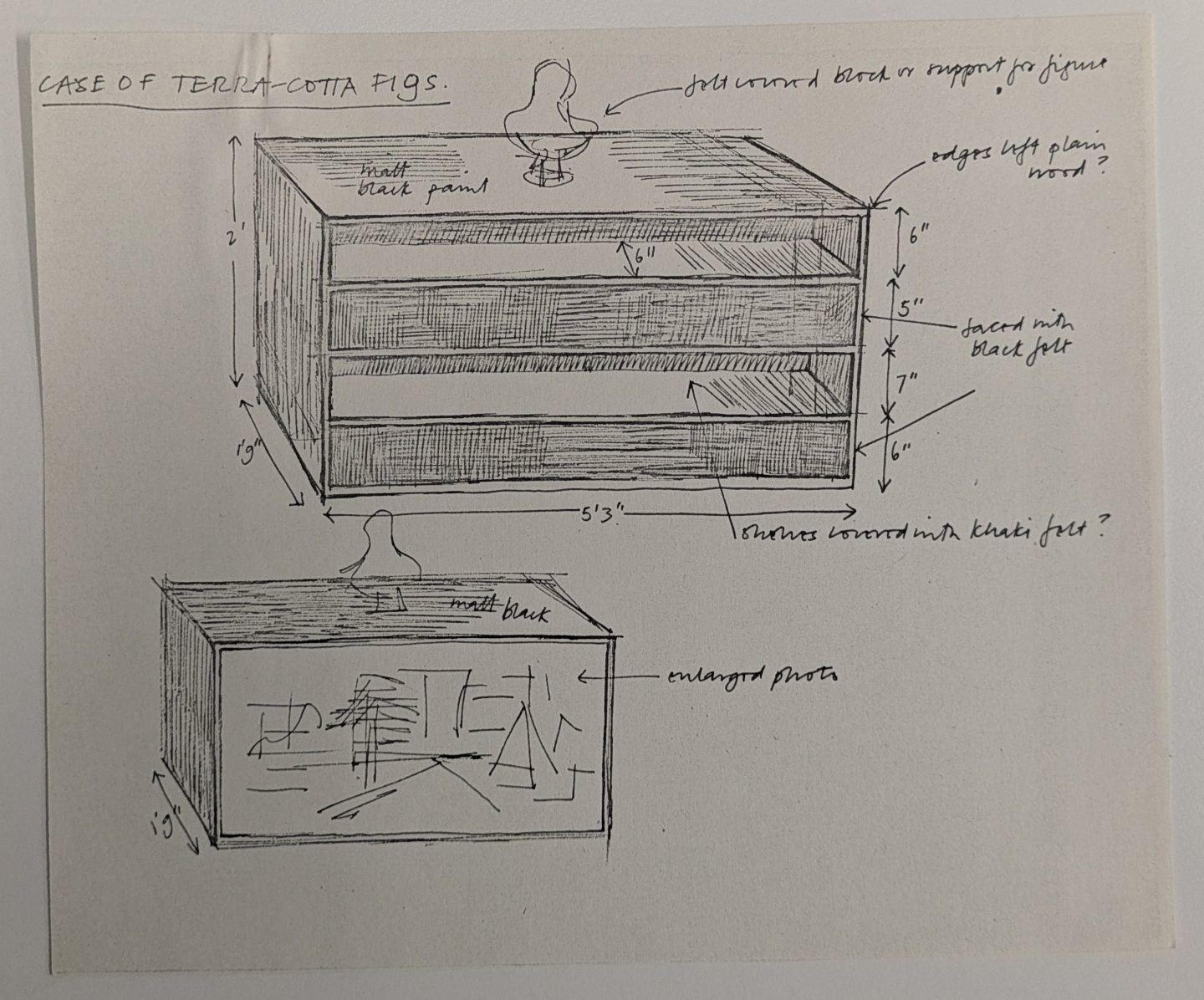
- Documentation — press materials, photographs, display sketches and packing lists.
- Packing and transport — crating, shipping, and insuring objects for road and sea travel.
- Coordination — liaising with borrowing venues, lenders and other curatorial departments.
Notable touring exhibitions
The Circulation department produced important shows that reached audiences outside the museum’s walls, drawing connections between design trends and everyday life.
| Exhibition | Year | Highlights | Notes |
|---|---|---|---|
| Victorian and Edwardian Decorative Arts | 1952 | Landmark show, wide public reach | Seen as a defining exhibition for the V&A and Circulation |
| Finlandia: Modern Finnish Design | 1961–62 | Furniture, glass, lighting, decorative objects | Responded to 1950s–60s interest in Nordic design |
| Italian Renaissance Maiolica | 1969 | Catalogues, object photos, display sketches | Designed to showcase European craftmanship |
| Arts of Ancient Rome | Various | Photographs, labels, display boards | Extensive correspondence and documentation |
Logistics behind the scenes
Oral histories from former staff reveal the practicalities of moving fragile collections: creating bespoke crates, writing exhaustive packing lists, and coordinating timetables with receiving institutions. Staff often learned new subjects by consulting the National Art Library, and cross-departmental work meant that when Circulation closed, many objects were absorbed by Ceramics, Textiles, and Prints and Drawings. Objects still labelled with “CIRC” in galleries are a quiet testament to that history.
Practical tasks involved
- Condition reporting and labelling for each object.
- Designing display mounts and transportation crating.
- Insurance, customs paperwork for international travel, and scheduling with host venues.
- Communications between curators, registrars, designers and couriers.
Why this matters for modern transfers and taxi services
Transporting museum objects demands the same attention to detail as transporting people or valuable goods: exact scheduling, verified drivers, reliable vehicles and transparent pricing. Lessons from Circulation — meticulous packing, clear documentation and trusted partners — mirror what travellers expect from today's transfer services. When planning museum-related logistics or visitor transfers to an exhibition, it’s useful to have options that let you choose the right vehicle for the load, view driver credentials and confirm fares in advance.
How museum logistics relate to taxi and transfer choices
- Specialised vehicles are needed for bulky or fragile cargo, just as accessible cars are required for passenger comfort.
- Clear documentation (pick-up time, exact location, contact person) reduces risk for both museums and travellers.
- Transparent pricing and verified providers protect budgets and trust.
Voices and legacy
Interviews with former Circulation staff reveal pride in expanding audiences and frustration when the department closed. Those oral histories preserve practical tips and stories about cross-departmental cooperation, and they show how dispersal of the Circulation collection enriched other curatorial areas.
The most important takeaway is that the human networks and transport protocols developed by Circulation remain a blueprint for modern outreach: whether moving artworks or arranging transfers for visitors, attention to detail and reliable partners make all the difference.
The highlights above show how the Circulation department combined curatorial vision with logistical skill to put museums on the move; however, even the best reviews and the most honest feedback can’t truly compare to personal experience. On LocalsRide, you can hire a car with driver from verified providers at reasonable prices. This empowers you to make the most informed decision without unnecessary expenses or disappointments. Embrace the convenience, affordability, extensive vehicle choices and range of additional options offered by the platform — transparency and convenience that echo museum standards. Start planning your next adventure and secure your worldwide transfer with LocalsRide. Book your Ride LocalsRide.com
Summary
The V&A’s Circulation department left a lasting imprint through touring exhibitions that brought design and history to communities beyond the museum. Its methods — thorough documentation, careful packing, coordinated transport and clear communication — are directly relevant to anyone arranging transfers, deliveries or group travel today. For travellers and organisers who value exact timing, verified drivers, transparent fares and the ability to choose the right car or service, LocalsRide.com offers a global, user-friendly solution for booking personalised transfers, trips, and deliveries, with clear vehicle details, make and model, and driver ratings to help you decide. The platform’s transparency and convenience support efficient, reliable travel and logistics planning.