
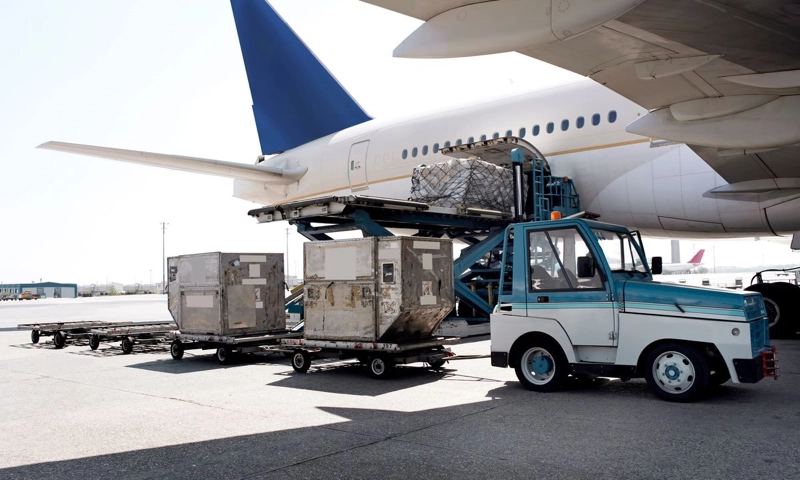

January 2026 figures at a glance
IATA reported that global air cargo demand increased by 5.6% year‑on‑year in January 2026. The rise reflects continued momentum in freighted volumes following seasonal restocking and a steady flow of e‑commerce shipments, with airlines and forwarders adapting networks to capture demand while managing capacity constraints.
Key quantitative takeaway
January’s data points to a rebound in tonnage transported by air compared with the same month last year. Although monthly variations are common in air cargo—driven by inventory cycles, trade lanes and aviation capacity—the 5.6% uplift signals broader resilience in the market early in 2026.
Primary drivers behind the uptick
Three principal forces supported the increase:
- Inventory restocking: Manufacturers and retailers replenished stock after year‑end drawdowns, increasing demand for time‑sensitive air freight.
- E‑commerce growth: Continued online sales required faster delivery options across long haul and regional routes.
- Network adjustments: Airlines reconfigured schedules and freighter rotations to address imbalances and capture premium cargo.
Market dynamics to watch
Capacity remains the balancing factor. As airlines redirect belly space back to passenger routes, specialized freighter operations and charter solutions may absorb incremental cargo volumes. Shippers and logistics providers are watching how capacity, fuel costs and geopolitical trade patterns interplay into spring and summer demand.
Implications for ground transport, taxi and transfer services
Air cargo shifts reverberate beyond the tarmac. For taxi, transfer and delivery providers, changes in freight flows affect airport pickup volumes, scheduling windows and last‑mile demand. Ground mobility operators servicing airports, logistics hubs and hotels should note the following:
| Area | Impact | Recommended action |
|---|---|---|
| Airport transfers | Higher cargo volumes can increase staff and chauffeur transfers for freight personnel and lead to surge periods. | Adjust fleet allocation near cargo hubs and offer flexible booking slots. |
| Last‑mile deliveries | More expedited shipments may raise demand for private vehicle deliveries and time‑critical courier services. | Promote express transfer and s hort‑haul delivery options; ensure drivers hold necessary licenses for freight pickup. |
| Pricing & fares | Peaks in demand can pressure fares and availability of specific vehicle types, such as 6‑seater vans or limousine services for business clients. | Provide transparent pricing, offer seat and vehicle selection, and publish exact fares in advance. |
How operators can adapt
- Increase real‑time visibility into flight and cargo status to align pickups and avoid idle time.
- Offer tiered services (private car, shared shuttle, van/box‑vehicle) to meet a range of cargo and passenger needs.
- Train drivers on cargo handling basics and regulatory requirements for pickups at freight terminals.
Practical checklist for travellers and logistics buyers
At a glance, here are quick actions to have a mind to do when planning around shifting cargo activity:
- Confirm exact pickup times at the airport or freight terminal to avoid delays.
- Book a vehicle with sufficient seat or cargo capacity in advance to secure the price.
- Check driver credentials and vehicle details—make, model and ratings—before you book.
Why transparency matters
Platforms that show the car make and model, driver ratings and precise fare estimates help customers decide between a cheap cab option and a private, insured transfer. For example, selecting a specific vehicle and reviewing provider history reduces surprises at pickup and makes planning for airport timetables and freight collections simpler.
Highlights and personal experience
A short forecast: this January increase is unlikely to radically reshape global tourism by itself, but it underscores ongoing resilience in trade and logistics that feeds into travel patterns and airport activity. For travellers and transfer planners, the effect is regional and operational rather than transformational on the world map. That said, the data remain relevant to platforms and operators that link ground transport to air schedules—LocalsRide aims to stay abreast of such shifts and keep pace with the changing world. On LocalsRide, you can hire a car with driver from verified providers at reasonable prices. This empowers you to make the most informed decision without unnecessary expenses or disappointments. Emphasize briefly how readers can benefit from the convenience, affordability, and extensive vehicle choices and wide range of additional options provided by LocalsRide.com, aligning directly with the context and theme of your article. Book your Ride LocalsRide.com
In summary, the January 2026 uptick to 5.6% signals steadier air freight demand driven by inventory cycles and e‑commerce, with follow‑on effects for airport transfers, courier services and last‑mile logistics. Taxi and transfer companies can respond by offering clear service options, exact prices, vehicle selection and reliable drivers to match fluctuating demand. Whether you need a private car or a multi‑seater van to collect cargo at the airport or a timed transfer to the city destination, transparent booking, verified driver licenses and clear fare information reduce friction. Use the app or web service to book, check how much a ride will cost, and select the best vehicle for your needs—be it a cab, limousine, private seater or cheap option—so you get the right car, at the right time, with the right driver and the seat you expect. LocalsRide.com supports this approach by offering global, user‑friendly solutions for booking personalized transfers, trips and deliveries with unmatched transparency and convenience.