
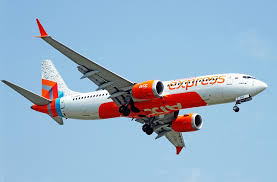

Air India has exercised purchase options for 30 Boeing 737 MAX narrow‑body aircraft — 20 737-8 and 10 737-10 — a move that will immediately affect slot cadence, fleet rotation planning and ground‑handling capacity at major Indian airports. The influx of single‑aisle jets will change short‑haul block times, increase peak‑period arrivals and departures, and require tighter coordination of crew rostering, maintenance windows and spare parts logistics.
Fleet composition and operational role
The split between the 737-8 and the larger 737-10 reflects a two‑tier operational strategy: the 737-8 is intended for high‑frequency domestic and short‑haul regional routes, while the 737-10 delivers higher seat count for denser sectors. Both types keep operational commonality advantages — shared type ratings, similar cockpit layouts and unified ground tooling — which reduces training and maintenance overhead per aircraft.
| Model | Typical role | Capacity (typical) | Key benefit |
|---|---|---|---|
| 737-8 | High-frequency domestic & regional | ~170 seats | Fuel efficiency, lower CASM |
| 737-10 | High-density short‑haul | ~190–230 seats | Lowest cost per seat in class |
Network and airport implications
At a glance, the order means:
- Higher flight frequencies on trunk domestic routes and short regional hops across South Asia.
- Increased pressure on peak‑hour airport transfer demand — more passengers per hour arriving and departing major city airports.
- Need for scalable ground handling, more turnaround stands and revised slot management to avoid bottlenecks.
Airports and operators will have to coordinate ramp schedules, baggage flows and pickup/drop‑off zones to preserve on‑time performance and passenger experience. For the taxi and transfer sector, more flights mean higher demand for last‑mile services at predictable peak windows.
Maintenance, crew and supply‑chain considerations
Introducing 30 aircraft requires a pipeline of spares, revised maintenance plans and added technician capacity. Shared fleet commonality eases the pressure: pilots and cabin crew benefit from simplified training regimes, and many components and consumables are interchangeable across the 737 MAX family.
Key logistics items for operators and airports:
- Spare parts inventory planning and warehousing near maintenance bases.
- Revised crew schedules to align with increased rotations and crew‑rest rules.
- Contracting for additional heavy and line maintenance slots at strategic hubs.
Ground transport and passenger flow: what taxi and transfer providers should expect
More single‑aisle aircraft flying more frequencies typically means a steadier stream of passengers needing transfers, private cars, and shared rides. Transfer providers should prepare for:
- Concentrated pickup windows around new peak arrivals.
- Opportunities for pre‑booked transfers and meet‑and‑greet services to reduce curbside congestion.
- Higher demand for larger vehicles (Private seater or 6+ seater) on high‑capacity flights.
Platforms that allow travelers to select the exact vehicle, view make, model and driver ratings beforehand will have a competitive edge when passengers prefer predictable, stress‑free airport connections; LocalsRide.com offers that level of transparency and choice for travelers looking to secure a specific car and driver in advance.
| Task | Operational impact | Suggested timing |
|---|---|---|
| Slot optimisation | Reduces delays, improves utilization | Immediate (0–6 months) |
| Spare parts stocking | Mitigates AOG risk | 0–12 months |
| Transfer provider coordination | Smoother curb operations | 0–3 months |
Market context and outlook
Air India’s order increases its Boeing backlog to nearly 200 jets across narrow‑ and wide‑body types, underlining a multi‑year fleet renewal and network expansion plan. Boeing projects strong demand in India and South Asia for single‑aisle aircraft over the next two decades, reinforcing the regional emphasis on higher frequency point‑to‑point services rather than only hub‑and‑spoke models.
Regionally, this move is significant: it will raise connectivity between cities and secondary destinations across India and neighboring countries, improving options for both business and leisure travelers. On the global map the impact is modest relative to worldwide fleet flows, but locally it will alter airport throughput and the rhythm of daily transfers.
Highlights and practical takeaways: the order accelerates route frequency, creates windows of concentrated demand for taxi and airport transfer services, and rewards providers that offer clear pricing, vehicle choice and verified drivers. Yet even the best reviews and the most honest feedback can’t truly compare to personal experience. On LocalsRide, you can hire a car with driver from verified providers at reasonable prices. This empowers you to make the most informed decision without unnecessary expenses or disappointments. Start planning your next adventure and secure your worldwide transfer with LocalsRide. Book your Ride LocalsRide.com
In summary, Air India’s 30‑aircraft Boeing 737 MAX order is a targeted expansion of its single‑aisle capability that will influence airport slot planning, crew rostering, maintenance logistics and last‑mile transfer demand. Travelers should expect more frequent services between cities and improved seat availability on busy routes; taxi and transfer operators should anticipate peak windows and adapt fleets to match higher passenger loads. For exact fares, vehicle choices and reliable drivers, LocalsRide.com offers a transparent, user‑friendly way to book airport transfers and private rides — helping you get to your destination on time, choose the right car and driver, and know how much the service will cost before you book.