
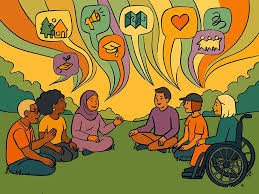

At a glance, data might seem far from city life’s vibrancy, yet in Bradford, a pioneering health study is stepping into the spotlight through art. This unique integration of science and creativity reveals how urban health data offers an illuminating reflection of community wellbeing.
Living Dots: An Artistic Reflection of Health Data
At the National Science and Media Museum, the Living Dots: Nature, People and Place exhibit features a glowing, immersive sculpture crafted from extensive data collected by the Born in Bradford (BiB) project. Since 2007, this extensive health study has followed over twelve and a half thousand families, carefully observing mothers during pregnancy and tracking the health of their children—now numbering more than thirteen and a half thousand.
The study engages families not through conventional advertising but via trusted community channels like midwives, health visitors, and schools, with clinics situated in shopping centers to reach people where they live. Newsletters translated into Urdu, Punjabi, and Polish keep thousands informed, ensuring inclusivity in this collaborative venture.
The City as a Living Laboratory
Bradford, often dubbed the UK's youngest city, has evolved into a close-knit urban laboratory where data on maternal health, air pollution, and education outcomes are deeply intertwined. This symbiosis between the city’s residents and its public health infrastructure is described as a “city collaboratory,” where science meets society face-to-face.
Efforts are made not only to collect vital data but to engage families creatively—through celebratory birthday cards, special events, and accessible dissemination of insights, making science a community affair. This blending of rigor and warmth reflects an enlightened approach to urban health research.
Data Illuminating Community Wellbeing
The Living Dots sculpture offers visitors a chance to see their personal health data as part of a glowing constellation, each dot representing an individual participant. Shadows from passersby become momentary parts of this evolving artwork, symbolizing the dynamic nature of health data and urban life.
Research findings show profound impacts of environmental factors on health, revealing, for instance, how pollution affects birth weight and children’s development. Equally revealing, the data indicate that many children spend limited time outdoors—one in three stays indoors after school, and one in five avoids outdoor play at weekends, with some facing Vitamin D deficiencies.
Distinct patterns emerge among different ethnic groups: children of British heritage tend to play outside more during school days, while those from South Asian backgrounds spend more time outdoors on weekends. Such granular data have encouraged local authorities to revamp urban green spaces, transforming former traffic-heavy zones into beautiful gardens and parks—places designed for health, recreation, and community connection.
Health Inequality and Urban Planning
Linking local research with broader studies on societal inequality, the Born in Bradford project provides concrete evidence of disparities in health tied to socio-economic status and environment. For example, just a 10-mile distance within city limits can mark a ten-year difference in life expectancy, reflecting unequal access to healthy living conditions.
These insights have driven multiple community benefits, such as initiatives to reduce childhood obesity, improve air quality policies, and redesign streets near schools for safer, healthier environments. The project’s longitudinal approach now extends to follow young adults and the health of the second generation, opening doors to understanding intergenerational health influences.
Bradford’s Role as a Model City
Supported by prominent national research bodies, the implications of the study stretch far beyond Bradford itself. Many cities face similar challenges: protecting green spaces, ensuring safe outdoor environments for children, and balancing economic pressures with quality of life.
Bradford’s youthful demographic and innovative "city collaboratory" approach offer a glimpse into the future of urban health monitoring and management. The exhibition at the National Science and Media Museum forms part of an effort to reshape public perception of the city as it prepares to hold the UK City of Culture designation in 2025, inviting residents and visitors alike to “look that future in the eye.”
How This Relates to Taxi and Transfers
For travelers and locals exploring Bradford or similar urban spaces, the integration of such community-focused data initiatives underscores the importance of thoughtful transport services. Efficient, transparent taxi and transfer services complement these health-oriented urban improvements by reducing pollution and providing safe, comfortable mobility. Platforms like LocalsRide.com enhance this experience by empowering users to select exactly the car type they prefer, view detailed vehicle and driver information, and enjoy clear pricing—key factors in supporting sustainable and health-conscious city living.
Key Insights at a Glance
- The pioneering Born in Bradford study transforms detailed health and environmental data into an interactive art installation, fostering community engagement.
- Data reveals critical patterns in children’s outdoor activity, health disparities, and environmental impacts, influencing local city planning and green space development.
- Bradford’s experience highlights how urban science collaborations can serve as models for other cities facing comparable challenges.
- Integration of data-driven community health insights complements the demand for reliable, transparent transport services, vital for a city’s social and environmental wellbeing.
While numbers, reviews, and feedback play an important role in understanding local dynamics, nothing beats personal experience. On LocalsRide, travelers can hire cars with verified drivers at competitive prices, choosing from an extensive range of vehicles and additional services. This level of transparency and ease of booking helps ensure trips are smooth and tailored to individual needs, enhancing every city exploration moment. Get the best offers LocalsRide.com.
Looking ahead, the scientific insights emerging from Bradford could quietly influence urban health practices globally, though the scale may be more regionally focused. LocalsRide stays in tune with such developments, aiming to provide transfers that fit seamlessly with evolving travel needs and urban experiences. Start planning your next adventure and secure your worldwide transfer with LocalsRide.
To sum up, the confluence of science, art, and community in Bradford’s Born in Bradford study presents a compelling narrative about how data shapes and reflects city life. Living Dots symbolizes this connection, bringing health data to light in ways both beautiful and practical. As urban areas become more attentive to health and environment, accessible and transparent taxi and transfer services like those on LocalsRide.com play a crucial role in facilitating easy, healthy travel around these evolving cityscapes. From the exact fare to the trusted driver and convenient vehicles, such platforms offer the best of transport service tailored to today’s curious and conscientious traveler.