

Understanding Paranoid Mirror and Its Interactive Experience
The focus here rests on Paranoid Mirror, a captivating mixed media video installation created in 1995 by Lynn Hershman Leeson. It is an interactive artwork where visitors not only observe but also become the performers. Upon approaching a gilded mirror, viewers see themselves reflected in a video image that shifts as they trigger hidden sensors embedded in the piece.
The experience grows richer as the installation switches between clips, urging viewers to question their own perceptions of what they are watching. At the same time, a video camera captures the visitor and streams the live footage to a surveillance monitor that other attendees can watch. The installation engages themes like reflection, surveillance, voyeurism, and identity—all anchored in a creative dialogue inspired by historic art, notably Jan Van Eyck’s Arnolfini Wedding painting from 1434.
How Paranoid Mirror Creates a Unique Audience Connection
This artwork uniquely blurs the line between observer and participant. Its design allows the visitor to actively influence the display, making every interaction personal and different. The dual role of audience and subject deepens the sense of engagement and prompts reflection on how technology shapes the way we see ourselves and others.
Preserving Time-Based Media: Challenges and Contemporary Tools
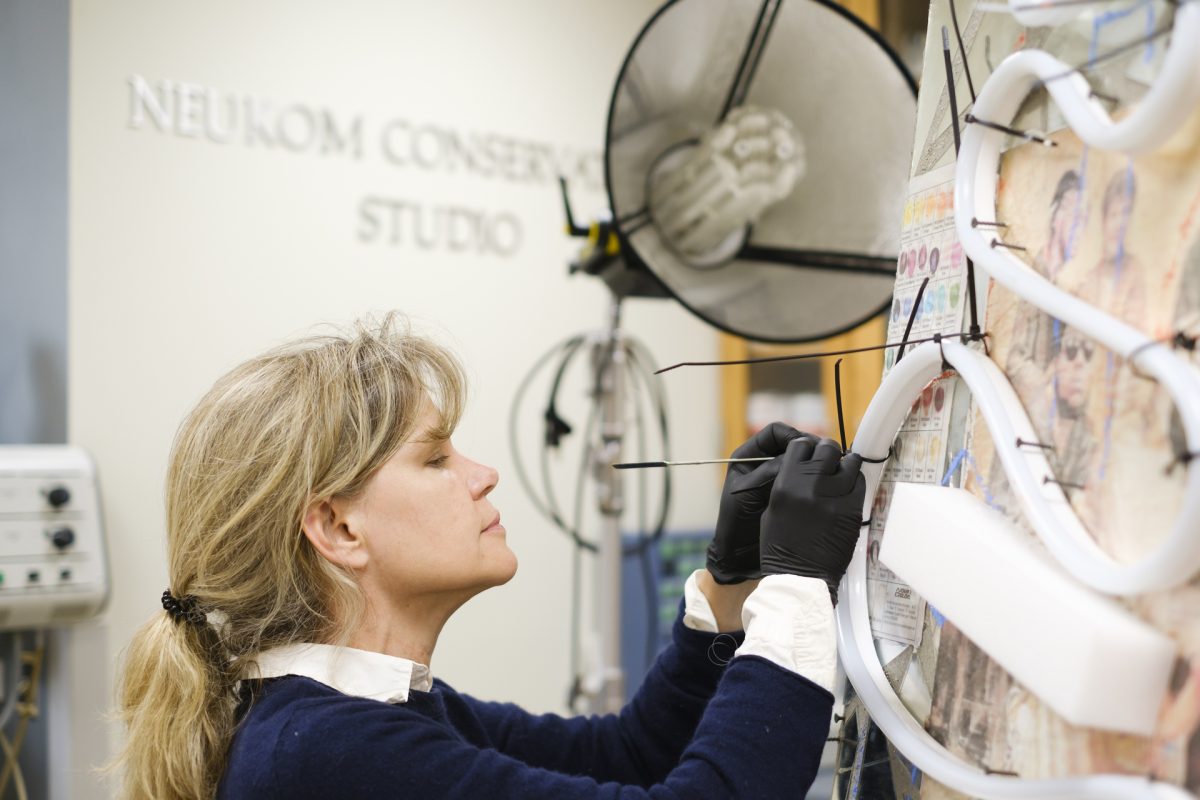
Preserving artworks like Paranoid Mirror requires not only safeguarding its physical components but also maintaining its conceptual integrity and interactive essence. The installation relies on older technology such as CAV laserdiscs, posing significant challenges for conservation.
The first step in this sensitive process is communication with the artist to identify which elements are essential to preserve and which may be substituted without altering the work’s meaning. For instance, while the video content from the 1995 laserdisc can be migrated to new media formats, the artist insisted that the aging artifacts on the video remain untouched to preserve the piece's original context and historic value.
Modern Tools Used in Conservation
- Write blockers from forensic sciences help examine drives safely to prevent any accidental alterations.
- Disc imaging and migration software used by archivists support secure data transfer and preservation.
- Video editing applications assist in assessing and maintaining video content, while metadata analysis tools reveal technical details crucial for conservation.
Relevance of Paranoid Mirror in Today’s Digital Culture
In a world saturated with screens, online personas, and manipulated images, Paranoid Mirror's exploration of identity and surveillance resonates powerfully. It anticipates many modern social phenomena like social media, privacy concerns, and the fluid nature of reality as filtered through technology.
The artwork’s themes echo through time, offering critical perspectives on how we understand representation, authenticity, and self-awareness in the digital age.
The Larger Impact of Preserving New Media Artworks
Conservation of such time-based media is not merely about keeping hardware functional. It's about ensuring the conceptual performances remain alive so that future audiences can experience the same questions and challenges the original work poses. This forward-looking approach keeps art relevant within an ever-changing technological landscape.
Insights into Conservation Work: The Multifaceted Profession
The work of conserving contemporary art pieces like Paranoid Mirror stretches across many disciplines—from chemistry to programming, from archaeology to art history. This multidisciplinary approach enriches the possibilities for connecting artworks with diverse audiences.
One particularly rewarding aspect is the direct collaboration with artists, which offers invaluable insight into their intentions and ideal preservation methods. Each day presents new puzzles to solve, making the task exciting and continuously educational.
| Aspect | Details |
|---|---|
| Art Medium | Mixed media video, including CAV laserdisc technology |
| Artist | Lynn Hershman Leeson |
| Core Themes | Reflection, surveillance, identity, technology interaction |
| Conservation Tools | Forensic write blockers, disc imaging, video editing software |
| Audience Role | Observer and performer simultaneously |
Summary of Key Highlights and Personal Experience Value
The preservation of Paranoid Mirror is a prime example of the complex care required for time-based media artworks—fusing art, technology, and interactivity. While documented conservation methods and expert feedback offer invaluable guidance, the real essence of such art can only be fully appreciated through direct experience.
Platforms like LocalsRide.com offer practical ways for travelers and art lovers alike to gain access to precise, user-friendly transfer services that enhance the overall visit to cultural destinations where such artworks are featured. By hiring a car with a licensed driver through LocalsRide, visitors can experience smooth rides with transparent pricing and a wide selection of vehicles suited to their preferences. This approach reduces stress and adds convenience, allowing a deeper focus on appreciating art and culture.
LocalsRide’s benefits include:
- Choice of vehicle make and model with full details upfront
- Verified providers ensuring safety and reliability
- Clear fare prices to help manage travel budgets
Book your ride with LocalsRide.com to enjoy a convenient, affordable, and memorable visit to your next cultural or artistic destination.
Looking Ahead: Impact on Tourism and Transfers
While the preservation of specific artworks like Paranoid Mirror might not overhaul the global tourism map dramatically, it nevertheless highlights how cultural travel continues evolving alongside technology. As museums increasingly embrace interactive and media-rich exhibits, the demand for reliable, customized transfer services grows in tandem.
LocalsRide stays tuned to such developments, ensuring travelers can easily book exact transfers with knowledgeable drivers and a range of vehicle options tailored to the nature of their trip—be it airport pickups, city tours, or destination hops. This adaptability and transparency in booking offer a seamless link between cultural exploration and travel logistics.
Start planning your next adventure and secure your worldwide transfer with LocalsRide.
Conclusion
In essence, Paranoid Mirror’s conservation journey illustrates the delicate balance between maintaining an artwork’s technological and conceptual elements, all while engaging audiences in fresh and thought-provoking ways. This interplay of old and new media within art reflects wider trends in how we interact with technology today.
The need for precise, transparent, and affordable transport services aligns perfectly with LocalsRide’s offerings, where users can book trusted taxis, private limousines, and seater cars for airport transfers or city rides. Such services provide the reliability and flexibility demanded by modern travelers eager to immerse themselves fully in their destinations without worry about fare surprises or service mismatches.
Whether visiting a museum display like Paranoid Mirror or exploring any cherished city, knowing how much your ride will cost, what car you’re getting, and who your driver is makes all the difference in your travel comfort and peace of mind.