
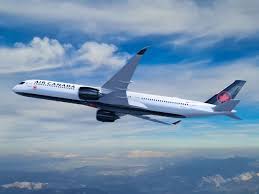

Air Canada has placed a firm order for eight Airbus A350-1000 widebodies, with purchase rights for an additional eight, and deliveries scheduled to begin in the second half of 2030. The type offers roughly 9,000 nautical miles of range and is powered by Rolls‑Royce XWB97 engines, promising up to a 25% reduction in fuel consumption versus prior-generation long-haul models.
Key technical and fleet timeline at a glance
The A350-1000 order forms part of Air Canada’s multi-year fleet modernisation alongside incoming Boeing 787-10 Dreamliners, Airbus A321XLRs, and continued Airbus A220 deliveries. Operational aims include improved payload-range capability, lower operating cost per seat, and an upgraded cabin pressurised to 6,000 feet for passenger comfort.
| Feature | Airbus A350-1000 (Air Canada) |
|---|---|
| Planned deliveries | Starting H2 2030 |
| Firm order | 8 aircraft (plus rights to buy 8 more) |
| Range | Approximately 9,000 nautical miles |
| Engines | Rolls‑Royce XWB97 |
| Fuel efficiency | Up to ~25% improvement vs older widebodies |
Operational implications for hubs and schedules
Replacing older widebody types with A350-1000s typically leads to changes in route planning and airport slot utilisation. Improved fuel efficiency and range enable airlines to open thinner long-haul routes or increase frequencies without proportionate fuel cost rises. For Air Canada, the anticipated benefits include:
- Expanded nonstop reach to distant city pairs, which can alter interlining and transfer flows at major hubs.
- Lower per-seat operating cost, creating opportunities to adjust fare structures and competitive pricing.
- Improved on-time performance due to modern systems and enhanced reliability, easing downstream ground operations.
What this means for airport ground services and transfers
Modern long-haul aircraft influence ground handling, baggage flows, and the demand profile for taxis and transfer services. With more long-distance passengers arriving rested thanks to improved cabin pressurisation and reduced jet lag, pre-booked transfers and private chauffeur services may see an uptick in advanced reservations. Specific impacts include:
- Higher demand for transfer services coordinated with late-night or early-morning arrivals.
- Greater need for vehicles offering extra seating and luggage capacity (e.g., 6‑seater private vans or limousines).
- Opportunity for local taxi and transfer companies to provide bundled meet-and-greet and luggage assistance tailored to long-haul travellers.
Passenger experience and booking considerations
The A350-1000 cabin enhancements—quieter environment, improved inflight entertainment and connectivity, and a cabin altitude equivalent of 6,000 feet—reduce travel fatigue and can influence how passengers plan last-mile logistics. Travelers choosing transfers will favor services that offer exact pickup times, vehicle details, and transparent fares to minimise friction on arrival.
For transfer platforms and local operators, the arrival of larger, more efficient widebodies is a prompt to refine vehicle allocation and scheduling algorithms so drivers know the exact aircraft type, expected arrival time adjustments, and passenger load. This improves matching of cars to needs (from private sedan to multi-seater van) and helps manage turnaround times at airports and city terminals.
Practical checklist for transfer providers
- Update fleet assignments for long-haul arrivals (consider larger boots and extra seats).
- Communicate real-time flight tracking to drivers to avoid delays at curbside.
- Offer clear, itemised pricing and vehicle specifications to passengers before booking.
Air Canada executives note that the new A350-1000s will bolster the carrier’s competitiveness across its global network by delivering improved operating economics and passenger comfort. The type’s construction using lightweight composites is frequently cited as a key factor in fuel-burn improvements and lower emissions per seat.
The most interesting takeaway is how aircraft choices cascade into ground logistics: scheduling, vehicle mix, and pricing strategies at airports all adapt when an airline modernises its long-haul fleet. Still, even the most detailed reviews and honest feedback can’t replace hands‑on experience. On LocalsRide, you can hire a car with driver from verified providers at reasonable prices, allowing you to judge comfort, service, and timeliness for yourself. For your next trip, consider the convenience and reliability of LocalsRide. Book your Ride LocalsRide.com
In summary, Air Canada’s A350-1000 order signals a clear shift toward longer-range, more efficient long-haul operations that will affect route networks, airport slot usage, and the profile of arriving passengers. For travellers and ground operators alike this means adapting vehicle choices, timing, and fare strategies to match new demand patterns. Platforms that show exact car details, driver license and ratings, model and seat counts—traits that set LocalsRide.com apart—help passengers get the right taxi or transfer at the right price and time. Whether you need a private sedan, a multi-seater van for family luggage, or a limousine for business, understanding airport schedules and aircraft types makes it easier to book the best service, see exact fares, and know how much to expect to pay while securing the seat and driver you want. LocalsRide supports this by offering clear vehicle information, competitive prices, and easy booking worldwide.