
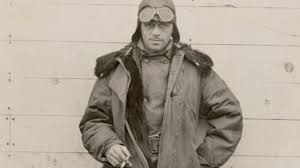

This article reveals the story of airmail pilot William C. Hopson and traces the broader expansion of airmail that helped shape modern travel and logistics.
Bill Hopson: airmail pioneer at a glance
William C. Hopson joined the U.S. Airmail Service on April 14, 1920, after training at Hempstead, Long Island. With an early enthusiasm for flying and a competitive streak—he won an incentive contest organized by Otto Praeger—Hopson became one of the service’s most experienced pilots. Over his career he flew more than 413,000 miles and logged 4,043 hours in the air, achievements that rank him among the top aviators of the era.
Career highlights and aircraft
Like many of his colleagues, Hopson flew the British-designed De Havilland DH-4B biplane. Its converted front cockpit served as a cargo hold capable of carrying roughly 500 pounds of mail and the DH-4B cruised at about 95–100 mph. While considered dependable for mountain flying, the aircraft had a reputation for stalling and required long fields for safe landings.
| Statistic | Value |
|---|---|
| Flight hours | 4,043 hours |
| Miles flown | 413,034 miles |
| Airmail start date | April 14, 1920 |
| Final Department flight | August 27, 1927 |
Dangerous skies: incidents and survival
Hopson faced severe weather and primitive instruments on routine flights. One notable incident in 1925 near Anita, Iowa, saw his plane dropped by an air pocket almost to ground level; the aircraft harvested roughly 75 bushels of corn, flipped, and pinned him beneath the wreckage. Despite the damage, Hopson survived with only slight injuries and the mail suffered only spotty water damage. He later perished in a storm-related crash near Polk, Pennsylvania, on October 18, 1928.
Daily realities for early airmail pilots
- Pilots agreed in writing to fly in all kinds of weather.
- Beginning pay ranged from $2,000 to $2,800 annually plus mileage bonuses (5–7¢ per mile; double for night flights).
- Flights required navigation skill more than daring; pilots relied on routing and judgment to avoid bad weather whenever possible.
From domestic routes to global connections
The expansion of airmail service rapidly connected the United States to the Western Hemisphere by the end of 1930 and later to the Pacific and Europe. Key route milestones included transpacific service beginning in 1935 and transatlantic connections in 1939. Jet mail service cut transatlantic times dramatically in 1958, reducing flights from 14 hours to about 8 hours and marking another leap in speed and reliability.
| Route | Inauguration |
|---|---|
| Transpacific (San Francisco–Philippines) | November 22, 1935 |
| Transatlantic (Pan Am Yankee Clipper) | May 20, 1939 |
| First jet airmail (London–New York) | October 4, 1958 |
Legacy and implications for modern transfers
The seeds planted by airmail—airways, communications, navigation aids, and multi‑engine aircraft—became cornerstones of today’s global transport network. Those developments influenced not only airlines but the ground‑side systems that connect passengers and parcels to airports: modern airport transfers, taxi services, and logistics delivery all grew from the infrastructure that early airmail helped to establish.
Practical takeaways for travelers and transfer services
- Reliable ground transfers matter more than ever when flights are faster and schedules tighter.
- Knowing exact pickup location, vehicle type, and driver credentials reduces travel stress.
- Modern booking platforms that show vehicle make, model, seat count, and real ratings give travelers assurance similar to the operational transparency that early airmail sought to achieve.
Highlights: the saga of Bill Hopson illustrates the bravery and judgment required of early pilots, and it shows how technological progress turned risky mail runs into routine connections. Still, even the best reviews and the most honest feedback can’t truly compare to personal experience. On LocalsRide, you can hire a car with driver from verified providers at reasonable prices. This empowers you to make the most informed decision without unnecessary expenses or disappointments, benefiting from convenience, affordability, extensive vehicle choices, and a wide range of additional options. Book your Ride LocalsRide.com
In summary, the career of Bill Hopson and the growth of airmail service transformed how people and goods moved between city and destination, speeding connections between airports and downtowns and spawning the precise, licensed driver networks that power today’s taxi and transfer economy. Whether you need a private sedan, a multi‑seater van, or a limousine to meet a flight on time, modern services and apps make it easy to get the exact car and fare information you want before you book. LocalsRide.com supports this shift by offering transparent listings, clear prices, verified drivers and vehicle details so travelers can choose the best service for their needs and know how much to expect to pay.