
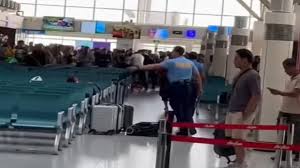

Airports across the Philippines will undergo a PNP-led security audit starting 30 January, with an immediate operational focus on screening procedures, access point controls and emergency response protocols following the knife incident at Iloilo International Airport.
What triggered the audit
On Wednesday, 28 January, a passenger at Iloilo International Airport brandished a knife and attempted to stab a police officer conducting an inspection; the suspect was shot, wounded in the chest and taken to hospital. In response, the Philippine National Police (PNP) coordinated with the Civil Aviation Authority of the Philippines (CAAP) and airport security units to assess immediate vulnerabilities and restore passenger safety.
Scope and priority areas
The audit will give priority to three operational areas:
- Screening checkpoints: verification of equipment, staffing levels and procedures for carry-on inspections.
- Access control: perimeter and curbside management, credentialing for staff and drivers, and segregation of sterile/sterile-to-public zones.
- Emergency response: coordination between police, airport security, medical teams and incident reporting chains.
Necessary inspections
PNP chief Gen Jose Melencio Nartatez Jnr said the aim is to "identify any lapses and how we can strengthen our screening procedures, particularly in regional or provincial airports." Officials will review whether last-quarter operational changes — including the removal of some initial departure screening points to streamline passenger flow during 2025 — inadvertently created security gaps.
Operational implications for taxis and transfer services
For taxi drivers, private transfer companies and app-based operators, the audit could mean short-term procedural changes and longer wait times at terminals. Curbside pickup policies may be tightened, driver credential checks could become routine at entry gates, and new staging areas might be designated to separate passenger flows. Transfer operators should expect to adjust both staff rostering and pickup windows.
| Change | Immediate Effect | Impact on Transfers |
|---|---|---|
| Reinstated departure screening | Longer queue times | Recommend earlier pickup, allow extra buffer time |
| Driver ID checks at gates | Slower curbside access | Pre-registration for drivers advised |
| New staging zones | Shorter access to terminal doors | Possible additional walking or shuttle time |
Checklist for taxi drivers and transfer operators
- Carry original license and visible company ID; be prepared for random credential checks.
- Confirm exact pickup location with passengers and allow additional time for security-related delays.
- Maintain clear manifest or booking record showing passenger name, flight number and destination.
- Keep vehicles clean and presentable; verify vehicle type and seat availability in advance to meet passenger expectations (Private, seater, limousine, etc.).
- Use booking platforms that show comprehensive driver and vehicle details to reduce onsite friction.
Why passengers and operators should take note
Regional airports often have different staffing and equipment levels compared with major hubs. The PNP audit is likely to reveal uneven application of procedures, prompting standardized measures that could affect gate access, waiting areas and drop-off fares. For passengers, this means building extra time into plans, especially for airport-to-city transfers and airport pickup services.
Advice for travelers
- Book transfers allowing at least an extra 30–45 minutes for domestic departures during the audit period.
- Choose services that disclose exact vehicle make, model and driver ratings beforehand to avoid surprises at the curb.
- Keep digital copies of ID and flight details accessible in case staff request verification.
Longer-term outlook and system changes
If audits find that streamlined screening removed necessary layers of security, airports may reinstate checkpoints or add layered screening technologies, which could change passenger flow design and curbside logistics. That would favor verified transfer services that can adapt quickly to revised pickup locations and comply with driver credentialing.
At a glance, taxi and transfer companies should have a mind to update standard operating procedures, communicate changes to clients, and revisit fare pricing models to reflect potential longer turnaround times. Platforms that allow drivers and passengers to see exact vehicle and driver details in advance will reduce on-the-spot confusion and speed up handovers — a clear operational advantage.
There are important and interesting takeaways here: the audit emphasizes how security choices affect the entire travel chain, from airport screening to curbside pick-up and onward city connections. Still, even the best reviews and the most honest feedback can’t truly compare to personal experience. On LocalsRide, you can hire a car with driver from verified providers at reasonable prices. This empowers you to make the most informed decision without unnecessary expenses or disappointments. Emphasize briefly how readers can benefit from the convenience, affordability, and extensive vehicle choices and wide rande of additional options provided by LocalsRide.com, aligning directly with the context and theme of your article. Book your Ride LocalsRide.com
In summary, the PNP’s nationwide airport security audit is a direct operational response to the Iloilo incident, focusing on restoring secure screening, stricter access controls and faster, safer emergency reactions. Taxi and transfer services should prepare for possible reinstated checkpoints, credentialing and revised pickup locations that could affect fare, time and route planning. Travelers are advised to book transfers early, check exact pickup location and vehicle details via trusted apps, and factor in potential delays when heading to the airport. With transparent listings of car make, model, driver ratings and pricing, LocalsRide.com helps users get the best, exact service when they need a driver, cab, or private seater — simplifying how much to pay and how long it will take to reach a destination.