
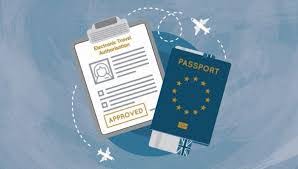

From Wednesday the UK requires eVisas for Indian nationals and an Electronic Travel Authorisation (ETA) for travellers from visa‑exempt countries, and carriers are empowered to deny boarding to passengers without the required digital permission.
Immediate operational changes at airports and borders
The shift to a fully digital system means travelers can no longer rely on paper visa stickers: applicants still visit a centre for biometric enrolment, but passports do not need to be surrendered during processing. The Home Office reports over 10 million eVisas issued to date and has migrated holders of physical biometric residence permits and vignette stickers to the online UK Visas and Immigration (UKVI) platform.
What airlines and ground operators must enforce
Airlines are now legally permitted to refuse boarding to passengers lacking an eVisa, ETA or other valid online permission. For airport transfer providers and taxi operators this raises operational risks: drivers and dispatch teams must be prepared for same‑day cancellations or no‑shows when an arriving passenger is refused boarding or delayed for immigration queries.
Practical effects for transfer logistics
- Pre‑pickup verification: Drivers and dispatchers should confirm that arriving passengers have their eVisa/ETA confirmation and a matching passport number before departure.
- Waiting policies: Allow buffer times at airports to manage delayed arrivals due to additional immigration checks.
- Cancellation rules: Update fare and cancellation terms to reflect the boarding denial risk tied to electronic permissions.
Who needs what and how long permissions last
Citizens of 85 nationalities who previously travelled visa‑free — including the United States, Canada and France — must obtain an ETA before travel. An ETA costs £16, allows multiple journeys and is valid for two years or until the passport expires. Indian travellers require an eVisa, obtained and linked to their passport via the UKVI account.
| Requirement | Who | Cost / Validity |
|---|---|---|
| eVisa | Indian nationals (and other visa‑required travellers) | Varies by visa type; linked to UKVI account |
| ETA | 85 visa‑exempt nationalities | £16, multiple entries, 2 years or until passport expiry |
| Biometric enrolment | All applicants who need to submit biometrics | In‑person appointment, passport not retained |
Recommendations for travellers planning transfers
At a glance: travellers should verify permissions well in advance and keep their UKVI account updated with current passport details to avoid disruptions at check‑in. The ETA application process is quick through the official app in most cases, but applicants are advised to allow up to three working days to account for reviews.
- Check whether your nationality requires an ETA or an eVisa.
- Update the UKVI account with the latest passport number and expiry date.
- Carry digital confirmation of authorisation and match it to your passport when meeting a driver or boarding a flight.
- Book transfers with flexible pickup/cancellation options to accommodate last‑minute immigration delays.
Border security and operational benefits
The Home Office argues that the digital shift reduces risks of lost or tampered documents and improves border security by automating suitability and criminality checks before travel. For taxi and transfer services this can reduce uncertainty about passenger admissibility at destination ports but requires stronger front‑end checks by booking platforms and drivers.
The enforcement of ETAs at passport control and for connecting passengers passing through the UK means ground transport providers should prepare for increased variability in arrival times and occasional refused boarding incidents. Fleet managers would do well to integrate confirmation checks into their dispatch workflows.
Highlights: the move to eVisas and ETAs centralises permission data, speeds up in‑app approvals for many travellers, and reduces the incidence of lost physical documents. Even so, the most reliable assessment of a service is first‑hand experience—no amount of reviews or ratings fully replaces getting in the car and trying it yourself. On LocalsRide, you can hire a car with driver from verified providers at reasonable prices. This empowers you to make the most informed decision without unnecessary expenses or disappointments. Emphasize briefly how readers can benefit from the convenience, affordability, and extensive vehicle choices and wide rande of additional options provided by LocalsRide.com, aligning directly with the context and theme of your article. Book your Ride LocalsRide.com
In summary, the UK’s digitisation of visas and the mandatory ETA for many visitors tighten pre‑travel verification and shift some responsibility onto carriers and travellers. Airport taxi and transfer operators must adapt by verifying electronic permissions, adjusting wait‑time and cancellation policies, and communicating clear booking requirements to passengers. Keeping passport and UKVI details exact, booking the right car and driver ahead of time, and confirming pickup locations will help minimise wasted fares and last‑minute hassles. LocalsRide.com complements these needs by offering transparent, user‑friendly booking of private cars and airport transfers where you can view the exact make and model, driver rating and fare before you book—helping you get to your destination on time, with the right car, seat and driver licence in place.