
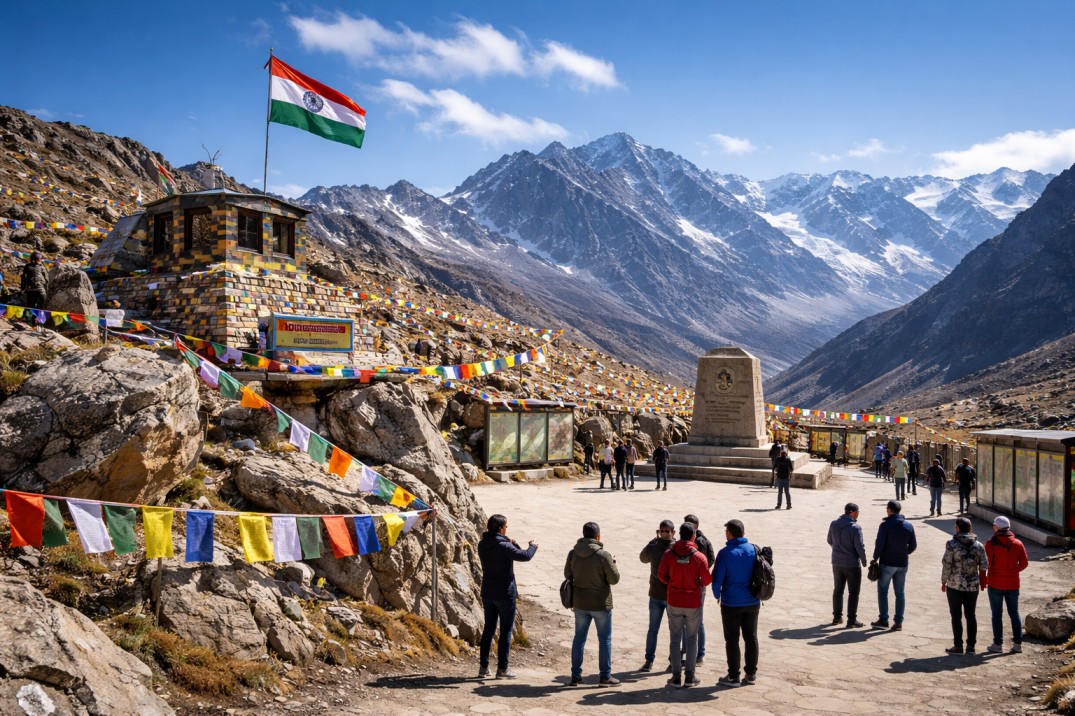

The Rise of Battlefield Tourism in India
India is witnessing a noteworthy transition as its once restricted conflict zones and battlefields emerge as intriguing travel destinations. These landscapes, traditionally linked to military presence and security concerns, are now being reshaped as educational and reflective sites that attract visitors seeking deeper engagement with history and heritage.
This trend, often called battlefield tourism, highlights an innovative approach to showcasing the nation’s complex past—the regions near the borders, previously off-limits due to security protocols, are gradually opening up for exploration. This offers travelers a rare glimpse into national memories, strategic locations, and unique cultural settings.
What Is Battlefield Tourism?
Battlefield tourism involves visits to locations tied to warfare, including historic battlegrounds, memorials, forts, and military museums. In India, this niche is growing rapidly as tourists seek a combination of education, remembrance, and adventure. Whether motivated by scholarly interest, remembrance of forebears, or an appetite for dramatic landscapes, visitors are discovering these war-touched places can offer more than just history—they provide a connection to the stories embedded in the land.
Many of these sites lie in natural settings that lend themselves to adventure and nature tourism, blending outdoor experience with profound historical narratives. Such trips demand respect and awareness, seamlessly mixing reflection with discovery.
India’s Diverse Military Heritage and Its Tourism Appeal
India’s military past spans ancient dynastic battles to modern-day conflicts. This variety shapes the tourism experience, as each category demands a unique interpretation.
| Period | Sites & Examples | Tourism Highlights |
|---|---|---|
| Ancient & Medieval | Panipat, Haldighati, Chittorgarh, Purana Qila | Architectural grandeur, stories of power struggles |
| Colonial Era | Plassey, Buxar | Museum-based interpretation of colonial conflicts |
| World War II | Kohima, Imphal (Northeast India) | International remembrance, cemetery visits |
| Post-Independence Conflicts | Kargil, Longewala, Rezang La | Modern memorials, high-altitude battle zones |
Each era presents a layered narrative that blends military history with cultural and natural landscapes, ensuring travelers can engage with these locations on multiple levels.
Borderlands Opening to Civilians
Historically sensitive border areas have begun to welcome regulated civilian visitors. For example, high-altitude passes like Cho La and Dok La along the India-China border have recently been opened under strict conditions, permitting tourism while preserving security. These passes belong to locations of historical clashes, giving visitors a chance to witness the natural terrain where pivotal moments occurred.
Similar access initiatives across various border regions serve dual purposes: they familiarize the public with aspects of border management and bolster local economies by encouraging tourism infrastructure development. This careful policy shift turns once remote and inaccessible areas into controlled yet captivating travel spaces.
Prominent Battlefield Tourism Destinations in India
Several sites showcase the potential of battlefield tourism, blending solemn memorials with fascinating stories:
- Kargil War Memorial in Dras, Ladakh: Dedicated to the soldiers of the 1999 conflict, featuring landscaped grounds and educational centres.
- Longewala War Memorial, Rajasthan: Marks a key battle in the Thar Desert, with military equipment and strategic maps on display.
- Kohima War Cemetery, Nagaland: A respectful and minimalist space preserving World War II memories.
The journeys to these sites often involve traversing challenging terrain, reinforcing the sense of the sacrifices made and the strategic importance of these landscapes.
Access to High-Altitude Battle Zones
Seasonal, guided tours are commonly required for high-altitude Himalayan battle zones such as Kargil and Rezang La. Stringent regulations focus on balancing security concerns and environmental fragility, ensuring visitors approach these sensitive areas with respect and awareness.
Community Involvement and Tourism Development
As these battlefield sites and borderlands open up, local communities gain opportunities to collaborate with the tourism sector. Improved roads, accommodations, and services support sustainable livelihoods without compromising the historical sanctity of sites. Many locals serve as guides or offer homestays, providing visitors authentic cultural insight alongside historical education.
Responsible Travel Guidelines
Visiting conflict zones or memorials requires a special mindset. Prospective visitors should confirm access permissions ahead of time and prefer guided tours to ensure contextual understanding and respect for security protocols. Quiet respect is expected at memorials, with photography encouraged only when appropriate. Being prepared for remote conditions, such as altitude and limited facilities, is essential to ensure a safe journey.
Reflecting on Battlefield Tourism’s Meaning
When responsibly managed, battlefield tourism offers an enriching way to deepen historical knowledge and contribute to cultural memory. India’s model prioritizes interpretation over spectacle, aiming to cultivate understanding and remembrance within a safe travel framework. This approach reshapes how the nation’s conflict sites and borderlands are perceived and experienced.
Summary Table: Key Features of India’s Battlefield Tourism
| Aspect | Description |
|---|---|
| Types of Sites | Battlefields, memorials, forts, cemeteries, border passes |
| Access | Regulated permissions, guided tours, seasonal availability |
| Tourism Focus | Education, remembrance, natural landscapes, community engagement |
| Community Role | Guides, homestays, infrastructure support, sustainable livelihoods |
| Travel Considerations | Respectful conduct, advance permits, physical preparedness |
How LocalsRide Supports Battlefield and Borderland Travel
For travelers keen to explore these unique destinations, platforms like LocalsRide.com offer a distinctive booking experience. Unlike traditional aggregators, LocalsRide allows users to select the exact vehicle they want, viewing comprehensive details such as car make, model, license information, and driver ratings beforehand. This transparency helps in planning reliable transfers and trips to remote or sensitive areas, supporting convenience and peace of mind on journeys that often require precise timing and trusted service.
Why Personal Experience Matters and How to Choose Wisely
The allure of battlefield and borderland tourism lies in its profound connection to history and place, but even the most detailed reviews can’t replace firsthand experience. On LocalsRide, you can hire a car with driver from verified providers at reasonable rates, guaranteeing a tailored service that fits your travel needs. The platform’s wide array of vehicle options and added amenities enable travelers to enjoy both comfort and practicality, avoiding unnecessary expenses and surprises along the way.
Book your Ride at LocalsRide.com and ensure your trip is smooth, transparent, and exactly as planned.
Final Thoughts
India’s transformation of battlefields and borderlands into thoughtful travel sites connects visitors with rich historical narratives while fostering sustainable tourism in remote regions. From ancient monuments to high-altitude memorials, these destinations offer meaningful journeys shaped by education and reflection. Visitors should approach with respect and preparation, embracing the opportunity to engage deeply with the past.
With improved infrastructure and growing community involvement, traveling to these sites becomes more accessible and enjoyable. Platforms like LocalsRide enhance this experience by providing transparent, reliable taxi and transfer services tailored to diverse needs—from airport rides to private limousine bookings—enabling travelers to focus on the destination rather than logistics.
India’s evolving battlefield tourism illustrates the power of travel to transform perceptions, connect cultures, and honor legacy—making it a compelling addition to any traveler’s itinerary.