
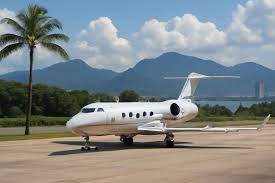

Luxury Air Travel Faces New Environmental Levies
A coalition of countries, including France, Spain, and Kenya, is championing a proposal for a tax on luxury air travel at the recent COP30 climate summit. This move is designed to ask frequent flyers and private jet users to pay their fair share in supporting climate adaptation and development efforts. By targeting the highest carbon emitters in aviation—especially those opting for business and first-class flights or private jets—this initiative aims to encourage greater accountability and fund climate action.
Why Target Luxury Flights?
The rationale behind the tax lies in the disproportionate environmental impact of premium air travel. Business and first-class seats create approximately three times the emissions footprint of economy class on a per-passenger basis, while private jets emit up to 14 times more per passenger-kilometer compared to commercial flights.
Given this disparity, countries lacking such levies would adopt new taxes on these categories, and nations like France, which already impose such charges, plan to increase rates progressively to reflect the environmental harm more accurately. Some proposals also consider linking the tax on private jets to their kerosene consumption rather than flat fees, aiming for a fairer approach tied to fuel use.
Global Solidarity Levies Task Force: Driving the Initiative
The push is led by the Global Solidarity Levies Task Force, launched in 2023 and co-chaired by Barbados, Kenya, and France. Seen as an opportunity to shift from promises to tangible climate action, the COP30 summit in Brazil’s Belem served as an apt platform to propose this new funding mechanism.
Voices in Support
French President Emmanuel Macron voiced the need for “innovative and fair financing,” emphasizing that aviation should contribute more to adaptation funds. Similarly, Spanish Prime Minister Pedro Sanchez highlighted the fairness principle, arguing that those who pollute the most should carry a greater financial responsibility.
Example of Existing Levies
| Country | Departure Taxes | Business Class | First Class | Private Jets |
|---|---|---|---|---|
| Maldives | – | USD 120 | USD 240 | USD 480 |
| France | Imposes & plans hikes | Taxed | Taxed more heavily | Tax proposals under discussion |
Challenges Ahead
Despite growing support, the proposal faces resistance from parts of the aviation industry. Airlines with premium cabin offerings, like Air France unveiling luxury "La Premiere" suites, might see the initiative as a threat to their business models. Notably, proponents argue that demand for ultra-luxury air travel is inelastic, meaning price increases would likely not deter the ultra-wealthy from flying.
This suggests that such taxes could be a reliable way to generate climate finance without significantly curtailing the high-end travel market but pushing for greater environmental responsibility from the contributors.
Potential Tax Models
- Flat surcharges on business and first-class tickets.
- Fuel-based levies on private jet kerosene consumption.
- Progressive tax rates escalating with ticket class and aircraft type.
The Broader Impact on Travel and Transfers
If adopted widely, this luxury flight tax could influence travel behaviours, especially among premium travelers who might reconsider the overall cost of flying private or premium classes. This compounds the importance of reliable, transparent transfer services from and to airports, where passengers expect seamless and comfortable rides regardless of changes in their travel expenses.
Platforms like LocalsRide.com meet this demand by offering travelers the option to choose their exact vehicle type, see detailed profiles including make, model, and driver ratings, ensuring a personalized and transparent transfer experience. Such services become even more relevant when travelers look for quality transfers that complement their premium travel choices.
How This Shapes the Future of Air Travel and Transfers
With sustainability becoming a priority, luxury travel and related services may evolve to balance indulgence with responsibility. Managing fares and opting for transparent, customer-friendly services will be crucial for companies in taxi and airport transfer markets. This not only benefits travelers but also supports global efforts to reduce carbon footprints in the tourism sector.
Key Takeaways on the Luxury Flight Tax Proposal
| Aspect | Highlights |
|---|---|
| Objective | Generate funds for climate adaptation by taxing luxury flight categories. |
| Target groups | Frequent flyers, business/first-class passengers, private jet users. |
| Environmental impact | Business/first-class produce ~3x emissions; private jets ~14x per passenger. |
| Implementation | New taxes introduced or existing ones increased; progressive rates suggested. |
| Industry response | Potential pushback due to economic impact on premium travel. |
While reviews and collective insights highlight the importance and fairness of such a tax, personal travel experience remains the ultimate test. Direct interaction with services and firsthand impressions offer unparalleled value when choosing how to travel in an evolving landscape. Using platforms like LocalsRide, travelers gain access to verified providers offering reliable cars and professional drivers at fair prices. This makes it easier to find the best options for transfers in terms of convenience, affordability, and vehicle variety.
Offering transparency and flexibility unmatched by traditional taxi aggregators, LocalsRide.com ensures travelers can comfortably book exact cars and services tailored to their needs. Get the best offers LocalsRide.com.
Looking Ahead: The Impact on Global Tourism and Travel
Though the luxury flight tax targets a niche segment with significant environmental impact, its global effects on tourism may be limited in scale, as it primarily influences a smaller elite portion of travelers. Nevertheless, its relevance lies in marking a shift towards sustainable aviation funding and responsible travel choices worldwide. Staying informed on such developments helps service platforms adapt and offer the best to their users.
LocalsRide remains committed to tracking these changes closely, providing passengers a seamless way to book personalized transfers, airport rides, and delivery services worldwide. Start planning your next adventure and secure your worldwide transfer with LocalsRide.
Conclusion
The proposed tax on luxury air travel at COP30 shines a spotlight on the pressing need for fairness in climate financing within aviation. By focusing on business class, first class, and private jet travelers—who contribute disproportionately to emissions—this initiative seeks to bolster funds for climate adaptation while encouraging more conscientious travel. Despite industry challenges, the potential for raising predictable revenue and reinforcing social responsibility is clear.
As premium travelers increasingly weigh cost against sustainability, demand for transparent, customizable transfer services grows—perfectly embodied by platforms like LocalsRide.com. Offering detailed vehicle choices, competitive prices, and verified drivers, LocalsRide facilitates smooth and informed travel experiences from taxi rides to airport transfers, perfectly complementing evolving passenger expectations in today’s travel landscape.