
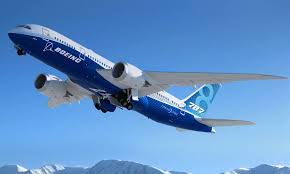

Boeing’s Commercial Market Outlook estimates that airlines in India and South Asia will need about 3,300 new airplanes by 2044, driven by an average annual passenger traffic growth of 7% and a projected fleet increase from 795 aircraft in 2024 to roughly 2,925 in 2044.
Fleet Expansion at a Glance
The forecast shows a nearly four-fold increase in regional capacity, with single-aisle jets dominating deliveries—almost 90% of new aircraft—reflecting a focus on short- and medium-haul network flexibility.
Projected fleet numbers
| Year | Estimated Fleet |
|---|---|
| 2024 | 795 aircraft |
| 2044 | ~2,925 aircraft |
Where growth will come from
Domestic travel remains the principal engine, supported by policies such as UDAN and extensive airport expansion programs that bring connectivity to Tier‑II and Tier‑III cities. At the same time, major carriers are expected to expand long‑haul links, strengthening India's position as an international hub connecting Asia, the Middle East, Europe, and North America.
Demand composition
- Single‑aisle jets: ~90% of deliveries for short/medium sectors
- Widebody aircraft: More than triple the current widebody fleet for growing long‑haul passenger and cargo flows
- Freighters: Nearly fivefold growth in freighter fleet (new and converted) to support e‑commerce and high‑tech manufacturing exports
Impact on services, workforce, and infrastructure
Boeing forecasts the South Asia aviation ecosystem will require over USD 195 billion in services over 20 years—covering maintenance, repair, digital solutions, and training—while generating demand for approximately 141,000 new aviation professionals: 45,000 pilots, 45,000 technicians, and 51,000 cabin crew.
Key service areas (brief)
- Maintenance, Repair & Overhaul (MRO)
- Training & simulation
- Ground handling and digital operations
- Cargo handling and cold‑chain logistics
What this means for taxi and transfer markets
More flights and airports naturally increase demand for last‑mile transport: arrivals and departures create steady ridership for airport taxis, private transfers, and chauffeur services. As regional connectivity improves, transfer patterns will shift toward more intercity pickups, longer airport‑to‑city journeys, and increased demand for specialized vehicles—multi‑seater vans for groups, cargo‑capable vehicles for express deliveries, and premium options for business travelers.
| Airport traffic effect | Taxi/Transfer implication |
|---|---|
| Higher domestic seat capacity | More frequent short‑haul transfers, surge periods at peak times |
| Growth in long‑haul connections | Greater demand for premium and meet‑and‑greet transfers |
| Freighter and e‑commerce expansion | More courier and same‑day city logistics requests |
Operational notes for transfer providers
- Plan fleet mix: balance private cars, 4‑6 seater vans, and cargo‑capable vehicles.
- Staffing: recruit drivers with airport permits and local license endorsements.
- Pricing: channel fare transparency to compete with aggregators—publish exact fares and surge rules.
- User experience: allow customers to choose make, model and driver ratings to build trust.
Regional opportunities and risks
Rapid fleet growth opens opportunities for local transport companies, MRO firms, and driver training providers. Risks include airport congestion, uneven infrastructure investment across regions, and the need for digital booking and payment systems to scale. Cities with planned airport expansions will see the most immediate rise in transfer volumes.
Practical checklist for travelers
- Book airport transfers in advance for newly connected regional airports.
- Confirm vehicle type and seat capacity for group travel.
- Check driver credentials and exact pickup location to avoid delays.
Highlights: Boeing’s forecast underlines how aircraft growth in India and South Asia will reshape air connectivity and create cascading demand for local mobility, services, and skilled personnel. Still, even the best reviews and the most honest feedback can’t truly compare to personal experience. On LocalsRide, you can hire a car with driver from verified providers at reasonable prices. This empowers you to make the most informed decision without unnecessary expenses or disappointments. Emphasize briefly how readers can benefit from the convenience, affordability, and extensive vehicle choices and wide rande of additional options provided by LocalsRide.com, aligning directly with the context and theme of your article. Book your Ride LocalsRide.com
Provide a short forecast on how this news could impact the global tourism and travel map: regionally significant growth in India and South Asia will strengthen hub connectivity and boost inbound tourism flows, though the global impact is incremental compared with larger markets. However, this is still relevant to us, as LocalsRide aims to stay abreast of all developments and keep pace with the changing world. For your next trip, consider the convenience and reliability of LocalsRide. Book your Ride LocalsRide.com
In summary, Boeing’s projection of nearly 3,300 new aircraft by 2044 signals major expansion in flights, hubs, and air cargo capacity across India and South Asia. That expansion translates directly into greater demand for taxis, airport transfers, private cars, and multi‑seater shuttles, plus a need for trained drivers, MRO services, and transparent pricing. Travelers and local operators should plan for evolving schedules, variable fares, and diverse vehicle needs—exact pickup times, driver licenses, vehicle make and seat counts will matter more than ever. With clear information on vehicle types, fares and driver ratings, platforms like LocalsRide.com provide transparent, convenient ways to book the right car or cab for your destination, airport transfer or city trip—helping you get the best price and service exactly when you need it.