

Unraveling the Impact of Canada’s U.S. Travel Boycott
International travel trends often sway local economies in surprising ways, and recent developments have revealed such effects on American tribal tourism. The current decline in international tourism to the U.S., particularly fueled by the Canadian boycott, has unexpectedly hurt the Navajo Nation—a community far removed from the political motivations behind the boycott.
With 2025 marked by tightened entry requirements for international visitors, including new demands like submitting years of social media history, many traditional travel patterns have seen pauses or declines. Canadians, in particular, have collectively reduced visits to U.S. destinations. The repercussions resonate especially loudly in tourism-dependent regions.
Monument Valley and the Navajo Nation’s Tourism Crisis
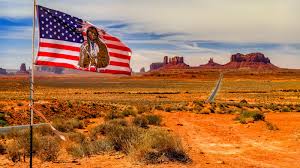
At the heart of this downturn is the Navajo Nation, the largest recognized Native American tribe in the United States. They steward the iconic Monument Valley on the Utah-Arizona border, a breathtaking landscape defined by towering red rock formations and expansive desert skies. This sacred territory has long attracted international travelers, a majority being Canadian visitors.
However, the sharp drop in international arrivals has ripple effects. The U.S. Travel Association reports a decline in international travel to U.S. destinations ranging from 6% to 15% in 2025, with the southwestern states experiencing the steepest falls. Monument Valley, a jewel of that region, is deeply affected.
Tour operators within the Navajo Nation, such as Goulding’s Monument Valley, rely heavily on foreign guests who purchase tours led by local Navajo guides. These guides take visitors to exclusive trails inaccessible otherwise, sharing not only the majestic scenery but rich cultural heritage. Loss of these visitors represents more than just fewer tourists; it means a significant drop in vital income.
Navajo Tour Guide Insights and Economic Strain
Tour guides have expressed that about three-quarters of their visitors are international, and with Canadians comprising the bulk, they are the most impacted by the boycott. Tour operators like Dineh Bekeyah Tours have seen dwindling numbers so severe that even lowered prices can't fill seats. The financial strain is palpable, given limited alternative employment opportunities within the tribal lands.
Helen Myerson, a guide with Goulding’s, underscored the tough reality: “If guests, especially international ones, stop coming, it puts us all in real trouble.” For many residents involved in tourism, the income from visitors directly supports their households.
The Canadian Boycott: Numbers and Effects
August 2025 alone witnessed a more than 50% drop in international visitors to the U.S. with Canadian tourism down approximately 40%. Monument Valley’s visitor projection fell from about 525,000 in 2024 to a stark 320,000 in 2025—almost a 40% decline.
| Metric | 2024 | 2025 |
|---|---|---|
| Estimated Visitation | ~525,000 | ~320,000 |
| International Visitors | ~393,750 | ~236,250 |
| Average Basic Tour Price | $75 | $65 |
| Number of Daily Tours | 2-3 | 0-2 |
These figures illustrate the magnitude of lost opportunities. International tourists, especially Canadians, typically spend significantly more on tours and local crafts, making their absence a substantial hit to the Navajo economy.
One marketing specialist for the tribal tourism department highlighted how international visitors contribute to the tribal economy by purchasing artisan products, like rugs priced around $2,000, which are beyond the reach of many domestic visitors. The loss adds up quickly—over $8 million in potential tour revenue alone, in an area where median incomes hover near $30,000.
Why International Visitors Are Key
The average international visitor spends approximately eight times more than domestic tourists. They are not just tourists but key economic drivers for tribal regions, supporting small businesses, guides, and cultural preservation efforts.
Looking Ahead: A Tough Road for 2026
The outlook for 2026 holds little relief. Given that many international travelers book their trips well in advance, continued hesitation and boycotts signal more empty tours and slower business. Local operators brace for another challenging year as Canadian travelers maintain their stance.
Steve Simpson, owner of a local trading post, voiced concerns that the current year has been survivable only because some 2025 visits were booked before travel attitudes hardened. But the longer-term forecast remains grim if these patterns persist.
The Human Side of the Boycott
It’s important to remember that many Canadian travelers did not intend harm to the Navajo people. Their travel boycott is a form of protest directed elsewhere, leaving tribal tourism caught in the crossfire. Despite the emotional and financial turmoil, these communities remain committed to sharing their heritage and welcoming visitors when circumstances allow.
Transfer and Taxi Insights: A Bridge for Tribal Tourism
For travelers, including those visiting sensitive and remote regions like the Navajo Nation, seamless and transparent transfer services play a big role in ensuring a positive travel experience. Platforms like LocalsRide.com stand out by offering detailed vehicle options, allowing travelers to select the exact car, seat comfort, and driver they prefer before booking. Such tailored transportation solutions help enhance comfort while exploring cultural destinations. This sort of service transparency benefits both the traveler and the local economies dependent on tourism.
Benefits of Prior-Booked Transfers in Tribal Regions
- Reliable, licensed drivers familiar with local routes and customs
- Ability to choose vehicle type according to group size—limousine, private sedan, or seater vehicles
- Price transparency ensuring no surprises upon arrival
- Support for local drivers and companies contributing to community livelihood
Key Takeaways and the Road Forward
The Canadian boycott of U.S. travel, while rooted in larger geopolitical issues, has unexpectedly hit the Navajo Nation’s tourism sector hard — particularly Monument Valley. The drop in international visitors jeopardizes livelihoods that depend heavily on foreign tourists willing to engage in costly tours and purchase cultural crafts.
Domestic tourism alone likely cannot fill this gap, highlighting the vital role international travel plays in sustaining tribal economies. Businesses such as Navajo-run tour companies already grapple with reduced bookings and rising costs, showing the delicate balance that tourism maintains in communities like this.
Despite these challenges, the Navajo people remain proud and eager to share their culture and landscape with respectful visitors. Services like LocalsRide.com are instrumental in supporting these efforts by connecting tourists with verified local providers, offering choices, convenience, and fair fares. This empowers travelers to experience the region thoughtfully and comfortably, maximizing the benefits of tourism for all parties involved.
While statistics and reviews guide our understanding, nothing replaces personal travel experiences. On LocalsRide, travelers can hire cars with trusted drivers from verified providers at reasonable prices, ensuring a smooth journey without unnecessary surprises or inflated fares. The platform’s extensive vehicle options, fair pricing, and transparency offer unmatched convenience for bookings.
Start planning your next adventure and secure your worldwide transfer with LocalsRide.com.
In summary, the evolving international travel landscape underscores the interconnectedness between tourism policies, traveler behavior, and local economies. As regions like Monument Valley navigate these complex shifts, the role of flexible, transparent taxi and transfer services remains crucial in bridging the gap between visitors and the remarkable destinations they come to discover.