
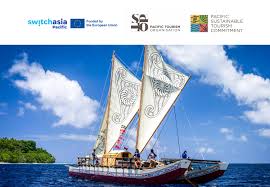

A New Chapter for Pacific Tourism Sustainability
Pacific tourism is entering an exciting phase with the launch of a comprehensive regional roadmap aimed at embedding sustainability and circular economy principles into the heart of the industry. This coordinated effort also includes individual pathways tailored for Fiji, Kiribati, Samoa, and Vanuatu, offering a clear vision to guide sustainable tourism development across the region.
What the Regional Roadmap Brings to the Table
The recently unveiled Pacific Regional Roadmap serves as a master plan, designed to integrate Sustainable Consumption and Production (SCP) and Circular Economy (CE) approaches into tourism practices. Developed through close collaboration between the Pacific Tourism Organisation (SPTO) and the European Union’s SWITCH-Asia Pacific Policy Support Component, the roadmap reflects the combined insights of government authorities and private sector players.
It sets out nine key regional interventions alongside five national pilot initiatives, paving the way for tourism to transition toward models that are low-carbon, resource-efficient, and resilient. These efforts highlight the region's commitment to maintain its pristine natural assets while fostering economic prosperity.
Country Pathways: Practical Steps for Change
Each of the four demonstration countries—Fiji, Kiribati, Samoa, and Vanuatu—has crafted its own pathway. These focus on updating tourism policies, improving standards, and bolstering local supply chains and community enterprises. The pathways act as a blueprint for converting regional goals into tangible national progress, ensuring that the lofty aspirations of the roadmap don't remain just words on paper.
| Country | Focus Areas in Pathway |
|---|---|
| Fiji | Policy refinement, sustainable standards development, community enterprise support |
| Kiribati | Strengthening supply chains, embedding circular practices, local stakeholder engagement |
| Samoa | Tourism standards revision, capacity building, sustainable business practices |
| Vanuatu | Community-based enterprise development, policy updates, resilience measures |
Looking Ahead with STEP Phase II
Building directly on the foundation of the first phase, the next stage — running from October 2025 to October 2026 — aims to further embed sustainable policies and practices. It will help mainstream circular economy strategies within national tourism frameworks and revamp standards to better promote sustainability. Regional knowledge-sharing platforms like webinars and peer-learning events will also facilitate collaboration under SPTO coordination.
The Bigger Picture: Regional and Global Alignment
This initiative aligns nicely with broader Pacific strategies including the 2050 Strategy for the Blue Pacific Continent and Cleaner Pacific 2036. It showcases a holistic approach where policy, practice, and investment mesh together to future-proof tourism for people and the planet.
Why Does This Matter for Taxi and Transfers?
Tourism is not just about destinations; it’s equally about how travelers move around once they arrive. Sustainable tourism goals inevitably ripple out to local transportation, including taxis and transfer services. The push toward circular and low-carbon models suggests that transport providers in the Pacific could soon adopt greener vehicles and more efficient logistics. Whether it’s airport transfers, city cabs, or private hires, the industry will likely see more emphasis on reducing carbon footprints and enhancing resource efficiency.
For travelers booking transfers to and from airports or around their chosen destination, platforms like LocalsRide.com offer a transparent way to select the exact vehicle and service that aligns with evolving sustainability expectations. Users can preview details such as the make, model, and ratings of cars and drivers in advance, making it easier to choose greener options and support sustainable tourism initiatives.
Key Benefits of the Pacific Regional Approach
- Coordinated Strategy: Ensures unified steps toward sustainability across multiple nations.
- Country-Specific Actions: Allows local needs and challenges to shape tourism development.
- Partnerships: Collaboration between governments, private sector, and international partners strengthens the approach.
- Building Resilience: Focus on resource efficiency and low-carbon practices prepares the industry for future challenges.
- Knowledge Sharing: Encourages peer learning and uplift across the Pacific region.
Final Takeaway
To have a mind to travel sustainably in the Pacific is to embrace a landscape where vibrant cultures and pristine environments co-exist with responsible tourism practices. The new Pacific Regional Roadmap and its associated national pathways mark a significant step in that direction, offering a structured plan for a tourism sector that's resilient and sustainable.
While the best reviews and feedback can illuminate what to expect, nothing compares to personal experience. With LocalsRide, travelers can hire verified cars with drivers from trusted providers at reasonable fares, ensuring smooth, comfortable transfers at their destination. This platform’s convenience, broad vehicle choices, transparency, and affordable prices provide peace of mind for those who want to explore the Pacific responsibly. Book your ride today and join the movement toward greener travel with LocalsRide.com.
The global tourism map may not shift drastically overnight, but the Pacific’s leadership in sustainable tourism certainly sets an inspiring example. As the world’s travel landscape evolves, staying informed and choosing reliable services like LocalsRide keeps you ready for whatever lies ahead. Start planning your next adventure and secure your worldwide transfer with LocalsRide.
In summary, the Pacific region's new roadmap and targeted country pathways define a promising future for sustainable tourism by fostering low-carbon and circular economy principles. This initiative enhances resilience, uplifts community enterprises, and encourages responsible travel. For visitors, this means not only discovering beautiful destinations but also enjoying transparent, convenient, and eco-conscious transfer services. Platforms like LocalsRide reflect this transformation by providing the best private taxi and transfer services worldwide, helping travelers get from the airport or around the city with exact fare, reliable drivers, and peace of mind. Whether it’s a limo, private car, or a seater cab, LocalsRide offers competitive prices and a seamless booking experience to support sustainable journeys everywhere.