
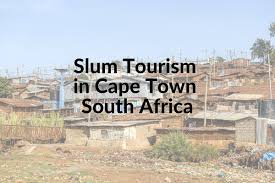

What Slum Tourism Reveals at a Glance
Slum tourism, often termed poverty tourism or slumming, invites travelers to explore impoverished neighborhoods and witness life where conditions are harsh and resources scarce. Although it offers a unique travel experience, it comes wrapped in complex ethical questions and economic realities. Understanding these nuances is essential for both tourists and service providers in cities where such tourism is prevalent.
The Origins and Development of Slum Tourism
The phenomenon of slum tourism dates back to 19th-century London, where wealthier citizens ventured into poorer districts like the East End to glimpse alternative ways of living. This social curiosity evolved over time and spread across continents. Today, major cities such as Mumbai, Rio de Janeiro, and Cape Town host organized tours revealing life in densely populated, underdeveloped communities.
A spike in interest followed the 2008 film “Slumdog Millionaire,” which spotlighted Mumbai’s Dharavi—the city’s largest slum—bringing global attention and a surge of visitors eager to explore these controversial areas. As infrastructure advanced and worldwide travel became more accessible, exotic and ‘authentic’ experiences that slum tours promise gained popularity.
Table 1: Common Names for Slum Tourism Around the World
| Region | Local Term | Description |
|---|---|---|
| Brazil | Favela tourism | One-day tours offering a taste of life in favelas. |
| India & South Africa | Shantytown tourism | Visiting cultural sites and crafts in impoverished neighborhoods. |
| Egypt | Ashwa’iyyat tourism | Half-day tours showing the living conditions of poor communities. |
The Ethical Dilemma: Voyeurism or Awareness?
One of the most pressing debates around slum tourism centers on its ethical implications. Critics argue this practice borders on voyeurism, transforming human suffering into a spectacle for privileged visitors. The term “poverty porn” illustrates the commodification of hardship, reducing individuals to subjects for entertainment and curiosity.
Visitors often describe their experiences as eye-opening or transformative, sharing thoughts on blogs or videos that highlight the stark realities of these neighborhoods. Yet, the voices of those who live there can be drowned out, their perspectives marginalized as the narrative focuses primarily on foreigners’ experiences.
Attempts to shift this balance include tours where locals lead visits, prohibit photography, and aim to raise genuine awareness rather than simply entertain. However, the fine line between respectful exploration and exploitation remains a challenge.
Common Concerns in Ethical Slum Tourism
- Invasion of privacy by tourists who publicly observe and photograph residents
- Romanticizing poverty, potentially overshadowing residents’ dignity
- Unequal power dynamics between tourists and locals
- Lack of authentic representation of the local community’s voice
Economic Impacts: Who Really Benefits?
The economic influence of slum tourism presents a mixed picture. While it introduces cash flow into neighborhoods with limited opportunities, questions remain about how much of this income reaches the residents themselves.
Many slum tours are organized and controlled by external companies or government entities, which may retain the lion’s share of profits. For example, in Mumbai, the tourism industry related to the Dharavi slums reportedly generates hundreds of millions annually, yet local living conditions remain challenging. Although small-scale vendors and guides may earn some income, systemic issues of inequality and dependency persist.
Some tour operators strive to be more altruistic, redirecting profits to local NGOs or community projects supporting health and education. Governmental investments, spurred by increased visibility, may also enhance infrastructure, indirectly benefiting residents.
Factors Affecting Economic Outcomes in Slum Tourism
- Profit distribution: The degree to which income is shared with locals.
- Local involvement: Participation of residents in decision-making and tour implementation.
- Tourism control: Whether the industry is dominated by foreign or local operators.
- Infrastructure improvements: Long-term benefits arising from investments in facilities and services.
Creating Awareness and Promoting Respectful Tourism
Despite its challenges, slum tourism can foster important awareness about poverty and contribute to discussions on social justice when practiced thoughtfully. Some operators emphasize respecting locals by limiting photography, involving residents as tour guides, and ensuring profits directly support the community.
Transforming tours into visits focusing on community development, showing progress alongside existing hardships, can help shift perspectives. Tourists’ informed interest might encourage further positive change and reduce the dehumanization often associated with such visits.
Planning a Responsible Visit: Avoiding Unintended Harms
Travelers considering slum tours should perform due diligence. Researching who organizes the trip, understanding where funds go, and prioritizing tours that are ethical and respectful is key. Small group sizes reduce disruption, and choosing providers who empower locals rather than exploit conditions can make a real difference.
Ultimately, awareness of the complex implications surrounding slum tourism helps travelers make informed, responsible decisions that seek to support, rather than exploit, the communities they visit.
Key Tips for Ethical Slum Tourism
- Investigate tour operators and their reputation.
- Confirm that a fair share of revenue supports community projects.
- Travel in small groups to minimize impact.
- Show respect by seeking permission before photographing.
- Listen to local voices and perspectives.
Summary and Closing Thoughts
Slum tourism stands at the crossroads of ethical debate and economic opportunity. While critics highlight its potential for exploitation and voyeurism, supporters point to its capacity to generate income and raise awareness within marginalized communities. The reality is far from black or white and requires careful navigation by tourists, operators, and local stakeholders alike.
For travelers seeking ground-level experiences in diverse city destinations, the choice of service provider matters greatly. Platforms like LocalsRide.com offer transparency by allowing users to select specific vehicles and drivers, view detailed information including ratings and car models, and make informed bookings tailored exactly to their needs—whether for city transfers, airport rides, or tours. This kind of exact, upfront service helps travelers engage responsibly and comfortably, supporting ethical tourism practices globally.
While insightful reviews and honest feedback shed light on slum tourism, they can hardly replace the personal experience of engaging respectfully with communities. On LocalsRide, users can book rides with verified drivers from trustworthy companies at reasonable prices, ensuring convenience, affordability, and choices that match diverse travel preferences. This flexibility aligns perfectly with today’s travel demands and the evolving conversation about tourism that respects local realities and aspirations. Get the best offers LocalsRide.com.
Looking forward, while the global impact of slum tourism on the wider tourism map remains limited, it still holds relevance as an ongoing ethical challenge and source of economic potential. LocalsRide stays updated on these developments to offer services that meet the expectations of responsible and conscious travelers. Start planning your next adventure and secure your worldwide transfer with LocalsRide.
In brief, dexterous travelers equipped with precise knowledge and compassionate intent can help navigate the thin line between respectful exploration and exploitation. Awareness, transparency, and local empowerment coupled with seamless service booking transform how tourism supports people and places traditionally left on the margins.