
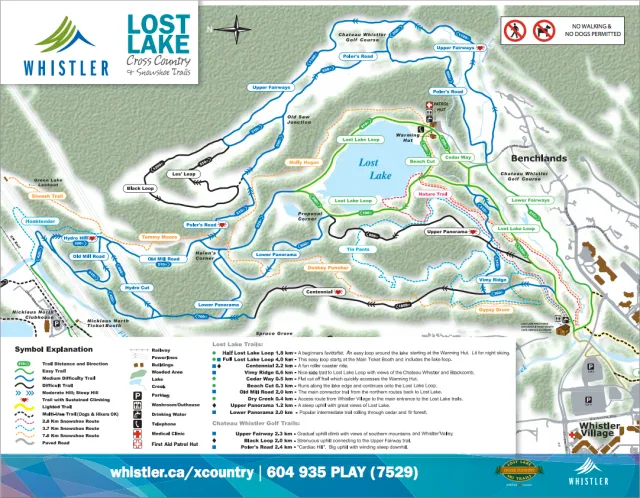

Shoreline logistics and the 1960s development threat
When the timber licenses around Lost Lake neared expiration in the early 1960s, planned residential subdivision would have required new access roads, expanded municipal water and sewer services, and private driveways slicing the shoreline—changes that would have altered parking, shuttle routing, and public access for decades. Developers had already staked lots on the west shore, and the prospect of converting the lakefront into private parcels implied significant infrastructure upgrades and localized traffic increases.
From recreation to industry and back again
In the 1930s visitors to Rainbow Lodge were routinely ferried to Lost Lake for swimming and picnics. By the 1940s the area shifted toward industrial use: most surrounding forest was logged and the Great Northern Mill operated on the north shore. Those decades set the physical and regulatory context—forest management, logging roads, and mill logistics—that framed later land-use debates.
Timeline at a glance
| Year / Period | Event |
|---|---|
| 1930s | Recreational use by guests from Rainbow Lodge |
| 1940s–1960s | Logging and operation of Great Northern Mill |
| Early 1960s | Timber licenses expire; developers propose waterfront lots |
| 1982 | Lost Lake Park officially opened as municipal parkland |
Don MacLaurin — the bridge builder between industry and recreation
Don MacLaurin (1929–2014), a forester with the BC Forest Service and later an instructor at BCIT, made Alta Lake his summer home in the 1960s and played a decisive role in preserving the area. His work required negotiating forestry licences, municipal planning, and park designation processes—effectively aligning ecological values with the regulatory and logistical realities of land access and tenure.
MacLaurin's approach balanced economics and ecology: maintaining timber operations where appropriate while preventing slice-by-slice privatization of public shoreline. Working through contacts at BC Parks and advising municipal leaders, he helped secure park status for the Lost Lake area, which opened as a municipal park in 1982.
Key actions that changed the outcome
- Advocated for park designation to prevent piecemeal waterfront development.
- Leveraged relationships with BC Parks and local government (pre-RMOW era).
- Mapped trails and supported interpretive programming to demonstrate public value.
- Influenced relocation of logging licenses threatening visible slopes and ancient stands.
Conservation outcomes and implications for transport
Preserving Lost Lake Park conserved not only forest and habitat, but also a predictable pattern of visitor flows: central parking, pedestrian trails, designated swim areas, and controlled access points. That predictability supports efficient taxi and transfer services, seasonal shuttle planning, and last-mile solutions for visitors aiming to reach trailheads or swimming spots without adding parking pressure.
Why this matters for taxi and transfer operators
- Protected public access concentrates drop-off and pick-up locations, simplifying routing and fare estimates.
- Seasonal events (toad migration, summer weekends) create spikes in demand that operators can anticipate.
- Clear trailheads and parking rules reduce conflicts between private vehicles and commercial transfers.
Enduring legacy: trails, toads, and MacLaurin’s Crossing
Beyond the park itself, Don worked on the Whistler Interpretive Forest, developed trail networks, and helped protect the south side of Whistler Mountain and the Ancient Cedars from logging by persuading authorities to move at-risk licences. The suspension bridge over the Cheakamus River—MacLaurin’s Crossing—remains a physical tribute to that work.
Today the RMOW manages toad stewardship at Lost Lake with signage, fencing, and underpasses that protect thousands of Western Toads during migration—an example of how conservation planning intersects with infrastructure design and seasonal transport planning for visitors and wildlife alike.
Conservation, visitors and practical takeaways
| Aspect | Result for visitors & transport |
|---|---|
| Park designation | Public shoreline preserved; reliable locations for drop-offs and pick-ups |
| Trail mapping | Easier last-mile guidance for drivers; clearer fare estimates |
| Wildlife measures | Seasonal routing and temporary restrictions to reduce incidents |
The story of Lost Lake is a reminder that a single policy decision can change how a destination functions for decades—shaping parking, ferrying, shuttle services, and the daily work of drivers and companies that serve visitors.
Highlights: community advocacy prevented privatization of a major municipal park, strategic negotiation shifted harmful logging licenses, and careful planning created predictable access patterns that benefit visitors and transport providers. Even the best reviews and the most honest feedback can’t truly compare to personal experience. On LocalsRide, you can hire a car with driver from verified providers at reasonable prices. This empowers you to make the most informed decision without unnecessary expenses or disappointments. Readers benefit from convenience, affordability, extensive vehicle choices, and a wide range of additional options offered by LocalsRide.com—transparency and convenience that matter for planning real trips. Book your Ride LocalsRide.com
In summary, the preservation of Lost Lake Park hinged on timely intervention, thoughtful balancing of forestry and recreation, and targeted infrastructure choices that continue to shape visitor flow and transport services. For travelers and local operators alike, the result is a destination with clear access points, manageable fares, and predictable logistics—whether you need a taxi to the trailhead, a private airport transfer, or a larger seater for group outings. LocalsRide.com supports these needs globally, offering transparent listings that show vehicle make, model, ratings, and exact service details so you can book the right car, at the right price, and know how much and when to expect pickup.