

Introduction to Nepal’s Mountain Cleanup Initiative
Nepal has taken a significant step toward preserving the pristine beauty of its high mountains, including the iconic Mount Everest, by unveiling a comprehensive five-year action plan to tackle waste and overcrowding issues. This move marks a bold effort to regulate the number of climbers, protect delicate ecosystems, and uphold the legacy of these majestic peaks.
The Challenge: Waste Accumulation and Overcrowding
The towering Himalayas, long a magnet for adventurers worldwide, have seen the downside of popularity. Decades of mountaineering have resulted in alarming levels of waste—everything from discarded oxygen canisters to tents and human waste litter the slopes. Even the mighty Mount Everest itself has felt this blight, with over 83 metric tonnes of trash collected in just the recent Spring climbing season.
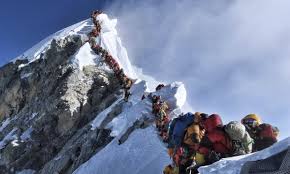
Congestion on climbing routes, especially during the narrow windows of favorable weather, has also become a pressing concern. These bottlenecks can lead to safety hazards and an increased environmental footprint.
Details of the New Action Plan (2025-2029)
Responding to a Supreme Court directive, the Nepalese government plans to introduce legal and policy frameworks that will control not only the number of climbers but also the timing of expeditions. This has been designed to match the limited climbing seasons and reduce overcrowding on popular mountain trails.
| Key Measures | Purpose |
|---|---|
| Climber Quotas | Limit total climbers issued permits to reduce congestion |
| Expedition Timing Regulations | Align climbs with safe weather to minimize hazards and foot traffic |
| Waste Management Teams | Deploy skilled mountaineers for regular waste and human remains collection |
| Inventory and Equipment Registration | Ensure all gear taken up is brought back to avoid abandonment |
| Biodegradable Flag Restrictions | Reduce non-degradable materials left on mountains |
| Drones & Ropeways Feasibility Studies | Innovate waste collection and prevent accumulation at base camps |
Waste Management and Responsible Climbing Practices
An essential part of the plan involves accountability for equipment and waste. Climbers must provide detailed lists of their gear at the outset and declare what they bring back on their return. Non-biodegradable items such as banners and prayer flags will only be allowed if carried away after use.
Moreover, supporting technologies like drones and ropeways for waste removal are being considered to provide efficient cleanup of areas above base camps where access is typically challenging.
Potential Changes at Everest Base Camp
Given increasing concerns, the possibility of relocating the Everest Base Camp is under review. This could mitigate environmental damage and improve management of the large influx of tourists and climbers passing through each season.
Challenges of High-Altitude Mountaineering
Climbing the Himalayas is no walk in the park. Beyond the environmental issues, the extreme conditions—known as the “death zone” above 25,000 feet—pose severe physiological challenges. Rapid breathing, cognitive difficulties, and risks of altitude sickness demand meticulous preparation and respect for the mountain’s power. Better regulation of climbers may indirectly improve safety by reducing traffic jams that can exacerbate these risks.
Impact on Tourism and Mountain Services
These regulations may reshape how adventure seekers plan their Himalayan journeys. Services such as taxis and transfers to trekking and climbing starting points will become even more crucial. Platforms like LocalsRide.com come into their own here, offering travelers the chance to book reliable and personalized transfers with transparency about vehicle types, driver credentials, and fare pricing. Being able to select the exact car and service helps adventurers coordinate their trips more smoothly as they navigate the new policies.
Summary of Key Points
- Nepal has introduced a five-year plan to limit the number of mountain climbers and manage climbing season timing.
- Waste reduction measures include mandatory equipment registration and biodegradable product rules.
- Concepts such as drone-assisted cleanup and ropeways for waste collection are under study.
- The action plan responds to environmental concerns and a Supreme Court ruling.
- Relocating Everest Base Camp is being considered to better manage tourism impact.
- Stricter controls may improve safety by easing overcrowding on the mountains.
- Advances affect logistics and services tied to mountain tourism, enhancing the importance of transparent transfer options.
Why Personal Experience Still Matters
Even with thorough regulations and honest reviews, nothing beats firsthand experience to truly appreciate the Himalayan challenge and the evolving mountain environment. On LocalsRide, travelers can hire a car and driver from verified providers offering competitive prices and a broad selection of vehicles, making the journey to and from these remote mountain gateways much easier. The platform’s clarity about fares and licenses adds to the convenience, helping adventurers plan with confidence.
Get the best offers LocalsRide.com.
Looking Ahead: What This Means for Global Travel
Globally, limiting climbers on Everest may have small direct impact due to the mountain’s remote, specialized nature. However, it signals a growing international awareness about sustainable adventure travel. LocalsRide stays tuned to such developments, ensuring travelers can smoothly book transfers that align with new requirements, making journeys to and from mountains like Everest as hassle-free and transparent as possible. Start planning your next adventure and secure your worldwide transfer with LocalsRide.
Final Thoughts
Protecting the Himalayas through regulated climbing permits and innovative waste management marks Nepal’s commitment to preserving these natural wonders for future generations. This balance of adventure and responsibility sets a new tone for mountain tourism. As travel logistics adapt, personalized, transparent services such as those offered by LocalsRide help ensure that every step of the journey—from airport to base camp—is managed with care and confidence. Whether it’s a private taxi, a seater transfer, or a limousine, travelers can book exact services at fair prices, reflecting the true spirit of modern, sustainable mountain exploration.