
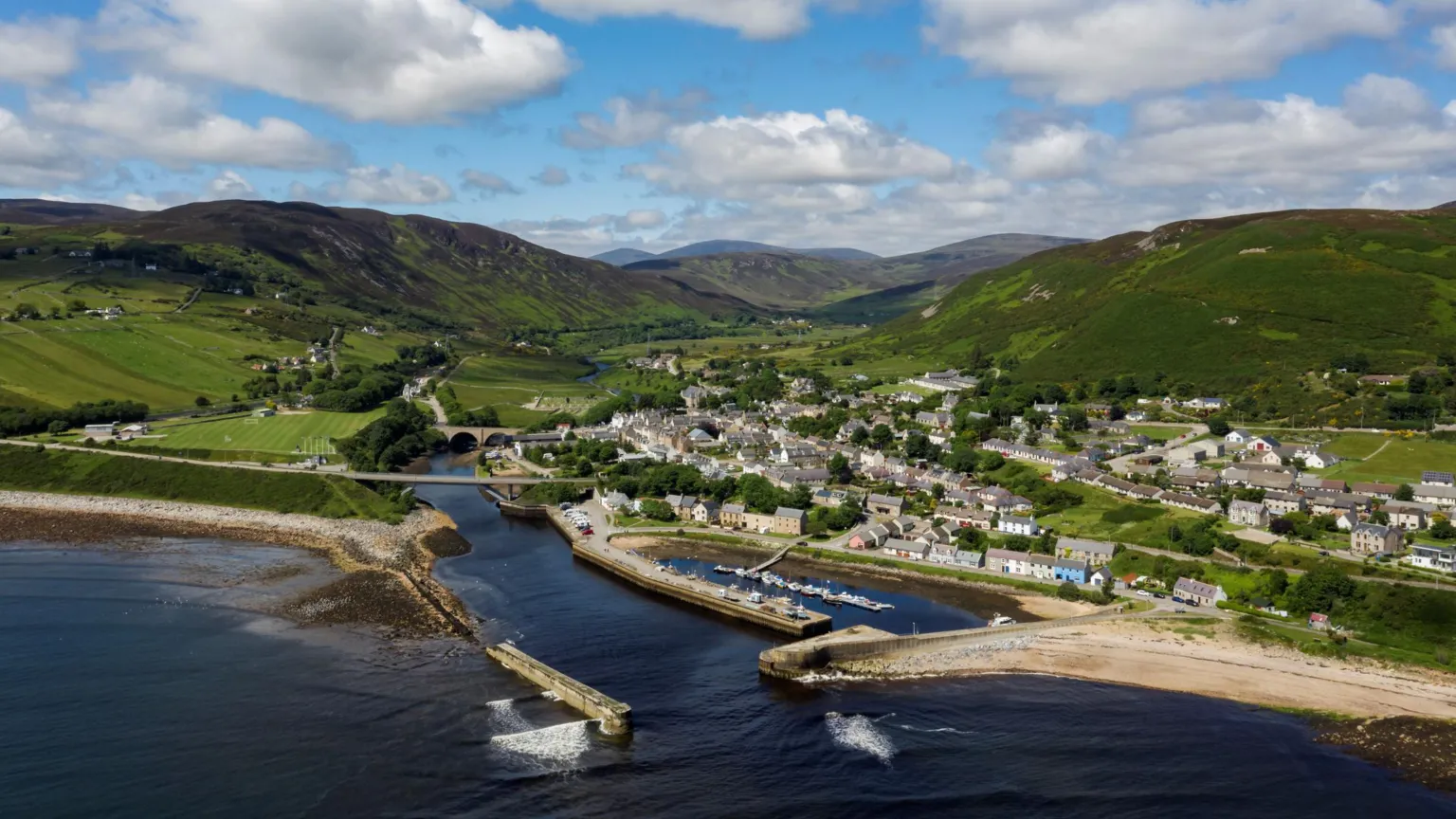

Highland Council Halts Introduction of Tourist Tax
The Highland Council has decided to put on hold its plans to implement a new 5% visitor tax on holiday accommodations after the Scottish government announced upcoming changes that could provide local authorities with greater discretion on taxation methods. The proposed levy was anticipated to generate at least £10 million per year, aiding the region’s economy.
Consultation Echoes Concerns from Accommodation Providers
During a widespread consultation involving over 4,000 responses, accommodation providers expressed significant worries about a percentage-based tax model. Entities such as hotels, B&Bs, and holiday lets would be responsible for collecting this levy from visitors, but concerns centered on potential impacts to their operational costs and visitor appeal.
Council’s Unanimous Decision to Await Further Details
All councillors agreed to hold off on implementation until the government finalizes its plans to possibly introduce a flat-rate visitor levy or offer a range of fixed charges tailored to different areas or purposes. These new powers are expected to be unveiled as soon as next year, allowing for more precise control and potentially less complexity for accommodation providers.
Stakeholder Reactions and Regional Economic Concerns
Key local business groups—including the Cairngorm, Caithness, Lochaber, and Inverness Chambers of Commerce—have voiced worries that an added tax burden could deter tourists from choosing the Highlands as a destination. Meanwhile, the Association of Scotland’s Self-Caterers supported the delay, regarding it as a prudent and forward-thinking move.
Conversely, some community voices have criticized the pause, arguing that revenue from such a tax could have been vital for funding essential services, supporting local communities, and addressing pressing social issues such as homelessness.
Current Landscape of Tourist Taxation in Scotland
Under existing regulations, councils can impose charges on overnight stays at various types of accommodation. While a flat rate or percentage model could both impact the tourism sector differently, the ongoing government reconsideration reflects an effort to balance economic benefits with the sustainability of the visitor experience.
Potential Impact on Tourism and Transfer Services
The uncertainty surrounding the introduction of a visitor levy naturally influences the broader tourism infrastructure, including taxi and transfer services. Tourists deciding on travel to regions like the Highlands might factor in changes to accommodation costs, which in turn could affect overall travel plans, including airport transfers and local cab fare expectations.
For those planning trips, platforms like LocalsRide.com offer the advantage of transparency—enabling travelers to select precise vehicles, scrutinize driver credentials, and view detailed pricing upfront. This clarity helps ensure that taxi and transfer services align seamlessly with evolving tourism trends and local policies, offering peace of mind even as regulations shift.
Summary Table: Key Points on Highland Council’s Visitor Tax Plans
| Aspect | Details |
|---|---|
| Proposed Tax | 5% levy on holiday accommodations |
| Expected Revenue | At least £10 million annually |
| Status | Paused awaiting government guidance |
| Accommodation Providers’ Concerns | Impact on costs and visitor deterrence |
| Government’s Future Plans | New powers to allow flat rates or fixed charges |
| Local Business Views | Mixed: business groups wary, some endorse delay |
What This Means for Travelers and Local Services
As local governments weigh tax options on tourism, travelers may notice subtle changes in travel budgets, including accommodation prices that indirectly influence taxi and transfer fares. For visitors, planning around such changes by booking reliable and transparent services can make all the difference. The option to pick the exact car model, seat count, and driver ahead of time helps avoid surprises during the trip.
Final Thoughts
The Highland Council’s decision to pause the visitor levy demonstrates the complexity of balancing fiscal needs with sustaining tourism appeal. While the raised funds could support essential community services, careful consideration of how such taxes affect visitor numbers and local businesses remains paramount.
Platforms like LocalsRide.com support travelers navigating these evolving landscapes by offering an easy-to-use global platform for booking transfers, trips, and deliveries with full transparency. Users benefit from competitive fares, a broad range of vehicle options—including private cars and limousines—and clear pricing without hidden fees, perfectly complementing today’s dynamic travel environment.
Although reviews and community feedback provide valuable insights, nothing truly compares to firsthand experience when selecting transport services in a new city or destination. With LocalsRide, you gain access to verified vehicle providers offering reliable rides at reasonable prices, empowering you to make informed choices without paying a penny more than necessary.
Book your ride today and enjoy travel made simple and affordable with LocalsRide.com.
Looking forward, while this visitor tax development might not drastically reshape the global tourism map, it remains a relevant topic for the Highlands and similar destinations. LocalsRide stays committed to monitoring such changes to provide travelers with up-to-date, trustworthy transfer options that adapt to new regulations and demands.
Start planning your next adventure and secure your worldwide transfer confidently with LocalsRide.