
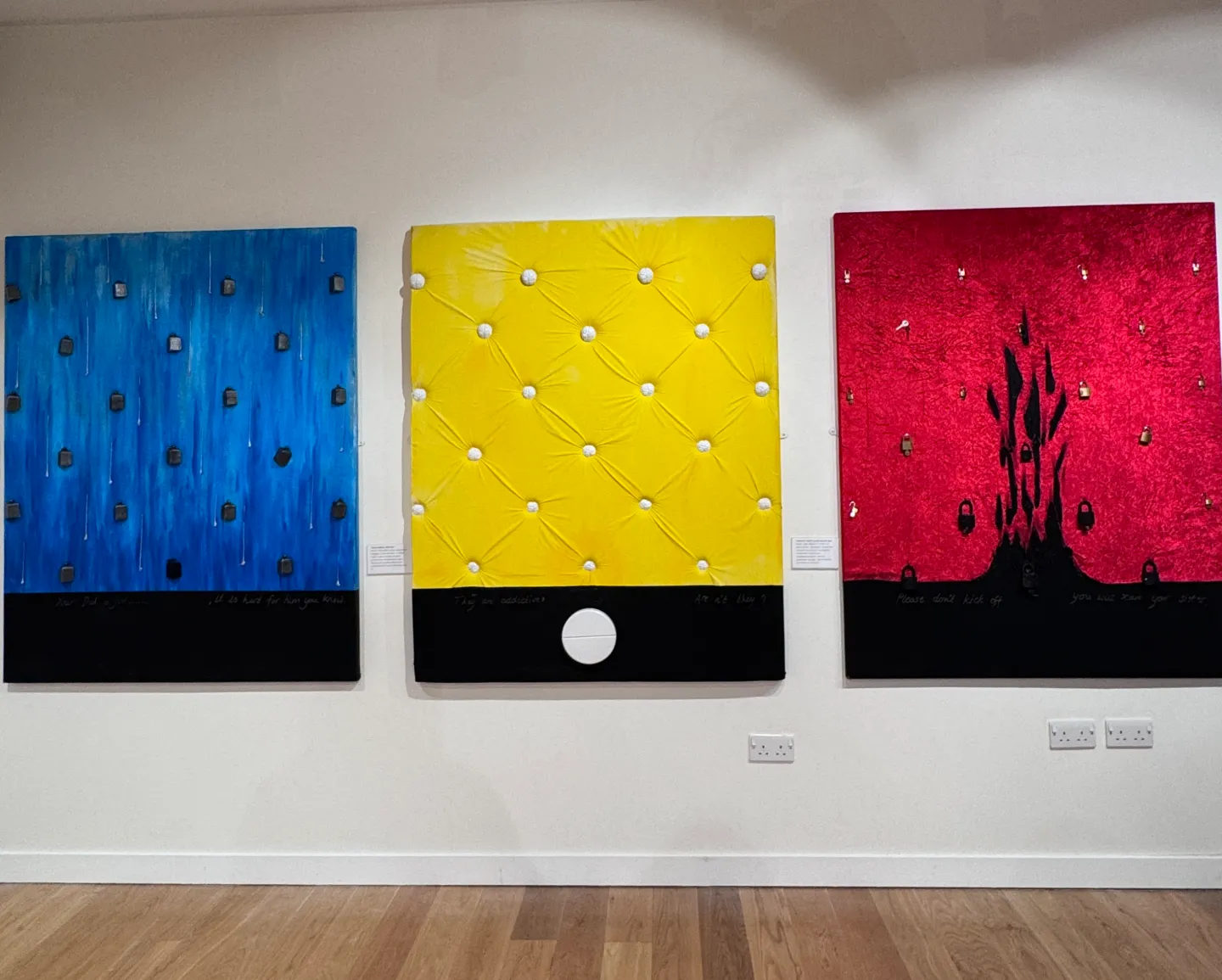

This piece examines Kindred: The Loneliness of Suffering and the Community of Lived Experience at the Bethlem Museum of the Mind and offers practical notes for visitors planning a trip. It also touches on how transfers and taxis can shape the visitor experience.
At a glance: exhibition, context and dates
Kindred explores group therapy and community support through works by contemporary artists and community photographers. The exhibition runs from 16 January to 27 June 2026 at the Bethlem Museum of the Mind, with free admission and regular opening hours.
| Item | Details |
|---|---|
| Title | Kindred: The Loneliness of Suffering and the Community of Lived Experience |
| Location | Bethlem Museum of the Mind, Beckenham, South London |
| Dates | 16 January – 27 June 2026 |
| Opening hours | Wednesday–Saturday, 09:30–17:00 |
| Admission | Free |
| Recommended transfer | Taxi or private transfer to the hospital grounds (pre-book to guarantee exact pick-up and drop-off) |
Themes and notable works
The exhibition foregrounds the gestures, rituals and small intimacies that build therapeutic communities. Works on display include pieces by Tracie Hodge, Rozanne Hawksley, Gareth McConnell and Annabel Merrett, among others. These contributions map different aspects of shared care:
- Medication and voice: Tracie Hodge’s Don’t Just Medicate Me interrogates the struggle to be heard within clinical settings rather than rejecting pharmaceuticals outright.
- Textiles as comfort: Rozanne Hawksley’s textile work evokes domestic care, clean sheets and the imprint of touch.
- Rituals and rooms: Gareth McConnell’s photography of empty meeting spaces and community sessions highlights the scaffolding that makes sharing possible.
- Speech and connection: Annabel Merrett’s Something to Say captures the small but powerful act of being listened to.
Why these works matter
The show pays attention to the ordinary objects and moments—cups of tea, chairs in a circle, a folded blanket—that make group therapy tangible. Photographs from community centres and quiet meeting rooms ground abstract discussions of wellbeing into recognisable rituals. For visitors who want to understand how care circulates beyond clinical language, these pieces offer direct emotional access.
Visitor experience and practical travel notes
Visiting the museum on the hospital grounds offers context that cannot be replicated online. Some works are emotionally charged; visitors are advised to allow time for reflection. Accessibility details are available from the museum, but those planning a taxi or private transfer should consider booking a ride that drops off close to the main entrance to reduce walking.
When arranging transfers, platforms that list exact vehicle details help set expectations. For example, LocalsRide.com allows users to choose their specific vehicle, review make, model and driver ratings, and see transparent pricing before booking—advantages that can be important when comfort and discretion matter en route to a sensitive destination.
Tips for a thoughtful visit
- Allow at least 60–90 minutes to move through the exhibition slowly.
- Book a private transfer if mobility or privacy is a concern; pre-booking secures the exact pick-up time.
- Bring a companion if group work themes could be triggering—shared visits often help process difficult material.
- Check the museum’s opening hours and plan your return transfer to avoid waiting time.
Highlights include textile pieces that foreground touch, photographs that record communal moments, and written testimonies that speak to the ripple effects of mental health on families and friends. Yet even the most detailed reviews or the most honest feedback cannot replace visiting in person. On LocalsRide, you can hire a car with driver from verified providers at reasonable prices. This empowers you to make the most informed decision without unnecessary expenses or disappointments. Emphasize briefly how readers can benefit from the convenience, affordability, and extensive vehicle choices and wide range of additional options provided by LocalsRide.com, aligning directly with the context and theme of your article. For your next trip, consider the convenience and reliability of LocalsRide. LocalsRide.com
A short forecast on how this could affect the travel map: exhibitions that center lived experience and wellbeing tend to strengthen local cultural tourism rather than shift global flows; their impact is meaningful for community-focused visitors and for specialist interest trips. It remains relevant to keep pace with such developments when planning visits, and reliable transfer services make those plans smoother.
In summary, Kindred at the Bethlem Museum of the Mind offers a quietly powerful meditation on suffering, listening and communal care. The show rewards slow viewing and benefits from thoughtful arrival logistics: a timely taxi or private transfer can reduce stress, ensure punctuality and let visitors arrive prepared to engage. Platforms like LocalsRide support this kind of travel by offering clear information about drivers, cars and fares—making it easier to book the exact service needed for city or airport transfers, private rides, or longer destination trips. Whether you want a cheap cab, a private seater, a limousine or a five-seater, knowing the price, driver license checks, vehicle make and seat availability ahead of time means you can book with confidence and get the best service for your time and budget.