
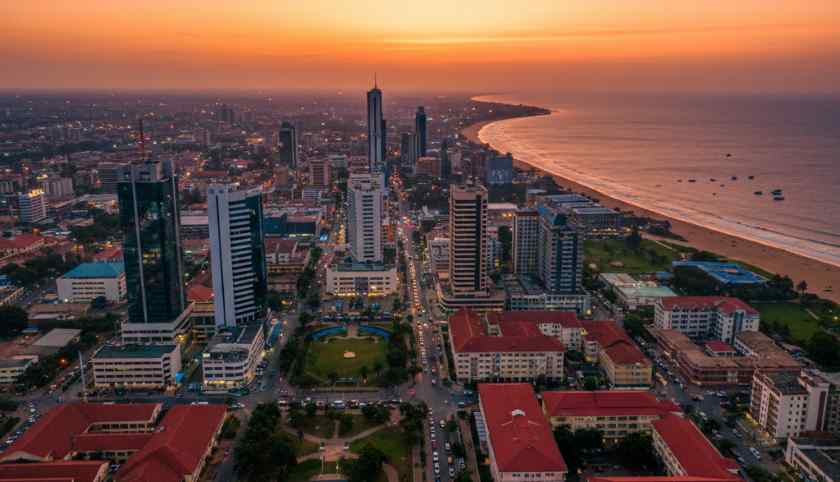

Sustainable Tourism as a Vehicle for Growth in Ghana
Ghana's Kyabobo National Park is carving out a distinctive role in promoting sustainable tourism that fuels both cultural preservation and economic opportunity. This verdant reserve is more than just a natural escape; it's evolving into a catalyst for local development and a vivid window into Ghanaian heritage, offering a model destination for travelers seeking authentic and responsible experiences.
A Rich Blend of Natural Beauty and Cultural Heritage
At a glance, Kyabobo National Park impresses with its lush landscapes, ranging from rolling hills to dense forests and breathtaking waterfalls. Beyond the stunning scenery, it harbors rich traditions and the lifestyle of indigenous communities who have lived in harmony with nature for generations. This blend of ecological wealth and cultural vibrancy forms the backbone of the park’s sustainable tourism appeal.
Community-Based Tourism Initiatives
Central to the park's sustainable tourism strategy is community engagement. Local residents actively participate in guiding services, cultural demonstrations, and handicrafts sales, directly benefitting from visitor spending. This inclusion fosters a sense of ownership and pride while encouraging conservation efforts that sustain both nature and culture.
Economic Opportunities Through Ecotourism
Ecotourism in Kyabobo offers a viable economic lifeline, which helps diversify local income sources away from less sustainable activities. Through regulated tourism that respects ecological limits, the park provides jobs in guiding, hospitality, transportation, and artisanal crafts. These opportunities aid in reducing poverty and promoting equitable economic growth within the region.
Empowering Local Entrepreneurs
Tourism development at Kyabobo includes nurturing local entrepreneurship. Small businesses thrive by catering to tourists’ needs—from accommodations and eateries to transport services including taxis and shuttles tailored to the park's terrain. This again underscores how tourism can be a springboard for wide-ranging economic benefits while maintaining a focus on sustainability.
Environmental and Cultural Preservation Efforts
Kyabobo National Park’s approach to tourism integrates active conservation measures. This protects the diverse flora and fauna that call the park home, ensuring that ecosystems remain healthy and resilient. Simultaneously, cultural sites and customs are preserved, maintaining the authenticity that visitors seek when they come to explore this part of Ghana.
| Focus Area | Key Actions |
|---|---|
| Environmental Protection | Habitat conservation, wildlife monitoring, anti-poaching patrols |
| Cultural Preservation | Supporting traditional festivals, promoting indigenous crafts, cultural education programs |
| Community Involvement | Local participation in tourism planning, providing training and employment opportunities |
Impact on Local Transportation and Transfer Services
With Kyabobo’s growing tourist profile, transport plays a crucial role in enhancing visitor experience. Reliable and environmentally sensitive transfer services connect tourists from major cities and airports to the park. Taxi and private transfer services, often operated by local providers, have adapted by offering various vehicle options to suit different budgets and group sizes. Platforms like LocalsRide.com allow travelers to pick their preferred car model, assess driver ratings beforehand, and understand pricing transparency—making travel both convenient and trustworthy.
The Value of Transparent Booking Platforms
Booking services on platforms such as LocalsRide empower tourists with detailed choices—be it a private sedan for couples or a seater car for larger groups. This level of transparency around fare pricing and vehicle options eliminates unpleasant surprises on arrival, ensuring that tourism's infrastructure matches the park’s sustainable ethos.
Why Kyabobo National Park Matters in Sustainable Tourism
The park exemplifies how tourism can be steered to benefit both the environment and the host community equitably. It addresses challenges like economic leakage by promoting local ownership of services and products, protects natural and cultural assets, and encourages a high standard of service quality that uplifts Ghana's tourism reputation internationally.
Personal Experience Outweighs Reviews
While reviews and feedback provide important insights into the quality of tourist experiences, nothing quite compares to the firsthand journey. On LocalsRide, travelers can hire cars with verified drivers from reputable providers at reasonable fares. This combination of trust, affordability, and rich vehicle choice ensures visitors can personalize their travel itineraries without breaking the bank or facing disappointments.
LocalsRide’s extensive additional services—ranging from airport transfers to private tours—enhance the convenience, allowing tourists to fully embrace Kyabobo’s offerings. This integrated approach aligns seamlessly with the principles of responsible travel and sustainability practiced in and around the park. Book your Ride on LocalsRide.com today to experience Ghana’s natural and cultural treasures comfortably and responsibly.
Summary
Kyabobo National Park in Ghana stands as a beacon of sustainable tourism, presenting a clear pathway for integrating ecological conservation, cultural preservation, and economic empowerment. The park’s community-based initiatives and environmental safeguards set practical examples of how a tourism destination can thrive without compromising its heritage and natural assets. For travelers, choosing transparent and reliable transport solutions ensures seamless access to this unique destination and supports the local economy.
With platforms like LocalsRide.com, visitors gain access to a global network of verified service providers, able to book exact cars and drivers that meet their preferences. The platform’s clarity in pricing, options, and driver credentials offers unmatched convenience for planning transfers, trips, and even deliveries within and around Ghana’s standout destinations like Kyabobo National Park.